
Yes, waterproof portable speakers are generally safe to keep inside your tent, even with moisture present. They are designed to handle water and often have features that prevent damage from humidity or accidental splashes, making them great companions for outdoor adventures.
Hey there, tech explorer! Max here from AffTechy.com, your go-to buddy for all things gadgety. You know, those little portable speakers can seriously crank up the fun. They make your camping trips, beach days, and even backyard hangouts so much better with your favorite tunes. But let’s be honest, picking out the right one can feel like deciphering a secret code sometimes, right?
We’ve all been there, staring at specs and wondering what all those numbers and fancy words actually mean for us. And when it comes to taking your speaker out into the wild, especially camping, a big question pops up: can your trusty sound-maker handle a little dampness inside your tent? We’re diving deep into the world of waterproof portable speakers and whether they’re truly tent-friendly.
This might seem like a small thing, but knowing your gear is safe means you can relax and enjoy your adventures more. We’ll explore what “waterproof” really means for these gadgets and how they hold up in the cozy confines of your tent. So, grab a comfy seat, and let’s break down this surprisingly important tech topic together.
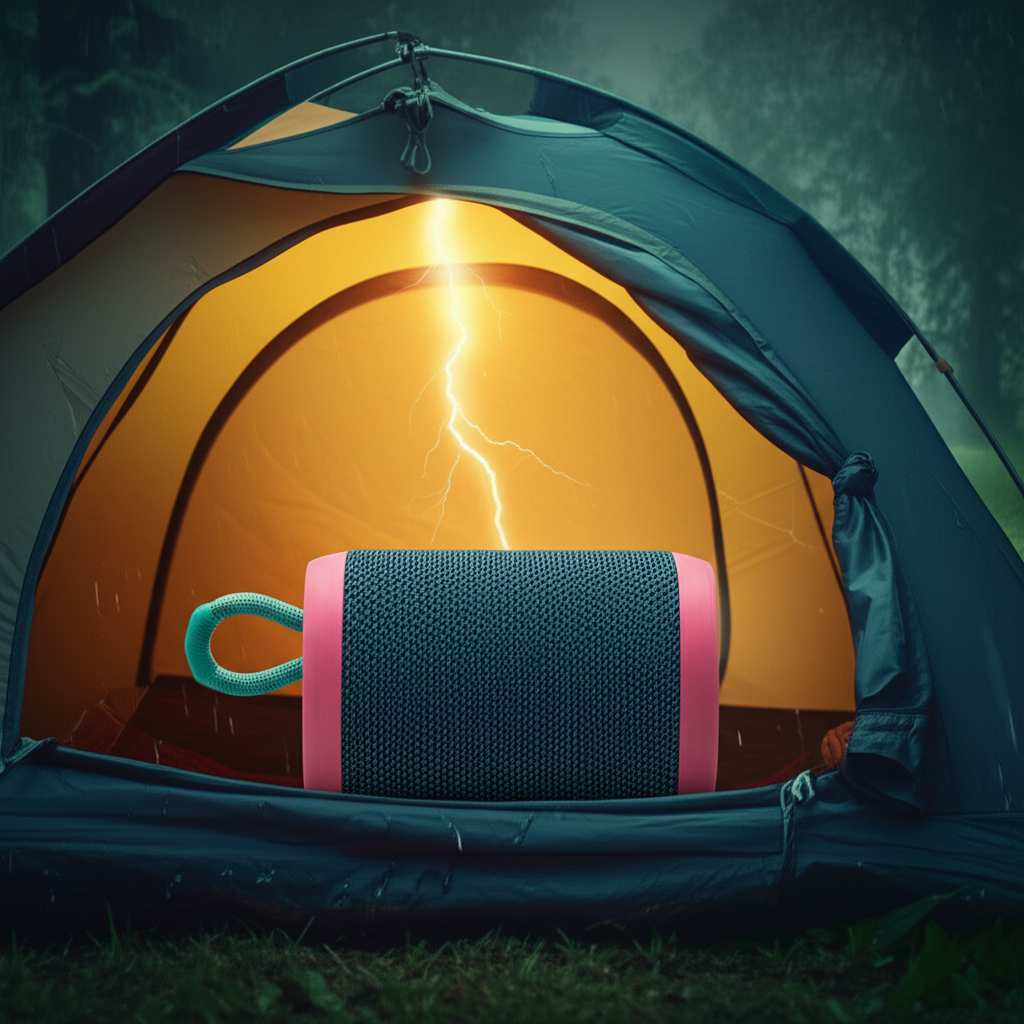
The Big Question: Can My Speaker Live in My Tent?
Imagine this: you’re camping. It’s raining a little, or maybe just really humid. You want to play some chill music in your tent after a long day of hiking. But then that nagging thought hits you: will my speaker get damaged? It’s a super common worry, and for good reason! We spend our hard-earned cash on these awesome devices, and we want them to last.
So, can you just toss that speaker in your tent and forget about it? The good news is, for most modern waterproof portable speakers, the answer is a resounding yes! These things are built tough, designed to handle a bit of a beating. They’re not just for poolside parties; they’re made for the great outdoors, which often means dealing with moisture.
What Does “Waterproof” Really Mean for Speakers?
This is where things can get a little confusing, but we’ll make it super simple. When a speaker says it’s “waterproof,” it usually means it has a specific Ingress Protection (IP) rating. Think of IP ratings like a secret handshake that tells you how well the speaker is protected against dust and water. The higher the numbers, the better the protection.
For example, an IPX7 rating is super common for portable speakers. This means the speaker is protected against immersion in water up to 1 meter (about 3 feet) for up to 30 minutes. That’s pretty darn good! It means if you accidentally drop it in a puddle or get caught in a downpour, it should be just fine.

Here’s a quick look at what those IP ratings mean:
| IP Rating | Dust Protection | Water Protection | What it Means for You |
|---|---|---|---|
| IPX4 | No specific protection | Resists splashes from any direction | Good for light rain or accidental splashes. Not for submersion. |
| IPX5 | No specific protection | Resists low-pressure water jets from any direction | Can handle more direct water spray, like from a hose. Still not for swimming with. |
| IPX6 | No specific protection | Resists high-pressure water jets from any direction | Very robust against water spray. Think strong rain or waves. |
| IPX7 | No specific protection | Can be immersed in water up to 1 meter for 30 minutes | Excellent for accidental drops in water or heavy rain. Great for outdoor use. |
| IPX8 | No specific protection | Can be immersed in water deeper than 1 meter for extended periods | The ultimate waterproof rating. Suitable for swimming or prolonged submersion. |
See? That IPX7 rating is your best friend for camping. It means even if your tent gets a little damp inside, or you accidentally spill your water bottle nearby, your speaker is usually in the clear. It’s built to survive those little accidents that happen when you’re out exploring.
Why Waterproof Speakers Are Tent-Ready
So, why exactly are these speakers so good for your tent? It’s all about their design and the materials used. Manufacturers know that people will be using these speakers in all sorts of environments, from the beach to the backyard, and yes, inside a tent. They’re made with sealed ports and durable casings that keep the delicate electronics safe from moisture.
Think about it: when you’re camping, even if it’s not raining, there’s often condensation. Your breath, the dew outside, and any damp gear can create a humid environment inside your tent. A speaker that’s not waterproof might struggle with this. But a waterproof one? It’s designed to shrug it off.
The seals on the speaker are key. They prevent water from getting into the charging ports, speaker drivers, and other sensitive parts. This is crucial because water and electronics are not a good mix. It can cause short circuits and permanent damage. But with a good IP rating, you don’t have to worry about that little bit of tent humidity.
The “Shocking Truth”: It’s All About the Rating!
Here’s the real scoop, the “shocking truth” if you will: the safety of your speaker in your tent isn’t about whether it’s waterproof in general, but how waterproof it is, based on its IP rating. A speaker with an IPX4 rating might be okay with a few light splashes, but an IPX7 or IPX8 speaker is a different beast altogether.
If your speaker boasts an IPX7 rating, you can pretty much relax. That means it can handle being submerged in water. So, the moisture inside your tent? That’s child’s play for it. You can keep it on the floor, on your sleeping bag, or on a small table without a second thought about condensation or minor spills.
It’s like having a trusty sidekick that’s ready for anything. You don’t need to baby it or constantly worry about keeping it dry. This freedom is what makes portable speakers so awesome for outdoor adventures. You can focus on enjoying your trip, not stressing about your gear.
Are There Any Downsides? A Little Reality Check
While waterproof speakers are fantastic for tents, it’s not all sunshine and rainbows. There are a few things to keep in mind to make sure you’re getting the most out of your speaker and keeping it in top shape. Over time, even the best seals can wear down, so taking care of your speaker is always a good idea.
One thing to remember is that “waterproof” doesn’t always mean “soundproof.” Some waterproof speakers might have slightly less impressive audio quality than their non-waterproof counterparts. This is because the materials and seals needed to keep water out can sometimes affect the sound vibrations. However, for most casual listeners, the difference is barely noticeable.
Also, while an IPX7 speaker can handle submersion, you probably don’t want to leave it sitting in a pool of water for hours on end. Think of it as built for survival, not for permanent aquatic living. A little bit of moisture is fine, but soaking it for days isn’t recommended.
How to Choose the Right Speaker for Your Tent Adventures
So, you’re convinced you need a waterproof speaker for your tent. Awesome! But how do you pick the perfect one? It’s easier than you think. Here are a few things to look for:
- Check the IP Rating: Aim for at least IPX5, but IPX7 is ideal for camping. This ensures it can handle splashes and even accidental dips.
- Battery Life: You don’t want your music to die halfway through your campfire stories. Look for speakers with long battery life, especially if you’re going for a multi-day trip.
- Sound Quality: While waterproof features are key, don’t forget about sound! Read reviews or listen to a few models if you can.
- Portability and Durability: Is it small enough to pack? Does it feel sturdy? Many waterproof speakers have rugged designs that are perfect for outdoor use.
- Connectivity: Bluetooth is standard now, but check the range. You don’t want your phone to be right next to the speaker all the time.
Let’s look at a quick comparison of some popular speaker types and their suitability for tent life.
| Speaker Type | Typical IP Rating | Best For Tent Use? | Why? |
|---|---|---|---|
| Basic Bluetooth Speaker | Often IPX4 or no rating | Maybe, with caution | Good for dry conditions, but not ideal for moisture. |
| Rugged Waterproof Speaker | Usually IPX7 or IPX6 | Yes, highly recommended! | Built to withstand splashes, rain, and humidity. Perfect for camping. |
| Smart Speaker (e.g., Echo Dot) | Typically not rated for water | No | Electronics are exposed and not protected from moisture. |
| Floating Waterproof Speaker | Often IPX7 or IPX8 | Yes, excellent! | Designed for water, so tent moisture is no problem. Plus, they float! |
As you can see, the “Rugged Waterproof Speaker” and “Floating Waterproof Speaker” categories are your best bet for tent adventures. They are specifically engineered to handle the elements, making them worry-free companions for your outdoor escapades.
Real-World Scenarios: Speaker in the Tent
Let’s paint a picture. You’ve just finished setting up your tent. You’re feeling pretty good about yourself. You pull out your trusty waterproof speaker, which has an IPX7 rating. You place it on your sleeping bag. It starts to rain lightly outside, and a bit of condensation forms on the tent walls.
No problem! Your speaker is happy. You connect your phone via Bluetooth and start playing some mellow tunes. Later, you’re having a snack, and you accidentally knock over your water bottle. A little water splashes onto the speaker. You quickly wipe it off.
Your speaker is still perfectly fine. The water just rolled off its durable, waterproof exterior. You continue enjoying your music, feeling confident that your speaker is built for exactly these kinds of situations. This is the beauty of having a speaker designed for the outdoors. It lets you focus on the experience, not on constantly protecting your gadgets.
Another scenario: you’re at a campsite, and the morning dew is heavy. You open your tent flap, and a cloud of moisture hits your speaker. Again, if it’s properly waterproofed (IPX7 or higher), it’s not going to be an issue. The water beads up and rolls off, and your music continues to play. It’s like having a tiny, waterproof music fortress in your tent.
Maintaining Your Waterproof Speaker for Longevity
Even though these speakers are tough, a little TLC goes a long way. Here are some simple tips to keep your waterproof speaker in tip-top shape, especially after a camping trip:
- Rinse After Saltwater or Chlorine: If you’ve used your speaker near the ocean or a pool, rinse it with fresh water afterwards. Salt and chlorine can be corrosive over time.
- Dry Thoroughly: After any exposure to water, wipe down your speaker with a soft, dry cloth. Make sure any ports or charging areas are completely dry before plugging it in.
- Check Seals Regularly: Periodically inspect the rubber seals around ports and buttons. If you notice any cracks or damage, it might be time to consider a replacement or repair.
- Avoid Extreme Heat: While they are waterproof, most speakers aren’t designed for extreme heat. Don’t leave them baking in direct sunlight for extended periods, especially inside a hot tent.
- Use the Right Charger: Always use the charging cable that came with your speaker or a compatible one.
These simple steps will help ensure your speaker keeps delivering great sound on all your future adventures. It’s all about treating your gear right so it can keep treating you to awesome tunes.
The Tech Behind the Water Resistance
Ever wondered how they actually make these speakers waterproof? It’s a combination of clever design and materials science. Most waterproof speakers use a combination of:
- Sealed Casings: The outer shell is designed to be seamless or have very tight seals to prevent water ingress.
- Water-Repellent Membranes: Some speakers have special membranes over the speaker drivers that allow sound to pass through but block water.
- Gaskets and O-rings: These rubber or silicone seals are used around buttons, ports, and seams to create a watertight barrier.
- Internal Coatings: Some internal components might have special coatings to protect them from moisture damage even if a tiny bit of water gets in.
For a deeper dive into how water resistance is achieved in electronics, you can check out resources from organizations like the International Electrotechnical Commission (IEC), which sets the standards for IP ratings. Reading up on how companies like Sony or JBL engineer their waterproof products can also be fascinating! For example, CNET often does great deep dives into product engineering.
Are There Any “Non-Waterproof” Speakers That Are Still Tent-Safe?
This is a good question! What if you already have a speaker that isn’t officially waterproof? Can you still bring it camping? Yes, but you need to be extra careful.
If your speaker has no IP rating or a very low one (like IPX1 or IPX2, which only protect against dripping water), you’ll need to keep it in a dry spot inside your tent. Think about placing it on a shelf or in a dry bag. You’ll also want to be mindful of humidity. If your tent is prone to condensation, you might want to consider a small dehumidifier bag or just be extra diligent about airing out your tent.
Here’s a quick comparison for non-waterproof options:
| Speaker Type | Water Resistance | Tent Safety | Best Practice |
|---|---|---|---|
| Standard Portable Speaker | Minimal to none | Low, requires protection | Keep in a dry bag or sealed container. Avoid humid areas. |
| Some “Splash-Proof” Speakers | May have IPX4 | Moderate, with care | Protect from direct splashes and heavy moisture. Good for dry-ish tents. |
The key here is to treat these speakers like you would your phone in a humid environment. Keep them away from direct moisture and monitor the tent’s humidity levels.
Frequently Asked Questions (FAQ)
Q1: Can I leave my waterproof speaker in my tent overnight?
A1: Absolutely! As long as it’s a speaker with a decent IP rating (like IPX7), leaving it in your tent overnight, even if it’s humid or slightly damp, should be perfectly fine. They are designed for such conditions.
Q2: What if it rains heavily and my tent leaks a little?
A2: If your speaker has an IPX7 rating, a little bit of leakage into the tent shouldn’t be a problem. It’s designed to handle submersion in water for a short period, so a small leak is well within its capabilities.
Q3: Should I put my speaker in a plastic bag inside the tent?
A3: If your speaker is rated IPX7 or higher, you generally don’t need to. It’s already designed to be waterproof. Putting it in a bag might even muffle the sound! However, if your speaker has a lower rating, a plastic bag is a good idea for extra protection.
Q4: Does humidity inside a tent affect waterproof speakers?
A4: For speakers with high IP ratings (IPX7 and above), typical tent humidity is not an issue. The seals are robust enough to prevent moisture from reaching the internal components.
Q5: Can I charge my waterproof speaker inside a damp tent?
A5: It’s always best to ensure the charging port and the charger itself are completely dry before plugging anything in. While the speaker is waterproof, charging involves electrical connections, so dryness is important for safety and to prevent damage to the charging port.
Q6: How do I clean my waterproof speaker after camping?
A6: After camping, gently wipe your speaker with a damp cloth to remove any dirt or dust. If you used it near saltwater, rinse it with fresh water and then dry it thoroughly with a soft cloth. Make sure all ports are dry before storing or charging.
Q7: Are there any waterproof speakers that are NOT safe for tents?
A7: Speakers with very low IP ratings, like IPX4 (splash-proof), might not be ideal for consistently humid tent environments if there’s a risk of direct water exposure. Always check the specific IP rating and understand its limitations.
Ready to Amplify Your Adventures!
So, there you have it! The “shocking truth” is that your waterproof portable speaker is not only safe but practically designed for life inside your tent. With the right IP rating, you can stop worrying about moisture and start focusing on enjoying your music, podcasts, or audiobooks wherever you roam.
Remember, checking that IP rating is your golden ticket to worry-free listening. An IPX7 rating is your best friend for camping, ensuring your speaker can handle splashes, humidity, and even accidental dips. And with a little bit of care, your speaker will keep the good times rolling for many adventures to come.
Now go forth and explore, armed with the knowledge that your soundtrack is safe and sound. Go enjoy amazing sound and make every moment louder and better!


