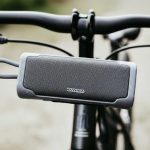
Yes, dustproof and shockproof speakers can be a game-changer for cycling! They protect your music from bumps, drops, and even the elements, making your rides way more enjoyable and your gear last longer.
Hey there, fellow adventurers and music lovers! Max here from AffTechy.com, ready to dive into a question that’s probably popped into your head if you’ve ever enjoyed a tune on two wheels: do we really need those tough, rugged speakers for cycling?
It’s easy to get lost in all the tech jargon, right? You see “dustproof” and “shockproof” and wonder if it’s just fancy marketing or something you actually need. I get it! We just want to enjoy our playlists on the go without a headache.
Well, grab your helmet, because we’re about to clear the air and find out if these special speakers are worth the buzz. Let’s break it down step by step and see what makes them a cyclist’s best friend.
Let’s Talk About Sound on the Go
Music can totally transform a bike ride. It can make those tough hills feel easier or turn a casual cruise into a party on wheels. But let’s be honest, our bikes can be a bit rough on our gear.

Think about it: you hit a pothole, your bike shakes, maybe you even take a little tumble. Your regular speaker might not survive that. And what about a sudden rain shower or just a dusty trail? Your music source needs to be as tough as you are!
That’s where those special “dustproof” and “shockproof” speakers come in. They’re built with us cyclists in mind. They promise to keep the tunes flowing, no matter what the road throws at them.
What Does “Dustproof” and “Shockproof” Actually Mean?
Okay, let’s unpack these terms so you know exactly what you’re getting. It’s not as complicated as it sounds, I promise!
Dustproof: This means the speaker is sealed up tight. No dust or dirt can get inside and mess with the delicate parts. Think of it like a little fortress for your sound. This is super important on trails or even just city streets where dust is everywhere.
Shockproof: This means the speaker is designed to handle bumps and drops. It usually has a tough outer casing or internal padding to absorb impact. So, if your bike rattles a bit too much or you accidentally drop it, your speaker should be okay.

These features are often measured by something called an IP rating. You might see something like “IP67” on a speaker. The first number (6 in this case) tells you about dust protection, and the second number (7) tells you about water protection. A higher number is generally better!
Why Cyclists Should Care About These Features
So, why are these features specifically a big deal for us cyclists? It all comes down to the unique environment we ride in.
The Rumble and Tumble: Cycling isn’t a smooth, gentle activity. Your bike vibrates constantly. Rough roads, gravel paths, and even speed bumps can shake your speaker around. A shockproof speaker can handle this constant jiggling much better than a regular one.
The Great Outdoors: We ride in all sorts of weather and on all kinds of terrains. Dust is a constant companion on dirt trails. Rain can sneak up on you. Mud can splatter. A speaker that can’t handle these things is a speaker that will likely stop working when you need it most.
Accidents Happen: Let’s face it, we all have those moments. A quick stop might turn into a tip-over. A sudden braking maneuver could send your bag (and speaker) flying. A shockproof design gives you peace of mind knowing your speaker can take a hit.
Real-Life Scenarios: When Toughness Saves the Day
Let me paint a picture for you. Imagine you’re on a fantastic mountain bike trail, surrounded by nature, with your favorite upbeat playlist pumping. Suddenly, you hit a big root, and your bike jolts!
If you have a regular speaker, the vibrations might cut out the sound or, worse, damage the internal components. But with a shockproof speaker, it’s built to absorb that jolt. The music keeps playing, and you can focus on staying upright.
Or, picture this: you’re out for a long ride, and dark clouds roll in. A light shower turns into a steady drizzle. If your speaker isn’t water-resistant, you’re scrambling to protect it, and your music session is over. A dustproof and water-resistant speaker, however, just keeps doing its job, letting you enjoy the ride, rain or shine.
Let’s Talk About Durability and Longevity
Investing in a dustproof and shockproof speaker isn’t just about immediate enjoyment; it’s about the long haul. These speakers are built to last.
Think of it like buying a sturdy pair of hiking boots versus flimsy sneakers. The boots might cost a bit more upfront, but they’ll handle rough terrain and last for years. The same applies to speakers.
A rugged speaker can withstand the wear and tear of frequent use on your bike. This means you won’t have to replace it as often, saving you money in the long run. Plus, knowing your gear is protected lets you be a bit more carefree and enjoy your cycling adventures to the fullest.
Key Features to Look For in a Cycling Speaker
When you’re on the hunt for the perfect speaker for your bike, keep an eye out for these important features. They’ll help you make the best choice.
- IP Rating: Look for at least an IPX5 for water resistance (protects against low-pressure water jets) and good dust protection. IP67 is even better, offering full dust protection and submersion in water.
- Shock Resistance: Check the product description for mentions of shockproof design, rugged casing, or drop-test ratings.
- Mounting Options: How will you attach it to your bike? Some speakers have carabiner clips, straps, or mounts designed for handlebars or backpacks.
- Battery Life: You don’t want your music dying halfway through a long ride. Aim for at least 8-10 hours of playback.
- Sound Quality: Even tough speakers should sound good! Read reviews to see if the audio is clear and loud enough for your preference.
- Connectivity: Bluetooth is standard, but check the version (e.g., Bluetooth 5.0 or higher) for a stable connection and good range.
Comparing Speaker Durability: A Quick Look
Let’s see how different types of speakers stack up when it comes to surviving the cycling life. This table gives you a quick idea of what to expect.
| Speaker Type | Dust Protection | Shock Resistance | Typical Use Case | Durability Rating |
|---|---|---|---|---|
| Standard Portable Speaker | Low (basic enclosure) | Low (prone to damage from drops) | Indoor use, picnics | ⭐ (Poor) |
| Water-Resistant Speaker (e.g., IPX4) | Moderate (splash proof) | Moderate (some internal dampening) | Beach, poolside, light rain | ⭐⭐ (Fair) |
| Dustproof & Shockproof Speaker (e.g., IP67) | High (fully sealed) | High (robust casing, impact protection) | Outdoor adventures, cycling, hiking | ⭐⭐⭐⭐⭐ (Excellent) |
As you can see, a speaker specifically designed to be dustproof and shockproof, often with a high IP rating like IP67, offers the best protection for cycling. While a standard speaker might work for a quick spin on a smooth path, it won’t stand up to the demands of real cycling adventures.
Ease of Use: Does Tough Mean Complicated?
One of the best parts about modern rugged speakers is that they are incredibly easy to use. Tough doesn’t mean complicated!
Most connect wirelessly via Bluetooth to your smartphone or other device. You pair them once, and after that, they usually connect automatically when you turn them on. It’s as simple as tapping a button!
Controls for play, pause, volume, and skipping tracks are typically right on the speaker itself. Many even have voice assistant integration, so you can ask for your music without taking your hands off the handlebars. It’s all designed to be user-friendly, even with gloves on.
Battery Life: Powering Your Rides
Nothing kills the vibe faster than your speaker dying mid-ride. That’s why battery life is a huge factor, especially for longer cycling trips.
Rugged speakers are often designed to be power-efficient. They also tend to have decent-sized batteries to keep the music going for hours. You’ll find many models offering anywhere from 8 to 20 hours of playtime on a single charge.
This means you can usually get through a full day of riding or even a weekend camping trip without needing to find a power outlet. Always check the manufacturer’s specifications for the estimated battery life, as it can vary depending on volume and usage.
For instance, some popular rugged speakers boast around 15 hours of playback, which is fantastic for extended adventures. It’s a good idea to charge it fully before you head out, just to be safe!
Sound Quality: Can Rugged Still Sound Good?
This is a common question: if a speaker is built tough, does it sacrifice sound quality? The good news is, not usually anymore!
Manufacturers have gotten really good at balancing durability with audio performance. Many dustproof and shockproof speakers deliver surprisingly rich sound, clear highs, and even decent bass. They might not rival audiophile-grade home systems, but for their size and rugged design, they sound impressive.
When choosing, look for reviews that specifically mention sound quality. Some speakers are tuned for outdoor listening, meaning they can produce clear sound even in noisy environments. You can find excellent options that are both tough and musically satisfying.
Mounting Your Speaker: Staying Secure
How you attach your speaker to your bike is crucial. You don’t want it bouncing around or falling off!
Many rugged speakers come with built-in carabiner clips. These are great for clipping onto backpack straps, belt loops, or even specific mounting points on your bike or handlebars. Some might include Velcro straps or even dedicated handlebar mounts.
Consider where you’ll want to place it. Some cyclists prefer it on the handlebars for easy access, while others like it attached to their backpack or frame bag for a more balanced sound. A secure mounting system is key to preventing it from becoming a projectile during a bumpy ride.
Cost vs. Value: Are They Worth the Splurge?
Okay, let’s talk money. Dustproof and shockproof speakers can sometimes cost a bit more than their less-rugged counterparts. But is the extra cost worth it for a cyclist?
Absolutely, I’d say yes! Think about the value you get:
- Longevity: A durable speaker will last much longer, saving you money on replacements.
- Reliability: You can count on it to work when you need it, no matter the conditions.
- Peace of Mind: Less worry about accidental drops or weather damage means more focus on enjoying your ride.
- Better Experience: Consistent music playback enhances your cycling enjoyment.
For a cyclist, the investment in a rugged speaker is an investment in a more enjoyable and reliable cycling experience. It’s about getting gear that can keep up with your adventures.
Popular Brands and Models to Consider
While I can’t give specific product recommendations that might become outdated, I can point you to some types of speakers and brands known for their durability. Brands like JBL, Ultimate Ears (UE), and Bose often have models that fit the bill.
Look for their “rugged,” “outdoor,” or “waterproof” lines. For example, JBL’s Charge or Flip series, or UE’s Boom and Megaboom speakers, are frequently praised for their robust construction and good sound quality. Always check the latest reviews and specifications for the most current models.
A quick search on tech review sites like CNET or TechRadar can also give you up-to-date comparisons and recommendations for the best rugged speakers available right now.
Maintaining Your Rugged Speaker
Even the toughest speakers need a little TLC to keep them performing at their best. Here are some simple tips:
- Clean Regularly: After a dusty ride, gently wipe down the exterior with a dry or slightly damp cloth. For ports, use a soft brush or compressed air to remove debris.
- Check Seals: If your speaker has a waterproof cover for charging ports, ensure it’s closed tightly after charging to maintain its protection.
- Avoid Extreme Heat: While they are tough, prolonged exposure to extreme heat (like leaving them in a hot car on a summer day) can still affect battery life and components.
- Charge Properly: Use the recommended charging cable and avoid charging if the ports are wet or dirty.
Proper care ensures your speaker stays dustproof, shockproof, and ready for your next adventure.
Common Questions About Cycling Speakers
Let’s answer some of the questions you might still have about speakers for your bike.
Are all Bluetooth speakers waterproof?
No, definitely not! Many standard Bluetooth speakers are not designed to handle water or dust at all. Always check the product’s specifications for an IP rating or explicit mention of water and dust resistance.
Can I just use a regular speaker and put it in a protective case?
You can, but it’s not ideal. A dedicated rugged speaker is built from the ground up to handle impacts and elements. A case might protect against a light scratch, but it won’t offer the same level of shock absorption or guaranteed dust sealing as a speaker designed for it.
How loud do cycling speakers need to be?
This depends on your riding environment. For quiet paths, a moderately loud speaker is fine. On busy roads or trails with wind noise, you’ll want something that can produce a good volume without distorting, so you can still hear your music clearly.
Is it safe to listen to music while cycling?
This is a really important point! While music can enhance your ride, safety comes first. It’s crucial to be aware of your surroundings. Many cyclists use only one earbud, keep the volume low, or opt for speakers that allow ambient sound to pass through. Always follow local laws and ride responsibly.
What’s the difference between waterproof and water-resistant?
Water-resistant means it can handle splashes or light rain. Waterproof means it can be submerged in water for a period, usually up to a certain depth. For cycling, water-resistant (like IPX5) is often enough, but waterproof (like IPX7) offers extra peace of mind against heavy downpours.
Can I mount a speaker on my helmet?
While some very small bone-conduction headphones can be mounted on helmets, larger speakers are generally not recommended for helmet mounting due to weight, balance, and safety concerns in case of a fall. Handlebars, frames, or backpacks are safer and more practical options.
What if my speaker gets really dirty?
If your speaker gets caked in mud or dust, don’t panic! For most dustproof and water-resistant speakers, a gentle rinse under cool running water (making sure any port covers are sealed!) followed by wiping it down with a soft cloth should do the trick. Always consult the manufacturer’s cleaning instructions.
The Shocking Truth: Are They Necessary?
So, to circle back to our big question: are dustproof and shockproof speakers necessary for cycling? The “shocking truth” is that while you can cycle without one, you’re missing out on a lot of benefits.
If you ride on varied terrain, in different weather conditions, or just want your gear to last, then yes, they are highly recommended. They aren’t just a luxury; they are a smart investment for any cyclist who enjoys bringing their music along for the ride.
They protect your investment, ensure your music keeps playing through bumps and splashes, and ultimately make your cycling experience more enjoyable and worry-free. It’s about having gear that can keep up with your passion.
Now go forth and explore, with a soundtrack that’s as adventurous as you are! Happy cycling and happy listening!