
For cyclists, dustproof and shockproof speakers aren’t just a nice-to-have; they’re often crucial for reliable sound on rough rides. They protect your music from bumps, dirt, and weather, ensuring your soundtrack keeps up with your adventure.
Hey there, tech explorers! Ever been out on a bike ride, feeling the wind in your hair, and wishing you had your favorite tunes with you? Music can really make a ride feel epic, right? But then you start thinking about your gear. You see all these fancy terms like “dustproof” and “shockproof” for speakers, and your brain goes, “Whoa, what does that even mean for me and my bike?” It can get a little confusing, I know. But don’t sweat it! That’s exactly why I’m here. We’re going to break down exactly why those tough-sounding speakers might be your new best friend on two wheels. Let’s make this tech stuff super simple and figure out if these rugged speakers are a must-have for your cycling adventures.
Why Your Bike Rides Need Tough Speakers
Imagine this: you’re cruising down a bumpy trail, the sun is shining, and your playlist is pumping. Suddenly, a jarring bump sends a shockwave through your handlebars. If your speaker isn’t built tough, that could be the end of your music. Or maybe you’re riding on a dusty gravel road, and the fine particles are kicking up everywhere. Those tiny bits can sneak into regular electronics and cause real damage.
This is where speakers designed for the outdoors really shine. They’re made to handle the kind of rough and tumble life that comes with cycling. It’s not just about loud music; it’s about making sure your sound system can actually survive your ride and keep playing without a hitch. We want music that keeps up, not something that quits when the going gets tough.
What “Dustproof” and “Shockproof” Actually Mean
Let’s demystify these terms. When a speaker is called “dustproof,” it means it’s sealed up really well. Think of it like a superhero suit for electronics! This seal prevents dust, dirt, and even sand from getting inside and messing with the delicate parts. For cyclists, this is a big deal, especially if you ride on dirt paths or trails.
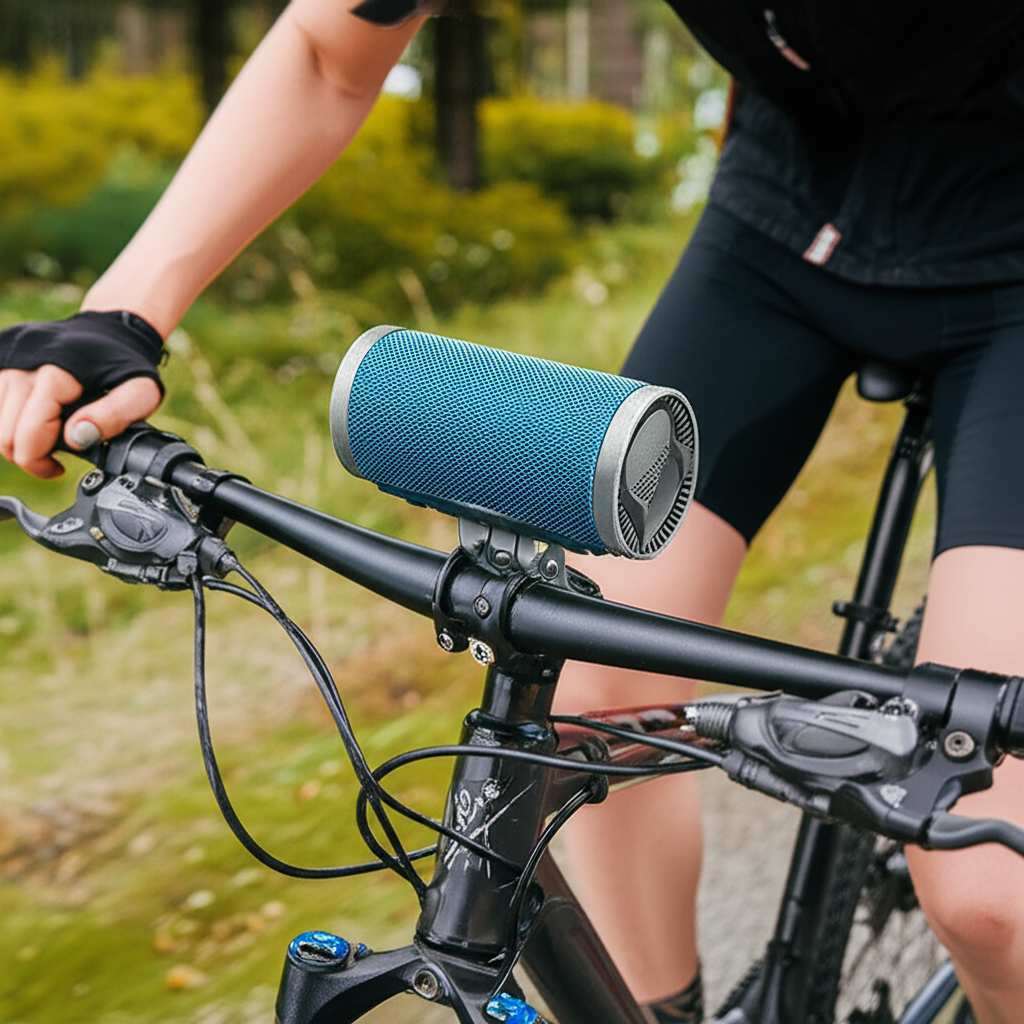
“Shockproof” means the speaker is built to withstand drops and impacts. It often has a rugged casing and internal padding that absorbs vibrations and jolts. So, if your bike takes a tumble, or if you accidentally drop the speaker while packing up, it’s much more likely to survive and keep playing your tunes. It’s all about making sure your gear can handle a few bumps and bruises along the way.
Is It Really Necessary for Cycling? Let’s Dive In!
So, the big question: do you need these super-tough speakers for your cycling trips? The honest answer is, it depends on how and where you ride. If you’re just cruising on smooth city streets and your speaker stays safely tucked away in a bag, maybe not. But if you’re hitting gravel roads, mountain bike trails, or just want peace of mind that your speaker can handle a bit of the unexpected, then yes, they become pretty crucial.
Think about it: your bike is exposed to the elements. You’ve got wind, potential rain, dust flying everywhere, and vibrations from the road. A speaker that can handle all that is going to last a lot longer and perform better. It’s like choosing the right tires for your bike – you pick what suits your adventure.
Understanding the “IP” Rating: Your Speaker’s Toughness Score
You’ll often see speakers with something called an “IP rating.” This is super helpful! It’s a two-digit number, like IP67. The first digit tells you about protection against solids (like dust), and the second digit tells you about protection against liquids (like water).
First Digit (Solids):
0: No protection
1: Protected against large objects (like hands)
2: Protected against small objects (like fingers)
3: Protected against tools
4: Protected against wires
5: Dust protected (limited ingress, no harmful deposit)
6: Dust tight (no ingress of dust)
Second Digit (Liquids):
0: No protection
1: Protected against condensation
2: Protected against spraying water
3: Protected against splashing water
4: Protected against splashes from any direction
5: Protected against water jets
6: Protected against strong water jets
7: Protected against immersion up to 1 meter for 30 minutes
8: Protected against continuous immersion (under conditions specified by manufacturer)
For cyclists, an IP rating of IP55 or higher is usually a good target. This means it’s dust protected (IP5) and can handle water jets (IP5). If you might encounter rain, aiming for IPX7 (where the ‘X’ means it’s not specifically rated for dust but is waterproof) or even IP67 (dust-tight and waterproof) is even better!
The Perks of Rugged Speakers for Your Rides
So, what are the actual benefits of using these tough speakers when you’re cycling? Let’s break it down.
Durability: This is the big one. They’re built to last. You won’t have to baby them.
Reliability: They keep playing, even on rough terrain. No worrying about skips or stops due to vibrations.
Weather Resistance: Caught in a little rain shower? No problem for a water-resistant speaker.
Peace of Mind: You can focus on your ride, not on protecting your speaker.
Better Sound Quality Outdoors: Many are designed to project sound well in open environments.
How to Mount Your Speaker for the Best Experience
Okay, so you’ve got a rugged speaker. Now, where do you put it on your bike? There are a few popular ways, and each has its pros and cons.
Mounting Options:
Handlebar Mounts:
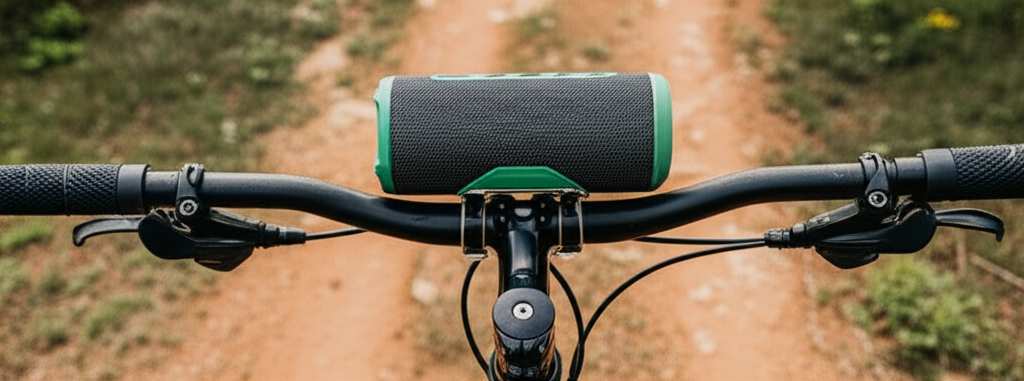
This is probably the most common spot. You can get special clamps or straps to attach speakers securely to your handlebars.
Pros: Easy access to controls, good sound projection towards you.
Cons: Can sometimes make handlebars feel cluttered.
Frame Mounts:
Some speakers can be mounted onto the bike frame, often near the water bottle cage.
Pros: Keeps handlebars clear, can be more stable.
Cons: Sound might be a bit more muffled depending on placement.
Backpack/Bag Clips:
If your speaker is small and light, you might clip it to a backpack strap or a bike bag.
Pros: Very portable, easy to remove.
Cons: Sound might not be as loud or clear, speaker could get knocked around.
When choosing a mount, make sure it’s secure. You don’t want your speaker flying off mid-ride! Look for mounts that are specifically designed for the size and shape of your speaker.
Comparing Some Popular Rugged Speaker Features
Not all rugged speakers are created equal. Here’s a look at some features you’ll often find and why they matter for cyclists.
Key Features to Look For:
Battery Life: How long does it play on a single charge? For long rides, you’ll want something that lasts.
Sound Quality: Does it sound good? Look for clear highs and decent bass, even at higher volumes.
Connectivity: Bluetooth is standard. How stable is the connection? Some offer multi-device pairing.
Durability Rating (IP Rating): As we discussed, this is crucial for dust and water protection.
Size and Weight: You don’t want something too bulky or heavy on your bike.
Mounting Options: Does it come with a secure way to attach it?
Let’s look at a quick comparison of how some hypothetical speakers stack up.
Speaker Feature Comparison Table
| Feature | Speaker A (Adventure Sound) | Speaker B (Trail Blaster) | Speaker C (City Cruiser) |
| :————— | :————————– | :———————— | :———————– |
| IP Rating | IP67 | IP56 | IPX4 |
| Battery Life | 15 hours | 12 hours | 10 hours |
| Weight | 450g | 380g | 300g |
| Shockproof | Yes (Rubberized Casing) | Yes (Reinforced Corners) | No |
| Mount Included| Yes (Handlebar Clamp) | Yes (Strap System) | No |
| Price Range | $$$-$$$$ | $$-$$$ | $-$$ |
This table gives you a quick snapshot. For serious cycling, Speaker A and B look like strong contenders because of their higher IP ratings and shockproof features. Speaker A’s IP67 rating means it’s practically sealed against dust and can even handle being submerged for a bit. Speaker B is also very capable, great for dusty trails and splashes. Speaker C is more for casual use where it won’t face much abuse.
Real-World Scenarios: When Toughness Saves the Day
Let’s paint a picture. You’re out on a weekend mountain bike trip. The trail is muddy and dusty. You hit a rut, and your bike wobbles hard. Your speaker, mounted on the handlebars, takes a good jolt. If it’s shockproof, it’s likely to keep playing. If it’s also dustproof and water-resistant (like an IP56 or IP67 rated speaker), that mud spray and potential light rain won’t be an issue.
Or consider a long bike tour. You’re relying on your speaker for entertainment during rest stops or while cycling through scenic routes. A speaker with a 15-hour battery life means you probably won’t need to worry about charging it every single day. This kind of reliability is what makes rugged speakers essential for adventurers.
The Importance of Sound Quality on the Go
It’s not just about surviving the ride; it’s about enjoying your music too! Even with a tough speaker, sound quality matters. You want to hear your podcasts clearly or feel the beat of your favorite songs.
Look for speakers that offer a balanced sound profile. Some speakers might be loud but sound tinny. Others might have great bass but get distorted at higher volumes. For outdoor use, a speaker that can project sound effectively without sacrificing clarity is ideal. Many rugged speakers are designed with this in mind, using drivers and passive radiators that perform well in open air.
Connecting Your Speaker: Simple Steps
Getting your speaker connected is usually a breeze. Most use Bluetooth, which is super convenient.
How to Connect via Bluetooth:
1. Turn on your speaker: Find the power button and press it. You’ll usually hear a sound or see a light indicating it’s on.
2. Put it in pairing mode: This is important! There’s usually a Bluetooth symbol button. Press and hold it until you hear a pairing tone or see a flashing light.
3. On your phone/device: Go to your Bluetooth settings.
4. Scan for devices: Your phone will look for nearby Bluetooth devices.
5. Select your speaker: You should see the name of your speaker in the list. Tap it to connect.
6. Confirmation: You’ll usually hear a sound or see a solid light on the speaker when it’s successfully paired.
And that’s it! Now you can play music from your phone through your speaker. Some speakers allow you to connect multiple devices or even link two speakers together for stereo sound.
Maintaining Your Rugged Speaker for Longevity
Even though these speakers are tough, a little care goes a long way to keep them sounding great and lasting longer.
Quick Maintenance Tips:
Clean Regularly: After a dusty ride, wipe down the exterior with a dry or slightly damp cloth.
Check Ports: Make sure any charging ports or auxiliary inputs are free of debris. If they have rubber covers, make sure they’re sealed.
Avoid Extreme Heat: While they’re durable, leaving them in direct, scorching sun for extended periods can still affect the battery and materials.
Charge Smart: Use the correct charger and avoid overcharging if possible.
Inspect Mounts: Periodically check that your speaker mount is still secure and not showing signs of wear.
Following these simple steps ensures your speaker is ready for every ride.
Are There Any Downsides?
While the benefits are clear, are there any reasons not to get a rugged speaker?
Cost: Generally, dustproof and shockproof speakers can be more expensive than basic models. You’re paying for the enhanced durability and protective features.
Weight: They can sometimes be a bit heavier due to their robust construction and battery size.
Sound Profile: Some super-rugged speakers might prioritize durability over audiophile-grade sound. If pristine audio is your absolute top priority, you might need to do more research.
However, for most cyclists who want reliable sound on their adventures, these downsides are usually minor compared to the advantages.
Frequently Asked Questions (FAQ)
Q1: Can I just use my regular indoor speaker on my bike?
A1: You can*, but it’s not recommended for most cycling conditions. Regular speakers aren’t built to withstand dust, moisture, or the constant vibrations from riding, which can damage them quickly.
Q2: What’s the best IP rating for cycling speakers?
A2: For general cycling, an IP55 rating is good, offering dust protection and resistance to water jets. If you often ride in wet conditions or face heavy rain, aim for IPX7 or higher for better waterproofing.
Q3: How do I prevent my speaker from falling off my bike?
A3: Always use secure mounting accessories designed for speakers and bikes. Ensure the clamps or straps are tightened properly and check them before each ride. Some speakers have built-in loops for extra security with carabiners.
Q4: Do shockproof speakers sound worse than regular speakers?
A4: Not necessarily. While some rugged designs might make slight compromises for durability, many brands focus on delivering excellent sound quality alongside their tough features. It’s best to read reviews for specific models.
Q5: Can I leave my speaker on my bike overnight?
A5: It’s generally best to remove electronics like speakers from your bike when it’s unattended, especially overnight. This prevents theft and protects them from dew or unexpected weather changes.
Q6: How much should I expect to spend on a good cycling speaker?
A6: You can find decent basic Bluetooth speakers for $30-$50, but for good dustproof/shockproof features and better sound, expect to spend anywhere from $70 to $150 or more for premium models.
Q7: Is a shockproof speaker necessary if I only ride on smooth roads?
A7: If you’re always on smooth roads and never experience significant bumps or drops, a shockproof feature might be less critical. However, even roads have imperfections, and it provides a good safety net for your investment.
Wrapping Up: Your Sound Companion for the Road Ahead!
So, there you have it! We’ve journeyed through the world of dustproof and shockproof speakers, and hopefully, it all makes sense now. For cyclists who love to ride on varied terrains, face unpredictable weather, or simply want their gear to last, these rugged speakers aren’t just a fancy option – they’re often a crucial investment. They protect your tunes from the elements and the bumps, ensuring your soundtrack to adventure is always reliable.
Choosing a speaker with a good IP rating and solid construction means you can focus more on the thrill of the ride and less on worrying about your electronics. Whether you’re hitting the trails or cruising through the city, the right speaker can truly enhance your cycling experience.
Now you know what to look for and why it matters. Go out there, explore, and make sure your rides are filled with the perfect soundtrack! Now go enjoy amazing sound and make every moment louder and better!


