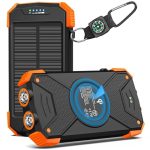
Never miss a beat on your bike! This guide shows you exactly how to keep your Bluetooth speaker powered up for music all day long on any adventure.
Hey there, fellow adventurers! Ever pedaled your heart out, feeling the rhythm of the road, only to have your awesome Bluetooth speaker suddenly go quiet? It’s a real bummer when the soundtrack to your journey cuts out, right? I’ve been there, fiddling with dead batteries when I just wanted to enjoy some tunes.
Picking out the perfect speaker can be a bit of a maze too. So many buttons, so many specs that sound like a secret code! But don’t worry, we’re going to make understanding your gear super simple. Think of me as your friendly tech buddy, here to help you navigate all things gadgety without the headaches.
We’ll dive into how to keep that music flowing, no matter how far your wheels take you. Get ready to learn some cool tricks to power up your adventures. Let’s break down how to charge your Bluetooth speaker on those epic long bike trips, step by step!
Why Your Bike Tunes Matter
Music can totally change a bike trip, can’t it? It can give you that extra push on a tough climb or make a scenic downhill glide feel even more magical. Having your favorite playlist or a podcast along for the ride makes everything better. It’s like having a personal DJ and motivator all rolled into one.

But what happens when your speaker’s battery dips to zero? Suddenly, the mood can shift. That’s where smart charging comes in. Knowing how to keep your speaker alive means your adventure stays vibrant and fun, from the first pedal stroke to the last.
Let’s Talk About Power: Understanding Your Speaker’s Battery
Most Bluetooth speakers run on rechargeable batteries. These are usually built-in lithium-ion batteries, similar to what’s in your smartphone. They’re great because they hold a good amount of charge and can be refilled many times. But like any battery, they don’t last forever on a single charge.
The battery life you get depends on a few things. How loud you play your music is a big one. Crank it up, and you’ll drain the battery faster. The speaker’s size and power also play a role; bigger, louder speakers often need more juice. And sometimes, features like bright LED lights can also eat into playtime.
Keeping the Music Alive: Charging Methods for the Road
So, how do we keep that battery topped up when you’re miles away from a wall socket? It’s all about planning and having the right gear. Think of it like packing extra snacks for your ride – essential for a long journey!
Here are the main ways you can charge your Bluetooth speaker while you’re out biking:
1. The Power Bank Pal
A portable power bank is your best friend for long trips. These are basically big batteries that you can use to charge other devices, like your phone or your speaker. They come in all sorts of sizes and capacities.
You just need to make sure your power bank has enough juice to fully charge your speaker at least once, or ideally, more. A good rule of thumb is to pick a power bank with a capacity that’s at least double your speaker’s battery capacity. This way, you have a little extra for your phone too.
How it works: Connect your speaker to the power bank using a USB cable. That’s it! The power bank will start charging your speaker.
Why it’s great: Super convenient, portable, and can charge multiple devices. You can often charge your phone and speaker at the same time if your power bank has multiple ports.
2. The Dynamo Charger: Harnessing Your Own Power
This is a super cool, eco-friendly option for the serious cyclist! A dynamo charger uses the motion of your bike’s wheels to generate electricity. As you pedal, the dynamo spins and creates power. This power can then be used to charge your devices.
There are a couple of types: hub dynamos (built into the wheel hub) and bottle dynamos (that press against the tire). They often connect to a small generator that can then charge a USB device or a separate battery pack.
How it works: The dynamo generates power as you ride. This power is usually sent to a small adapter that has a USB port. You plug your speaker’s charging cable into this USB port.
Why it’s great: Unlimited power as long as you’re moving! Perfect for multi-day trips where finding power outlets is impossible. It’s also a great backup.
Things to note: Dynamos can add a little bit of drag to your ride, meaning it takes slightly more effort to pedal. Also, they generate power more effectively when you’re moving at a decent speed.
3. Solar Power: Catching Rays for Tunes
Solar chargers are another fantastic off-grid solution. These are panels that convert sunlight into electricity. You can get portable solar panels that you can attach to your backpack or bike.
While solar can be great, it’s important to know that most portable solar chargers won’t directly charge a speaker very quickly, especially if it’s cloudy or you’re in a shaded area. Many people use solar panels to charge a power bank during the day, and then use the power bank to charge their speaker overnight.
How it works: You place the solar panel in direct sunlight. It then outputs power through a USB port, or sometimes to a built-in battery. You plug your speaker into the USB port.
Why it’s great: Uses clean energy! Can be a good passive charging method if you’re stopped for a while in the sun.
Things to note: Charging speed depends heavily on sunlight intensity. Direct, strong sunlight is key.
4. The Car Charger (If Applicable) or Mobile Charging Stations
If your bike trip involves a support vehicle or you’re stopping at places with car access, a car charger is an option. Many car chargers have USB ports. You can also find charging stations at some bike shops, cafes, or rest stops along popular routes.
How it works: Plug the car charger into your bike’s 12V outlet (cigarette lighter port) or a USB port if your car has one. Then, plug your speaker’s charging cable into the charger.
Why it’s great: Reliable power source when available.
Things to note: Only useful if you have vehicle access or are stopping at specific locations.
Choosing the Right Gear for Your Bike Adventure
Not all speakers are created equal, and neither are all charging solutions. Let’s break down what to look for.
What to Look for in a Bike-Friendly Bluetooth Speaker:
Battery Life: This is king! Look for speakers that boast 10+ hours of playback. Some can even go up to 20 or 30 hours.
Durability/Water Resistance: You’re on a bike, so dust, rain, and accidental bumps are likely. Look for an IP rating (like IPX5, IPX7) which means it can handle splashes or even submersion.
Portability: You don’t want something too heavy or bulky. Many speakers come with carabiner clips, making them easy to attach to your backpack or bike frame.
Sound Quality: While not always the top priority for adventure, good sound makes the experience much better! Read reviews to see what people say about the bass and clarity.
What to Look for in a Charging Setup:
Power Bank Capacity: Measured in milliampere-hours (mAh). For a speaker with a 5000mAh battery, a 10000mAh power bank can charge it twice. For longer trips, aim for 20000mAh or more, especially if you’re also charging your phone.
Portability and Weight: You’re carrying this on your bike, so keep weight and size in mind.
Durability: If you’re using a dynamo or solar charger, ensure they can withstand the elements and vibrations of cycling.
Charging Speed: Some power banks and chargers are faster than others. Look for specs like “fast charging” or specific output wattages (e.g., 18W, 30W).
Here’s a quick comparison to help you visualize some options:
| Feature | Typical Small Speaker | Typical Large Speaker | Typical Power Bank (20,000 mAh) | Typical Dynamo Charger |
|---|---|---|---|---|
| Battery Life (Playback) | 8-12 Hours | 15-25 Hours | N/A (Charges other devices) | N/A (Generates power) |
| Charging Time (from empty) | 2-4 Hours | 3-5 Hours | 4-8 Hours (from wall) | Variable (depends on speed) |
| Portability | Very High | High | High | Medium (Dynamo unit + adapter) |
| Durability | Varies (look for IP rating) | Varies (look for IP rating) | Usually good, check reviews | Good (designed for bikes) |
| Ideal Use Case | Short trips, easy carry | Longer rides, richer sound | Multi-device charging, extended trips | Multi-day tours, off-grid |
This table gives you a general idea. For instance, a small speaker might be lighter and easier to pack, but a larger one will likely have better sound and longer battery life. When choosing a power bank, think about how many times you’ll need to recharge your speaker and phone. A 20,000mAh power bank is a sweet spot for many long bike trips, offering multiple charges for both devices.
Step-by-Step: Charging Your Speaker on the Go
Let’s get practical. Here’s how you actually do it:
Step 1: Pre-Trip Preparation is Key!
Before you even leave your driveway, do this:
Fully charge your speaker: Make sure it’s at 100%.
Fully charge your power bank(s): If you’re using a power bank, charge it up completely the night before.
Check your dynamo/solar setup: Make sure all connections are secure and working. Test it by plugging in your phone briefly.
Pack the right cables: Bring the USB cable that came with your speaker, and any necessary adapters for your power bank or dynamo.
Step 2: On the Trail – When to Charge
Don’t wait until your speaker is dead! Top it up whenever you have a good opportunity.
During breaks: Stop for lunch or a rest? That’s a perfect time to plug in your speaker to your power bank.
While riding (Dynamo/Solar): If you have a dynamo or solar charger connected, it’s charging passively as you ride.
Overnight: If you’re camping, use your power bank or solar charger to top up your speaker while you sleep.
Step 3: The Connection Process
This is the easy part!
Locate the charging port: On your speaker, find the small port (usually USB-C or Micro-USB).
Connect the cable: Plug one end of the USB cable into your speaker and the other end into the output port of your power bank, dynamo adapter, or solar charger.
Confirm charging: Most speakers have an indicator light that will show it’s charging. It might be a small LED that turns red or shows a charging icon.
Step 4: Monitor and Disconnect
Keep an eye on it: You don’t need to watch it constantly, but check every so often to make sure it’s still charging and not overheating.
Don’t overcharge (usually): Modern devices have protection against overcharging, but it’s still good practice to unplug once it’s full or nearly full, especially if you’re using a less sophisticated charging method.
Fun Facts & Pro Tips for the Road!
Did you know that the first portable Bluetooth speaker was released in 2007? It paved the way for the incredible sound we can now take anywhere!
Here are some extra tips to make your charging experience even smoother:
Keep it cool: Batteries don’t like extreme heat. If your speaker or power bank gets too hot in the sun, let it cool down in the shade before charging.
Charge in the shade: While solar needs sun, charging from a power bank or dynamo is best done out of direct, scorching sunlight to prevent overheating.
Waterproof bags are your friend: Keep your speaker and charging gear protected in a dry bag, especially if rain is in the forecast.
Consider a speaker with a large built-in battery: Some rugged, outdoor speakers are designed for long-lasting use. Brands like JBL, Anker, and Bose often have models with impressive battery life.
Dual-purpose devices: Some power banks have built-in LED lights, which can be super handy if you’re camping!
Troubleshooting Common Charging Issues
Sometimes things don’t go as planned. Here are a few quick fixes:
Speaker not charging?
Try a different USB cable. Cables can get damaged.
Try a different USB port on your power bank.
Make sure your power bank is actually charged!
Charging very slowly?
This is normal with solar chargers in low light.
Some power banks have lower-output ports for trickle charging. Make sure you’re using the main output port.
Ensure your speaker isn’t playing music at high volume while trying to charge.
Speaker or charger getting hot?
Unplug immediately and let it cool down in a shaded, well-ventilated area. Avoid charging in direct sunlight.
If you’re still having trouble, it might be worth checking the manufacturer’s website for your specific speaker model. For more in-depth tech advice, sites like CNET often have great guides and reviews.
Frequently Asked Questions (FAQ)
Q1: Can I charge my Bluetooth speaker from my bike’s dynamo while it’s playing music?
Yes, you often can! However, the power generated by a dynamo can fluctuate with your pedaling speed. If you’re playing music at a high volume, the speaker might drain the battery faster than the dynamo can charge it. For best results, charge it while the speaker is off or at a lower volume.
Q2: How many times can a 20,000mAh power bank charge a typical Bluetooth speaker?
A typical Bluetooth speaker might have a battery between 3,000mAh and 7,000mAh. A 20,000mAh power bank can usually charge a 5,000mAh speaker about 3 times, or a 7,000mAh speaker about 2 times, with some power left over. This accounts for charging inefficiencies.
Q3: Is it safe to leave my speaker charging on my bike all day in the sun?
It’s generally not recommended. Extreme heat can damage the battery and electronics of both your speaker and your power bank. It’s better to charge in the shade or during cooler parts of the day.
Q4: Do I need a special cable to charge my speaker from a power bank?
No, usually you can use the standard USB charging cable that came with your speaker. If your power bank has a USB-C output and your speaker uses USB-C, that’s great! Otherwise, a standard USB-A to Micro-USB or USB-C cable will work.
Q5: How can I maximize my speaker’s battery life on a long trip?
Besides charging effectively, try these tips:
Keep the volume at a moderate level.
Turn off any LED lights on the speaker if they’re not needed.
Avoid using your speaker in very cold or very hot conditions, as this can affect battery performance.
Make sure your speaker is fully charged before you start your trip.
Q6: What’s the difference between a hub dynamo and a bottle dynamo?
A hub dynamo is built into the center of your wheel hub. It’s generally more efficient and less noticeable when riding. A bottle dynamo is mounted near the tire and uses friction to spin a roller that generates power. They are usually cheaper but can wear out your tire and create more drag.
Q7: Should I get a solar charger or a power bank for my bike trip?
For most cyclists, a high-capacity power bank is the most reliable option. Solar chargers are great as a supplement, especially for multi-day trips where you might be stopped for long periods in the sun, or to keep your power bank topped up. A combination of both can offer the best of both worlds.
Your Adventure Soundtrack Awaits!
So there you have it! Keeping your Bluetooth speaker powered up on long bike trips is totally achievable with a little planning and the right gear. Whether you opt for the reliable power of a power bank, the sustainable energy of a dynamo, or the sun-powered magic of solar, you’re all set to bring your favorite tunes along for the ride.
Remember, it’s all about having fun and making your adventures even more memorable. Don’t let a dead battery cut your music short. Now go out there, explore those scenic routes, conquer those hills, and keep the good vibes rolling with your personalized soundtrack! Now go enjoy amazing sound and make every moment louder and better!