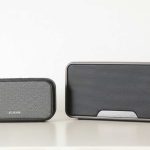
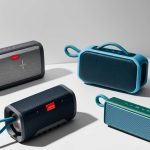
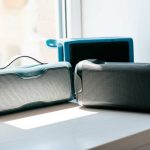
Portable Bluetooth speakers are small and battery-powered for music anywhere, while home Bluetooth speakers are larger, plug-in units designed for powerful sound in one place. This guide helps you choose the perfect one!
Hey there, tech explorers! Ever feel like your music, podcasts, or even movie sound just isn’t cutting it? We’ve all been there, right? You want to blast your favorite tunes by the pool, set the mood for a backyard barbecue, or just fill your living room with amazing audio. But then you look at all the Bluetooth speakers out there, and it gets a little confusing. Portable? Home? What’s the real deal?
Picking the right speaker can feel like a puzzle. You see all sorts of sizes, shapes, and features, and it’s easy to get lost in the tech jargon. But don’t worry, that’s exactly why I’m here! Think of me as your friendly guide, ready to break down all those confusing bits into easy, bite-sized pieces. We’re going to figure out exactly what makes a portable speaker tick and how a home speaker shines.
By the end of this chat, you’ll know the core differences and feel super confident about choosing the speaker that fits your life perfectly. Ready to dive into the wonderful world of Bluetooth sound? Let’s make this simple and fun!
Portable vs. Home Bluetooth Speakers: The Big Picture
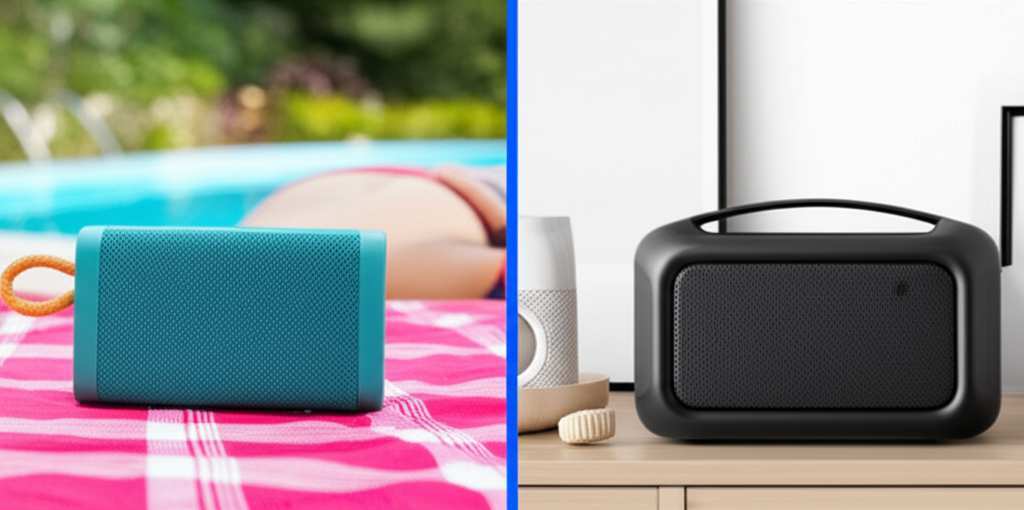
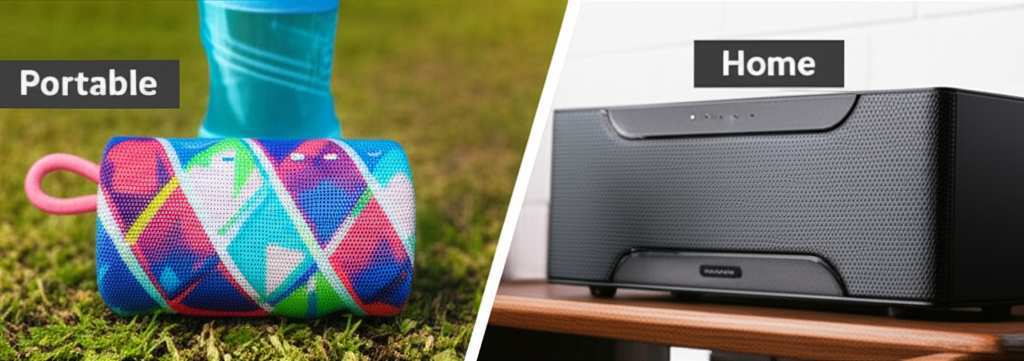
So, what’s the main difference? It’s pretty simple when you boil it down. Portable Bluetooth speakers are built for life on the go. They’re small, light, and have their own battery, so you can take them anywhere. Think picnics, beach days, or even just moving from room to room in your house.
Home Bluetooth speakers, on the other hand, are designed to stay put. They’re usually bigger, need to be plugged into a wall outlet, and focus on delivering bigger, richer sound for your living space. They’re like the dedicated sound systems for your home.
Let’s Talk About Sound
When we talk about sound quality, both portable and home speakers can be amazing. However, there are some general differences you’ll notice. Portable speakers are often designed to be compact and tough, so their sound might be more focused on clarity and being loud enough for an outdoor setting.
Home speakers, with more space and power, can often produce deeper bass and a wider soundstage. This means they can fill a larger room with immersive audio, making movies and music feel more impactful. It’s like comparing a powerful concert speaker to a really good pair of headphones – both are great, but they serve different purposes.
Portable Bluetooth Speakers: Your Sound Companion
Portable Bluetooth speakers are all about freedom. They’re your perfect sidekicks for any adventure. You can easily toss one in your backpack, carry it by its handle, or even clip it to your belt. Because they’re battery-powered, you’re not tethered to a power outlet.
These speakers are built to be tough, too. Many are water-resistant or even waterproof, making them ideal for poolside parties or camping trips. They connect wirelessly to your phone, tablet, or laptop via Bluetooth, so setting them up is usually a breeze. Just a quick pairing, and you’re ready to jam!
Key Features of Portable Speakers
Battery Life: This is a big one! Good portable speakers can last anywhere from 8 to 20+ hours on a single charge. It’s crucial if you plan to use it all day without access to power.
Portability & Size: They’re designed to be lightweight and compact. You can find tiny speakers that fit in your palm or larger ones that are still easy to carry.
Durability: Many are built to withstand drops, dust, and water. Look for IP ratings (like IPX7) to know how water-resistant they are.
Connectivity: Bluetooth is standard, but some offer NFC for quick pairing or even auxiliary inputs for wired connections.
Sound Output: While not as powerful as home speakers, many portable options deliver surprisingly robust sound with decent bass.
Pros and Cons of Portable Bluetooth Speakers
Here’s a quick rundown of what’s great and what’s not-so-great about portable speakers:
- Pros:
- Incredible freedom to take music anywhere.
- Easy to set up and use on the go.
- Many are rugged and water-resistant.
- Great for outdoor gatherings and travel.
- Compact size makes them easy to store.
- Cons:
- Sound quality might not match larger home systems.
- Battery life can be a limitation if not managed.
- May not fill very large rooms with rich sound.
- Can be more expensive for premium sound in a small package.
Home Bluetooth Speakers: Your Sound Hub
Home Bluetooth speakers are designed to be the heart of your audio experience indoors. They’re usually larger and don’t have batteries, meaning they need to be plugged into a wall outlet to work. This constant power allows them to push out more volume and richer sound.
These speakers are perfect for creating an immersive listening experience in your living room, home office, or kitchen. They often focus on superior audio fidelity, delivering crisp highs, clear mids, and deep, resonant bass. Think of them as a step up for dedicated listening sessions.
Key Features of Home Speakers
Power & Sound Quality: Designed for fuller, more robust sound. They often have larger drivers for better bass and wider frequency response.
Connectivity: Bluetooth is common, but many also offer Wi-Fi for multi-room audio, voice assistant integration (like Alexa or Google Assistant), and sometimes optical or RCA inputs.
Design: They come in various styles, from sleek, minimalist designs to more traditional bookshelf or soundbar formats, meant to complement your home decor.
No Battery Worries: Since they plug in, you never have to worry about running out of power mid-song.
Potential for Stereo Pairing: Many home speakers can be paired with a second identical speaker to create a true stereo sound experience.
Pros and Cons of Home Bluetooth Speakers
Let’s look at the good and the not-so-good for home speakers:
- Pros:
- Superior sound quality, especially for bass and volume.
- Can fill large rooms with rich, detailed audio.
- No need to worry about battery life.
- Often offer more advanced connectivity options (Wi-Fi, voice assistants).
- Can be part of a larger home audio setup.
- Cons:
- Not portable at all; they stay in one place.
- Require a power outlet, limiting placement options.
- Can be bulkier and take up more space.
- Generally more expensive than basic portable speakers.
When to Choose Which: Making Your Decision
So, how do you decide which type of speaker is right for you? It really comes down to your lifestyle and how you plan to use your speaker.
Choose a Portable Speaker If:
You love taking your music to the beach, park, or on camping trips.
You want to listen to music in different rooms of your house without hassle.
You host a lot of outdoor gatherings or parties.
You need a speaker that can survive a bit of rough and tumble (water, dust, drops).
You value convenience and the ability to move your sound around easily.
A portable speaker is like a trusty friend who’s always ready for an adventure. It’s about spontaneity and bringing your soundtrack wherever you go!
Choose a Home Speaker If:
You want the best possible sound quality for listening at home.
You plan to use the speaker primarily in one room, like your living room or home office.
You enjoy listening to music, podcasts, or watching movies with powerful, immersive audio.
You want to integrate your speaker with smart home devices or multi-room audio systems.
You don’t mind being near a power outlet and aren’t concerned with portability.
A home speaker is like the maestro of your indoor soundscape. It’s about creating a dedicated, high-quality listening environment.
Let’s Talk Specs: What Matters Most?
When you’re looking at speakers, you’ll see a lot of technical terms. Don’t let them scare you! Here are a few key ones and what they mean for you:
Wattage (W): This tells you how loud the speaker can get. More watts generally mean a louder speaker. For a small room, 10-20W might be enough. For a larger space or outdoor use, you might want 30W or more.
Frequency Response: This is the range of sound frequencies a speaker can produce, measured in Hertz (Hz). A wider range (e.g., 50Hz – 20,000Hz) means it can reproduce both deep bass (lower Hz) and crisp treble (higher Hz) more accurately.
Bluetooth Version: Newer versions (like Bluetooth 5.0 or 5.1) offer better range, faster connection, and more stable audio streaming with less interruption.
IP Rating: This is super important for portable speakers. An IPX7 rating, for example, means the speaker can be submerged in water up to 1 meter for 30 minutes. An IP67 rating adds dust resistance.
Understanding Connectivity Options
Beyond basic Bluetooth, some speakers offer more ways to connect:
- Auxiliary (AUX) Input: A standard headphone jack input. Lets you connect older devices or anything without Bluetooth using a cable.
- Wi-Fi Connectivity: Allows for higher quality streaming, multi-room audio (playing music on multiple speakers at once), and often voice assistant integration.
- NFC (Near Field Communication): Tap your NFC-enabled phone to the speaker for an instant Bluetooth connection. Super quick and easy!
- USB Port: Some portable speakers can even charge your phone or other devices in a pinch!
A Quick Look at Speaker Performance
To give you a better idea, let’s compare some typical features you might find. This isn’t for specific models, but to show you the general differences you can expect.
| Feature | Typical Portable Speaker | Typical Home Speaker |
|---|---|---|
| Power Source | Rechargeable Battery | AC Power Outlet |
| Battery Life | 8-20+ hours | N/A |
| Size & Weight | Compact & Lightweight | Larger & Heavier |
| Durability | Often Water/Dust Resistant | Usually for Indoor Use Only |
| Sound Output | Clear, Good for personal/small group listening | Rich, Deep Bass, Wide Soundstage for rooms |
| Connectivity | Bluetooth, sometimes AUX | Bluetooth, Wi-Fi, AUX, sometimes Optical/RCA |
| Portability | High | Very Low |
As you can see from the table, the biggest differences really come down to power source and portability. If you need sound that travels, a portable speaker is your clear winner. If you want the best sound performance in a dedicated space, a home speaker will likely serve you better.
Real-World Examples: Sound in Action!
Let’s imagine a couple of scenarios.
Scenario 1: The Beach Day
You’re heading to the beach with friends. You pack your cooler, towels, and your trusty portable Bluetooth speaker. It’s small enough to fit in your beach bag, it’s probably waterproof in case of splashes, and its battery will last all afternoon. You connect your phone in seconds, and everyone enjoys the tunes. Perfect! A home speaker would be useless here – no power, too bulky, and not built for sand and sun.
Scenario 2: Movie Night at Home
You’re settling in for a movie in your living room. You have a home Bluetooth speaker (maybe a soundbar or a larger bookshelf unit) plugged in. As the action unfolds, the deep explosions and dramatic music fill the room, making the experience much more immersive. If you tried to use a portable speaker for this, you might find the bass lacking, and the overall sound just wouldn’t be as grand or enveloping.
A Fun Fact!
Did you know that the first portable Bluetooth speaker actually came out around 2008? It was a big step from having to carry around bulky CD players or even early MP3 players with wired speakers!
Maintaining Your Speakers for Longevity
No matter which type you choose, a little care goes a long way.
For Portable Speakers:
Charge Properly: Avoid leaving them plugged in for days after they’re fully charged, as this can sometimes degrade the battery over time.
Clean Gently: Use a soft, dry cloth to wipe them down. If they’ve been near sand or dirt, be careful not to scratch the speaker grille.
Respect Water Ratings: If it’s water-resistant, don’t push it! Clean off salt water or chlorine thoroughly after swimming to prevent corrosion.
Store Safely: Keep them out of direct sunlight for extended periods, which can damage the battery and plastic.
For Home Speakers:
Dust Regularly: A simple dusting keeps them looking good and prevents dust buildup that can affect sound.
Ensure Ventilation: Make sure the speaker isn’t covered or crammed into a tight space, as this can cause overheating.
Protect from Spills: Keep drinks and food away from your home speaker, as spills can cause permanent damage.
Check Connections: Occasionally ensure the power cable is securely plugged in at both ends.
Where to Find More Info
If you’re curious about the latest and greatest in Bluetooth speakers, sites like CNET and TechRadar offer fantastic reviews and comparisons. They test a wide range of models, so you can see real-world performance data and expert opinions. Checking out these resources can really help you narrow down your choices when you’re ready to buy!
Frequently Asked Questions (FAQs)
Q1: Can I use a portable speaker plugged into the wall?
Yes, most portable speakers can be used while they are plugged in and charging. This is great if you’re using it for an extended period at home and don’t want to worry about battery life.
Q2: Will a home Bluetooth speaker sound better than a portable one?
Generally, yes. Home speakers have more space for larger drivers and more powerful amplifiers, leading to richer bass and a fuller sound. However, premium portable speakers can still offer excellent sound quality!
Q3: How far can Bluetooth speakers reach?
Standard Bluetooth has a range of about 30 feet (10 meters). Newer versions, like Bluetooth 5.0, can extend this to around 80 feet (24 meters) in ideal conditions, but obstacles like walls can reduce the range.
Q4: Can I connect multiple portable speakers together?
Many modern portable speakers support a feature called “TWS” (True Wireless Stereo) or a similar multi-speaker pairing. This lets you link two identical speakers for a true stereo sound or broadcast the same audio to several speakers.
Q5: Do I need Wi-Fi for a home Bluetooth speaker?
Not necessarily. A Bluetooth-only home speaker doesn’t need Wi-Fi. However, speakers that offer Wi-Fi connectivity usually provide more features, like voice control and multi-room audio, and can stream higher-quality audio directly from the internet.
Q6: Which type is better for a dorm room?
A portable speaker is often a great choice for a dorm room! It’s versatile – you can use it in your room, take it to study groups, or bring it to friend’s places. Plus, they don’t take up much space.
Q7: How do I know if a speaker is waterproof?
Look for an “IP” rating. For example, IPX7 means it’s protected against immersion in water. IP67 means it’s protected against both water and dust. The higher the number after “IPX” or “IP”, the better the protection.
Ready to Tune In?
So there you have it! We’ve journeyed through the world of portable and home Bluetooth speakers, uncovering their unique strengths and what makes them special. You’ve learned that portability is king for the on-the-go adventurer, while home speakers reign supreme for immersive, powerful sound experiences.
You now have the knowledge to look beyond the fancy marketing and understand what really matters. Whether you’re dreaming of beach parties with a rugged speaker or cozying up with a cinematic sound experience at home, you know exactly what to look for. Don’t let tech overwhelm you – let it empower you!
Now go forth and explore! Find the speaker that fits your vibe, your space, and your budget. Happy listening, and may your days be filled with fantastic sound!