The best Bluetooth speaker for camping is one that’s tough, has a long battery life, and sounds great outdoors. We’ll help you find a rugged, portable choice that makes your trips amazing!
Hey there, tech adventurer! Planning your next camping trip and dreaming of campfire tunes or crystal-clear podcasts under the stars? Music really makes those outdoor moments special, doesn’t it? But stepping into the world of Bluetooth speakers can feel like trying to navigate a dense forest without a map. There are so many options, and all those technical terms can make your head spin.
Don’t worry, my friend! I’m Max, your go-to guy for making tech simple and fun at AffTechy.com. I know exactly how it feels to be overwhelmed. That’s why I’m here to guide you through choosing the perfect Bluetooth speaker for your camping adventures. We’ll skip the jargon and focus on what truly matters.
Get ready to discover how to pick a speaker that’s not just loud, but also tough, long-lasting, and perfect for the wild. Let’s make sure your soundtrack to nature is as incredible as the view!
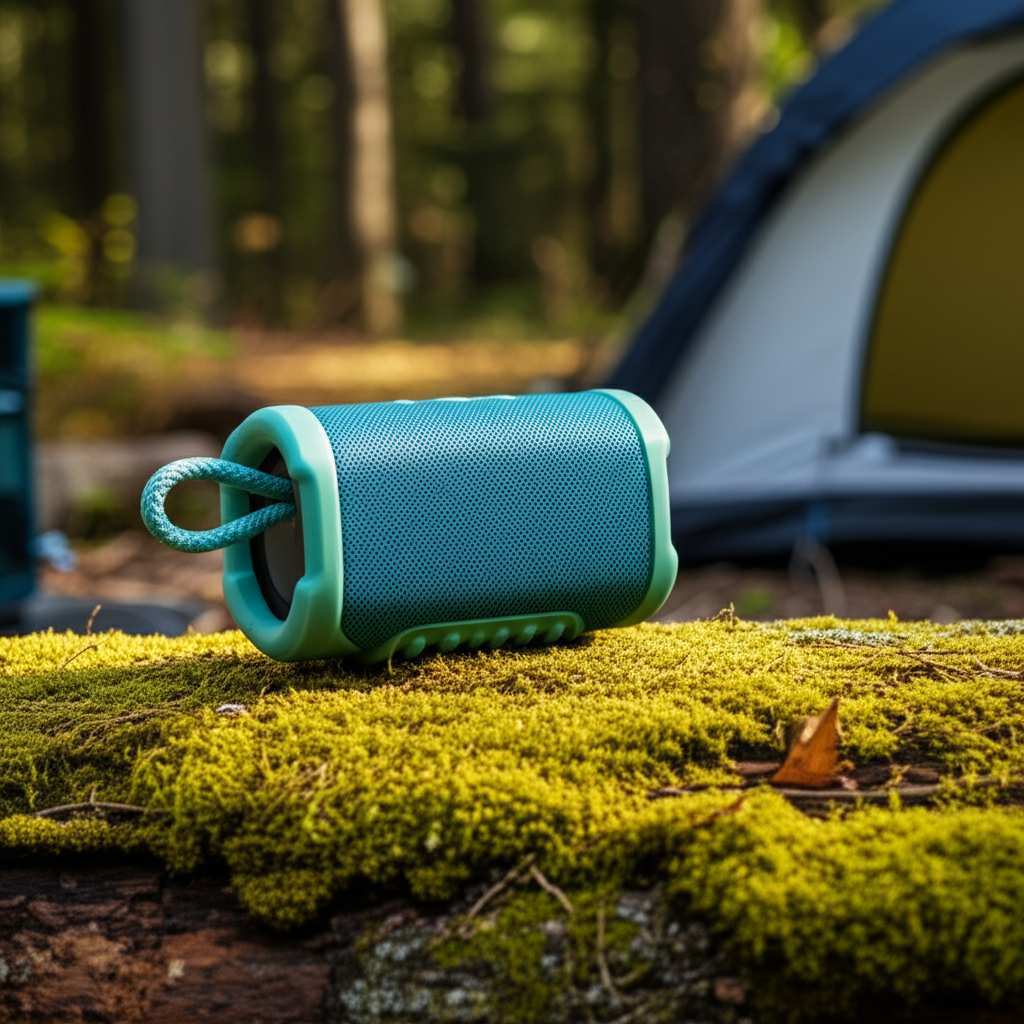
Why You Need a Special Speaker for Camping
You might be thinking, “Can’t I just bring my regular speaker?” Well, yes, but camping is a different ball game! Your home speaker is cozy indoors. Out in nature, things get a bit more… adventurous.
Think about it: dust, water splashes, accidental drops, and long days away from a power outlet. Your average speaker might not handle all that. A good camping speaker is built to survive the elements and keep the music going. It’s an investment in your outdoor fun.
Let’s Talk Sound: What Makes a Speaker “Camping-Ready”?
When we talk about the “best” speaker, it’s not just about the loudest sound. For camping, a few key things make a big difference. We need a speaker that can handle the outdoors and keep playing for hours.
Here’s what you should look for:
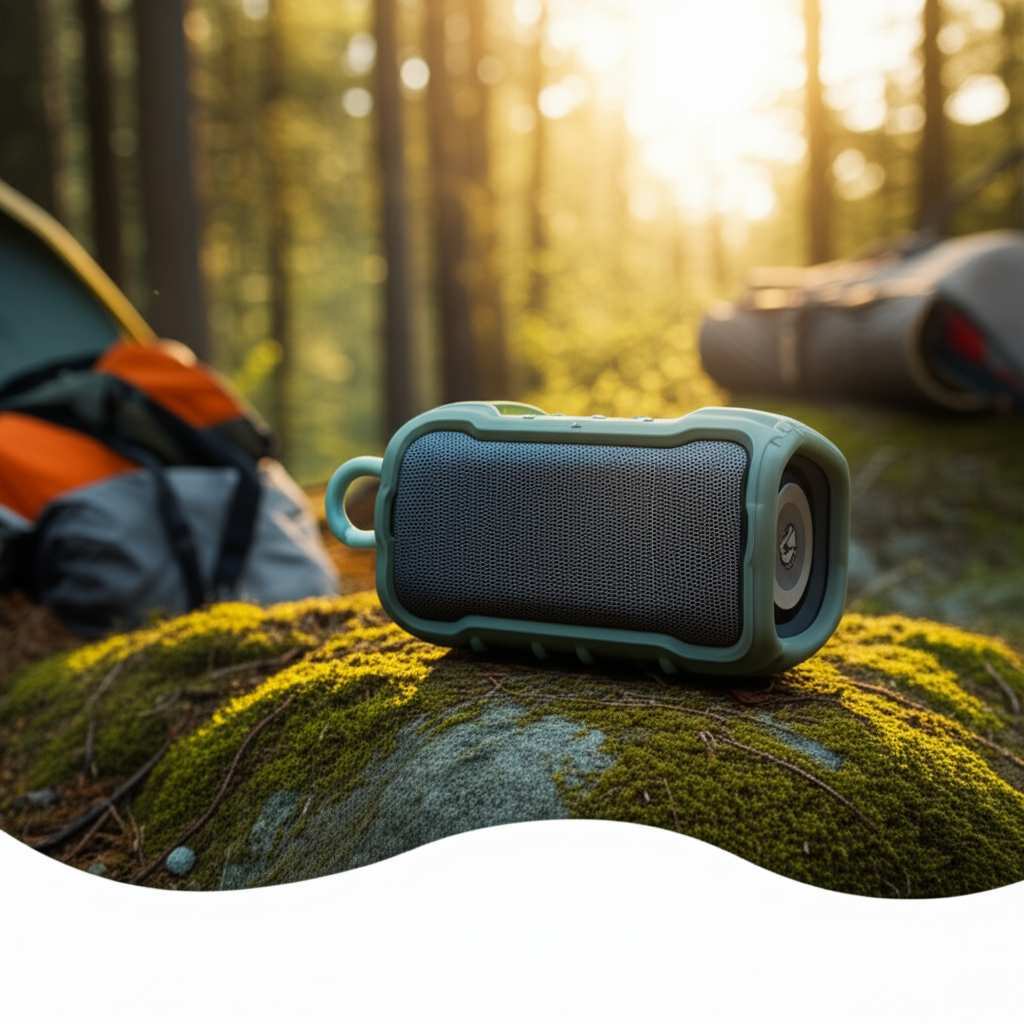
Durability: Built Tough for the Wild
Camping means your gear will get a workout. You need a speaker that can take a beating.
Water Resistance: Look for an IP rating. IPX4 means it can handle splashes. IPX7 means it can even be submerged for a short time! This is super important near lakes or if it starts to rain.
Dustproof: Camping sites can be dusty. A dustproof speaker will keep working without getting clogged up.
Shockproof: Accidents happen! A speaker that can survive a fall from a few feet is a lifesaver.
Battery Life: Power Through Your Adventures
Nothing kills the vibe faster than a dead battery. For camping, you want a speaker that lasts.
Long Playtime: Aim for speakers that offer 15-20 hours of playback on a single charge. Some even go much longer!
Portable Charging: Some speakers can even charge your phone in a pinch. This is a handy feature when you’re off the grid.
Sound Quality: Music That Fills the Outdoors
Even though it’s outdoors, you still want your music to sound good.
Volume: It needs to be loud enough to be heard over campfire crackles or wind.
Bass: Good bass makes music feel more alive, even outside.
Clarity: You want to hear your favorite songs clearly, not muffled or distorted.
Portability: Easy to Pack and Carry
You’ll be carrying this speaker around. It shouldn’t weigh you down.
Size and Weight: Look for something compact and light.
Carabiner Clip: Some speakers come with a clip so you can hang them from your backpack or a tent.
Choosing Your Perfect Camping Companion: Key Features Explained
So, you’ve got the general idea. Now let’s dive into some specific features and what they mean for your camping experience. This is where we separate the good from the truly great.
IP Ratings: Your Speaker’s Shield Against the Elements
This is a big one! IP stands for “Ingress Protection.” It’s a standard way to tell you how well a device is protected against things like dust and water.
IPX4: Protected against water splashes from any direction. Good for light rain or accidental spills.
IPX5: Protected against low-pressure water jets from any direction. Better for heavier rain.
IPX6: Protected against high-pressure water jets. Very water resistant.
IPX7: Can be submerged in water up to 1 meter for 30 minutes. Excellent for poolside or accidental drops in water.
IP6X: Dustproof. No dust can get in. Perfect for dry, dusty environments.
A speaker with a rating like IP67 is a top-tier choice for camping. It’s both dustproof and can handle being submerged. That’s serious protection!
Battery Life: How Long Will the Party Last?
Battery life is measured in hours of playback. More hours mean more music, more podcasts, and more fun without needing to recharge.
10-15 Hours: Decent for a weekend trip if you’re not playing music constantly.
15-25 Hours: Excellent for most camping trips. You’ll likely get through several days.
25+ Hours: Amazing! This speaker will keep going and going.
Consider how long your trips usually are and how often you’ll be using the speaker. If you’re going for a week-long trek, you’ll want something with epic battery life.
Connectivity: Bluetooth Versions and Pairing
Bluetooth is how your speaker connects to your phone or tablet. Newer versions are generally better.
Bluetooth 5.0 and Higher: These versions offer a more stable connection, longer range, and use less power. This means your music won’t cut out as easily, and you can move around a bit more.
Multi-point Pairing: Some speakers can connect to two devices at once. This is cool if you and a friend want to share DJ duties!
Stereo Pairing: You can often pair two identical speakers together to create a stereo sound experience. This really fills up the campsite with sound.
Size and Weight: The Portable Factor
You don’t want a speaker that’s too heavy or bulky to pack.
Compact: Fits easily into a backpack side pocket.
Lightweight: Won’t add much to your overall load.
Durable Casing: Often made of rubber or tough plastic to protect against bumps.
Extra Features: What Else Can It Do?
Some speakers pack in even more handy features.
Built-in Microphone: For taking calls hands-free. Useful if you need to take an important call.
App Control: Some brands have apps that let you adjust EQ settings or update firmware.
Power Bank Functionality: As mentioned, some can charge your phone. A real lifesaver!
Top Picks: What Are the “Amazing” Choices for Camping?
Alright, let’s get to the fun part! Based on what we’ve discussed, here are some types of speakers that are consistently praised for their camping prowess. I’ll highlight some popular examples that often get rave reviews.
The Rugged All-Rounder
These speakers are built like tanks. They’re usually waterproof, dustproof, and shockproof. They offer a great balance of durability, sound quality, and battery life.
Example: The JBL Charge 5 is a fantastic option. It’s IP67 waterproof and dustproof, meaning you can take it anywhere. It boasts impressive sound for its size and has a solid battery life of up to 20 hours. Plus, it can act as a power bank to charge your phone.
The Ultra-Portable Companion
If space and weight are your biggest concerns, these small but mighty speakers are perfect. They might not fill a stadium, but they deliver great sound for personal listening or a small group.
Example: The Bose SoundLink Micro is tiny but mighty. It’s waterproof (IPX7) and has a built-in strap so you can attach it to almost anything. The sound quality is surprisingly rich for its size, and it offers about 6 hours of playback. It’s perfect for attaching to a bike or backpack.
The Long-Haul Listener
For extended trips or if you just love to keep the music going, these speakers prioritize battery life above all else.
Example: The Anker Soundcore Select Pro often provides a massive 24 hours of playtime. It’s also IPX7 waterproof and has decent bass, making it a great all-around choice for longer adventures.
Comparing Camping Speaker Features
To help you visualize, here’s a quick look at how some popular camping-friendly speakers stack up. This table focuses on the features most important for outdoor use.
| Feature | JBL Charge 5 | Bose SoundLink Micro | Anker Soundcore Select Pro | Ultimate Ears MEGABOOM 3 |
|---|---|---|---|---|
| IP Rating | IP67 (Waterproof & Dustproof) | IPX7 (Waterproof) | IPX7 (Waterproof) | IP67 (Waterproof & Dustproof) |
| Battery Life (Hours) | 20 | 6 | 24 | 20 |
| Weight (oz) | 22.04 | 9.9 | 23.6 | 19.4 |
| Power Bank | Yes | No | No | No |
| 360° Sound | No | No | No | Yes |
See how the JBL Charge 5 and Ultimate Ears MEGABOOM 3 offer that tough IP67 rating and great battery life? The Bose SoundLink Micro is super light and portable but has less battery. The Anker Soundcore Select Pro really shines with its super long playtime.
Choosing between them depends on what you value most: extreme durability, portability, or sheer battery endurance.
How to Get the Best Sound Out of Your Camping Speaker
Once you have your speaker, a few simple tricks can make your outdoor audio experience even better.
Placement is Key
Don’t just plop your speaker down anywhere.
Elevate it: Putting your speaker on a picnic table or a rock can help the sound travel better and prevent it from getting muddy.
Face it towards you: This sounds obvious, but it makes a big difference. Don’t have the speaker facing a tree!
Consider reflections: Hard surfaces like rock faces can sometimes make sound bounce in interesting ways. Experiment to find the sweet spot.
Don’t Overload the Bass
At high volumes outdoors, heavy bass can sometimes sound distorted or muddy. If your speaker has an app, try dialing back the bass slightly when playing at maximum volume. This can often lead to clearer sound.
Keep it Charged
Even with great battery life, it’s wise to top up your speaker whenever you have a chance, especially if you’re using it for multiple days. A portable power bank is your best friend here.
Protect it When Not in Use
When you’re not actively listening, keep your speaker in its protective case or a bag. This shields it from dust, moisture, and accidental knocks.
Setting Up Your Speaker: A Quick Guide
Getting your speaker connected is usually super simple. Here’s a general walkthrough:
1. Charge it Up: Make sure your speaker has enough battery. Many come partially charged, but a full charge is best.
2. Turn it On: Press and hold the power button. You’ll usually hear a sound or see a light indicating it’s on.
3. Put it in Pairing Mode: Most speakers automatically go into pairing mode the first time you turn them on. If not, look for a Bluetooth icon button and press it.
4. Open Bluetooth on Your Device: Go to the Bluetooth settings on your phone, tablet, or laptop.
5. Find Your Speaker: Your device will scan for nearby Bluetooth devices. You should see your speaker’s name appear in the list.
6. Connect: Tap on your speaker’s name to connect. You’ll usually hear a confirmation sound from the speaker.
And that’s it! You’re connected and ready to play your music. Easy peasy!
Frequently Asked Questions About Camping Bluetooth Speakers
Got more questions? I’ve got answers! Here are some common things beginners ask.
Q1: How important is the IP rating for a camping speaker?
A1: It’s very important! Camping means exposure to the elements. An IP rating ensures your speaker can handle splashes, rain, dust, and even accidental drops in water, keeping your music going without worry.
Q2: Can I use my home speaker for camping?
A2: You can, but it’s not ideal. Home speakers aren’t usually built to be waterproof, dustproof, or as rugged. A dedicated camping speaker is designed to survive the tougher conditions of the outdoors.
Q3: How much battery life do I really need for camping?
A3: For a weekend trip, 10-15 hours is usually enough. For longer trips or if you plan to play music all day, aim for 20 hours or more. Many great camping speakers offer 20+ hours of playback.
Q4: What’s the difference between Bluetooth 4.2 and 5.0?
A4: Bluetooth 5.0 is newer and better. It offers a more stable connection, a longer range (meaning your phone can be further away), and uses less battery power on both your device and the speaker.
Q5: Can I connect two speakers together for stereo sound?
A5: Yes, many speakers support stereo pairing! You can often link two identical speakers (or sometimes speakers from the same brand) to get a wider, more immersive sound experience. It really amplifies the atmosphere.
Q6: Do I need a speaker with a microphone for camping?
A6: It’s a nice-to-have feature! If you might need to take calls while you’re out, a speaker with a built-in microphone lets you do so hands-free. It’s not essential for music, but it can be convenient.
Q7: Are expensive camping speakers worth it?
A7: Often, yes! While there are budget options, premium speakers tend to offer better build quality, superior sound, longer battery life, and more robust waterproofing. They’re built to last, making them a worthwhile investment for many camping trips. For more detailed comparisons, sites like CNET often have great reviews.
Wrapping Up Your Outdoor Audio Quest
So there you have it! Choosing the best Bluetooth speaker for camping doesn’t have to be complicated. It’s all about finding a speaker that’s tough enough for the wild, has the battery power to keep up with your adventures, and sounds great wherever you set it up.
Remember those key features: IP ratings for water and dust protection, long battery life for extended fun, and a durable design. Whether you go for a rugged all-rounder, a super-portable mini, or a marathon battery beast, you’re now equipped to make an amazing choice.
You’ve learned what to look for, how to compare features, and even how to set it all up. You’re ready to bring your favorite music, podcasts, or audiobooks to your next campsite and make those outdoor moments even more memorable.
Now go enjoy amazing sound and make every moment louder and better! Happy camping!