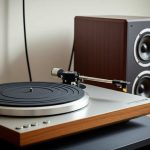
Yes, there’s a big difference between Hi-Fi and Bluetooth speakers for vinyl! Hi-Fi aims for pure, uncompressed sound, while Bluetooth often compresses audio, which can impact that warm vinyl magic. We’ll explore how to get the best sound for your precious records.
Hey there, fellow music lover! So, you’ve got that beautiful turntable, you’ve carefully picked out your favorite vinyl records, and you’re ready to dive into that rich, warm sound. But then you look at your speaker options, and suddenly it feels like you’re in a tech maze, right? You’ve heard terms like “Hi-Fi” and “Bluetooth,” and you’re wondering, “Do they really make a difference when I’m spinning records?”
It’s totally normal to feel a little confused. There’s a lot of jargon out there! I’ve been there myself, staring at speaker specs and wondering what half of it means. But here’s the good news: understanding the difference between Hi-Fi and Bluetooth speakers for your vinyl setup isn’t as complicated as it sounds. It’s actually pretty exciting because it means you can make your music sound its absolute best.
We’re going to break it all down, nice and easy. Think of me as your friendly guide, showing you exactly what to look for and why it matters for that authentic vinyl experience. We’ll go from the basics to the nitty-gritty without getting lost in confusing tech talk. Ready to unlock the true potential of your vinyl collection? Let’s dive in!
Why Does Speaker Choice Matter for Vinyl?
When you play a vinyl record, you’re experiencing analog sound. It’s a physical groove on a disc that a needle reads. This process captures a lot of detail and nuance. The goal with a good speaker system is to reproduce that analog sound as faithfully as possible, without adding any extra noise or losing any of that special character. It’s like tasting a gourmet meal; you want to taste every ingredient as the chef intended, not through a hazy filter.
The magic of vinyl is often in its warmth and depth. It’s a sound that many people find incredibly immersive and real. If your speakers aren’t up to the task, you might miss out on those subtle details. You might lose the richness of the bass or the clarity of the highs. That’s why choosing the right speakers is a big deal for any vinyl enthusiast.
Let’s Talk About Sound: Hi-Fi vs. Bluetooth
Okay, let’s get down to the core of it. What exactly are “Hi-Fi” and “Bluetooth” speakers, and how do they stack up when it comes to playing your beloved records?
What is Hi-Fi Audio?
Hi-Fi stands for High Fidelity. In the audio world, this means “high accuracy” or “true to the original.” A Hi-Fi system is designed to reproduce sound with as little distortion or alteration as possible. Think of it as the most direct, unadulterated path from your turntable to your ears. These systems are built with quality components that focus on detail, clarity, and a wide dynamic range. They aim to capture every whisper, every strum, every beat exactly as it was recorded.
When you connect your turntable to a Hi-Fi system, you’re usually dealing with a direct analog connection. This means the sound signal travels from your record player, through an amplifier (which boosts the signal), and then to your speakers. There’s minimal digital processing involved, preserving the natural, warm character that vinyl is famous for. This is why serious audiophiles often gravitate towards Hi-Fi setups for their vinyl playback.
What are Bluetooth Speakers?
Bluetooth speakers are all about convenience. They use Bluetooth technology to wirelessly connect to your music source, like your phone, tablet, or even a Bluetooth-enabled turntable. This wireless connection is super handy; no more tangled wires! However, there’s a trade-off.
For Bluetooth to work, the audio signal usually needs to be converted into a digital format, compressed, sent wirelessly, and then uncompressed and converted back into an analog signal by the speaker. This compression, even with modern codecs like aptX HD or LDAC, can sometimes strip away some of the finer details and nuances of the original sound. For everyday listening from streaming services, this is often unnoticeable. But for the delicate, analog sound of vinyl, it can sometimes mean a less authentic or rich listening experience.
Some modern turntables have built-in Bluetooth transmitters. This makes setting them up with Bluetooth speakers super easy. You just pair them, and off you go! It’s a fantastic option for simplicity, but it’s important to be aware that the sound might not be as pure as a wired Hi-Fi connection. Think of it like sending a detailed watercolor painting through a fax machine – it gets there, but some of the subtle brushstrokes might get lost.
The Shocking Truth: The Real Difference for Vinyl
Here’s the “shocking” truth, as promised! The main difference lies in the purity and integrity of the audio signal. Hi-Fi systems are built to preserve that analog signal from your turntable with minimal fuss. Bluetooth speakers, while incredibly convenient, introduce a wireless step that often involves digital compression and conversion. This can subtly alter the sound, sometimes reducing the warmth, depth, and detail that vinyl lovers cherish.
Imagine you’re listening to a classic jazz record. A Hi-Fi system will aim to deliver the smoky club atmosphere, the breath of the saxophone, the subtle brush of the drums. A standard Bluetooth speaker, while perfectly enjoyable, might present a slightly less vivid picture. It’s not that it sounds bad, but it might lack that specific, authentic “vinyl magic” that makes playing records so special.
So, if you’re chasing that pure, uncompromised vinyl sound, a traditional Hi-Fi setup is generally going to be the winner. If convenience is king and you still want a great listening experience, modern Bluetooth speakers with high-quality codecs can be a fantastic compromise. It really comes down to what you prioritize: ultimate fidelity or seamless wireless ease.
How to Connect Your Turntable: The Options
Connecting your turntable to your speakers is a key part of the process. How you do it can significantly impact the sound quality. Let’s look at the common ways you might connect, from the most traditional to the most modern.
Option 1: The Classic Hi-Fi Setup (Wired)
This is the gold standard for many vinyl enthusiasts. It involves a turntable, a phono pre-amplifier, an integrated amplifier, and passive speakers. The signal path is kept as analog as possible.
- Turntable to Phono Pre-amp: Your turntable’s output signal is very weak. It needs to be boosted and equalized (a process called RIAA equalization) to sound correct. This is the job of a phono pre-amplifier. Some turntables have this built-in, while others require an external one.
- Phono Pre-amp to Integrated Amplifier: The boosted signal from the phono pre-amp then goes into an integrated amplifier. This amp has a power amplifier (to make the sound loud enough for the speakers) and controls like volume and input selection.
- Integrated Amplifier to Passive Speakers: Finally, the amplified signal is sent via speaker wires to your passive Hi-Fi speakers. These speakers don’t have their own power source; they rely entirely on the amplifier.
This setup offers the purest sound because the signal is handled mostly in its analog form, with minimal digital conversion. It’s all about preserving every bit of that vinyl warmth.
Option 2: Active Speakers with a Turntable (Wired)
Active speakers have amplifiers built right into them. This simplifies your setup compared to a full Hi-Fi system.
- Turntable to Phono Pre-amp: Same as above, you need to boost and equalize the signal.
- Phono Pre-amp to Active Speakers: The signal goes from the phono pre-amp directly into the active speakers, usually via RCA cables or XLR connectors. The speakers handle the amplification themselves.
This is a great option if you want excellent sound quality without a bulky amplifier. Many modern active speakers also offer digital inputs, but for vinyl, you’ll want to use their analog inputs.
Option 3: Turntable with Built-in Bluetooth Transmitter
This is where convenience meets vinyl. Many newer turntables come with a built-in Bluetooth transmitter.
- Turntable (Bluetooth Enabled): You simply power up the turntable and a compatible Bluetooth speaker.
- Pairing: You put the turntable and speaker into pairing mode. They should find each other automatically.
- Wireless Playback: Once paired, the turntable sends the audio signal wirelessly to the Bluetooth speaker.
This is incredibly easy to set up! No cables, minimal fuss. However, remember the trade-offs of Bluetooth compression we discussed earlier. While convenient, it’s generally not the highest fidelity option for vinyl.
Option 4: Turntable to Bluetooth Speaker (via External Transmitter)
If your turntable doesn’t have built-in Bluetooth, you can add a transmitter.
- Turntable to Phono Pre-amp: You still need to process the turntable’s signal.
- Phono Pre-amp to Bluetooth Transmitter: Connect the output of your phono pre-amp (or your turntable if it has a built-in one) to a Bluetooth transmitter.
- Pairing: The transmitter then pairs wirelessly with your Bluetooth speaker.
This is similar to Option 3 in terms of sound quality potential, as the signal still goes through Bluetooth. The quality of the transmitter and the Bluetooth codec it supports will play a big role here.
Key Features to Look For in Speakers for Vinyl
When you’re choosing speakers specifically for your vinyl setup, there are a few things that really make a difference. It’s not just about loudness; it’s about detail and character.
Soundstage and Imaging
This refers to how well the speakers create a sense of space and where instruments are placed within that space. For vinyl, a good soundstage can make it feel like the band is playing right in your room. You want speakers that can create a wide, deep, and precise soundstage.
Frequency Response
This tells you the range of sounds a speaker can reproduce, from the lowest bass notes to the highest treble. For vinyl, a balanced frequency response is crucial. You want clear, defined bass that isn’t muddy, smooth mids where vocals and instruments shine, and detailed, non-harsh treble.
Here’s a little breakdown of what to aim for:
- Bass: Look for speakers that can reproduce deep, resonant bass without sounding boomy or overwhelming the rest of the music. This is where a lot of vinyl’s warmth comes from.
- Mids: The mid-range frequencies are where most vocals and instruments live. Clear, natural-sounding mids are essential for an engaging listening experience.
- Treble: High frequencies add detail and air to the sound. You want clear, crisp treble that isn’t sibilant (harsh ‘s’ sounds) or tinny.
Build Quality and Materials
High-quality construction matters. Sturdy speaker cabinets help reduce unwanted vibrations and resonances, which can color the sound. Materials like solid wood or dense MDF are often preferred over lightweight plastics. This attention to detail contributes to a cleaner, more accurate sound reproduction.
Connectivity Options
Even if you’re leaning towards Hi-Fi, think about future-proofing. Do the speakers have standard RCA inputs? Are they active speakers with line-level inputs? If you’re considering a Bluetooth option, check for support for high-quality codecs like aptX HD or LDAC. For wired Hi-Fi, ensure they have appropriate speaker terminals for connecting to your amplifier.
Comparing Hi-Fi vs. Bluetooth Speakers for Vinyl: A Quick Look
To make things super clear, let’s put some of the key differences into a table. This should help you see at a glance where each type shines and where it might fall short for your vinyl listening sessions.
| Feature | Traditional Hi-Fi Speakers | Standard Bluetooth Speakers |
|---|---|---|
| Sound Quality (for Vinyl) | Excellent; preserves analog warmth and detail. | Good to Very Good; can lose some nuance due to compression. |
| Connectivity | Wired (RCA, speaker terminals). | Wireless (Bluetooth). |
| Setup Complexity | More involved (requires amp, pre-amp, wires). | Very simple (pair and play). |
| Convenience | Lower; requires more setup. | High; no wires, portable. |
| Potential for Distortion/Loss | Very low. | Moderate (due to digital compression). |
| Best For | Audiophiles seeking purest analog sound. | Casual listeners prioritizing ease of use. |
As you can see, if your absolute top priority is capturing that pure, unadulterated vinyl sound with all its original character and warmth, a traditional wired Hi-Fi setup using passive or active speakers will generally provide a superior experience. The minimal signal processing means you’re hearing the music almost exactly as it was etched into the record groove.
On the other hand, Bluetooth speakers offer an unparalleled level of convenience. For those who love the idea of vinyl but also want a simple, clutter-free setup that can connect to multiple devices easily, they are a fantastic choice. Modern advancements in Bluetooth codecs have made them sound better than ever, and for many, the slight compromise in absolute fidelity is well worth the ease of use.
Making the Right Choice for Your Setup
So, how do you decide which path is best for you? It really boils down to what you value most in your listening experience.
Consider Your Priorities
- Sound Purity: If you’re chasing the most authentic, detailed, and warm vinyl sound possible, a wired Hi-Fi setup is the way to go. You’ll invest a bit more time and possibly money, but the sonic rewards can be immense.
- Convenience & Simplicity: If you love the idea of vinyl but want a super easy setup with no wires and the ability to stream from other devices too, a Bluetooth speaker system is a great choice. Look for speakers that support high-quality Bluetooth codecs.
- Budget: Hi-Fi systems can range from affordable to extremely expensive. Bluetooth speakers also have a wide price range. Determine what you’re comfortable spending, and then look for the best options within that bracket.
- Space: Do you have room for a full amplifier and separate speakers, or do you need a more compact solution? Active speakers or even some high-end Bluetooth speakers can be great for smaller spaces.
What About Turntables with Built-in Amps/Bluetooth?
Many modern turntables are designed for simplicity. Some have built-in phono pre-amps, and some even have built-in amplifiers or Bluetooth transmitters. These are fantastic for beginners! If your turntable has built-in Bluetooth, pairing it with a good quality Bluetooth speaker is a super straightforward way to start enjoying your records wirelessly. If it has a built-in amp, you can connect it directly to passive speakers.
The key is to understand what features your turntable has and what kind of speakers you’re connecting it to. Always check the manual! It will tell you if you need an external phono pre-amp or if it’s already included.
A Quick Note on Sound Quality Factors
It’s not just the speakers! Many things contribute to how your vinyl sounds. Here are a few:
- The Turntable Itself: The quality of your turntable, tonearm, and cartridge makes a huge difference.
- The Stylus (Needle): A worn-out or low-quality stylus won’t pick up all the detail.
- The Phono Pre-amp: This is crucial for boosting and equalizing the signal correctly.
- The Amplifier: If you’re using a separate amplifier, its quality matters too.
- The Room: The acoustics of your listening space play a big role!
So, while speakers are a vital piece of the puzzle, remember that they are part of a larger system. For a truly amazing vinyl experience, all the components need to work together.
Example: Comparing Two Popular Speaker Types
Let’s look at a couple of hypothetical but realistic examples to illustrate the point. Imagine you’re comparing two ways to play your favorite albums.
Scenario A: The Pure Vinyl Enthusiast
You have a quality turntable, an external phono pre-amp, and you invest in a pair of bookshelf Hi-Fi speakers known for their clarity and warmth. You connect everything with good quality RCA cables and speaker wire.
Expected Result: You’ll hear incredibly rich bass, detailed mids, and crisp, natural treble. The soundstage will feel wide and immersive. You’ll hear subtle nuances in the music that might be missed with other setups. It’s the sound that many people associate with the “magic” of vinyl.
Scenario B: The Convenience Seeker
You have a turntable with built-in Bluetooth. You pair it with a highly-rated, modern Bluetooth speaker that supports aptX HD. The setup takes about 30 seconds.
Expected Result: You’ll get a very enjoyable, clear, and dynamic sound. The convenience is unmatched. However, a critical listener might notice a slight reduction in the extreme low-end depth or a subtle smoothing of the very finest treble details compared to Scenario A, due to the Bluetooth compression. It’s still a great listening experience, just not the absolute peak of fidelity.
This comparison highlights that both can deliver great sound, but the approach to achieving it and the final sonic outcome can differ significantly.
Can Bluetooth Speakers Ever Sound as Good as Hi-Fi for Vinyl?
This is the million-dollar question! With the latest advancements, high-end Bluetooth speakers are getting incredibly close. Technologies like aptX HD, aptX Adaptive, and LDAC allow for much higher quality audio transmission over Bluetooth than older standards.
A very well-engineered Bluetooth speaker, paired with a high-quality Bluetooth transmitter (either built into the turntable or an external one) that uses these advanced codecs, can produce sound that is remarkably close to a good Hi-Fi system. The key is that the entire chain – from the turntable, through the transmitter, and into a capable Bluetooth speaker – needs to be top-notch.
However, for the absolute purist, the inherent digital compression and conversion steps in any Bluetooth transmission will always be a slight compromise compared to a direct analog signal path in a well-designed Hi-Fi system. It’s often a matter of degrees and what your ears can perceive and appreciate.
For most people, a good quality Bluetooth speaker will offer a fantastic and convenient way to enjoy vinyl. For the dedicated audiophile who wants to extract every last drop of detail and warmth from their records, a wired Hi-Fi setup remains the ultimate goal. You can learn more about the latest in audio technology and speaker reviews at sites like CNET, which often feature comparisons and in-depth reviews.
Maintaining Your Speakers for Optimal Sound
No matter what type of speakers you choose, keeping them in good condition ensures they sound their best for years to come. Here are some simple tips:
- Keep them clean: Dust can accumulate on speaker cones and grilles, affecting sound. Gently wipe them down with a soft, dry cloth. For grilles, a soft brush or a vacuum cleaner on a low setting can work wonders.
- Avoid direct sunlight and moisture: Extreme temperatures, direct sunlight, and humidity can damage speaker drivers and cabinets. Place them in a stable environment.
- Check connections: For wired speakers, periodically ensure your cables are securely connected and free from damage. Loose connections can cause intermittent sound or pops.
- Don’t over-power them: While you want to enjoy your music loudly, avoid consistently pushing your speakers to their absolute limit, as this can cause distortion and potential damage to the drivers.
- Positioning matters: Experiment with speaker placement in your room. They don’t need to be right up against a wall, and angling them slightly towards your listening position (toe-in) can significantly improve the soundstage and stereo imaging.
Taking these small steps will help preserve the quality of your speakers and ensure you continue to enjoy great sound from your vinyl collection.
Frequently Asked Questions (FAQs)
Q1: Can I connect my old turntable to a new Bluetooth speaker?
Yes, you often can! If your turntable has standard RCA output jacks, you’ll need a Bluetooth transmitter. This transmitter plugs into your turntable’s audio output, and then it wirelessly sends the sound to your Bluetooth speaker.
Q2: Does Bluetooth actually degrade vinyl sound quality?
It can. Bluetooth technology involves compressing audio signals to send them wirelessly. While modern codecs like aptX HD and LDAC minimize this degradation, some subtle details and warmth that are characteristic of vinyl might still be lost compared to a direct wired connection.
Q3: What’s the easiest way to get started with vinyl and speakers?
A great easy start is a turntable with built-in Bluetooth and a good quality Bluetooth speaker. This setup is simple to connect and provides a convenient way to enjoy your records without a lot of wires or complicated components.
Q4: Do I need a separate amplifier for Bluetooth speakers?
No, most Bluetooth speakers are “active” speakers, meaning they have a built-in amplifier. You don’t need an external amplifier for them.
Q5: What is a phono pre-amp, and do I always need one?
A phono pre-amp boosts the very weak signal from your turntable’s cartridge and applies RIAA equalization, which is essential for vinyl to sound correct. Many turntables have one built-in, but if yours doesn’t, you’ll need an external one to connect to your speakers or amplifier.
Q6: Are there any Bluetooth speakers specifically designed for vinyl?
While there aren’t many speakers exclusively for vinyl, some manufacturers make Bluetooth speakers that focus on high-fidelity audio transmission and offer excellent sound quality, making them a good partner for a Bluetooth-enabled turntable. Look for models that support advanced codecs.
Q7: What’s more important: the speaker or the turntable for vinyl sound?
Both are very important! A high-quality turntable captures the sound from the record, but your speakers and amplification system reproduce that sound to your ears. Think of it as a chain; a weak link anywhere can affect the overall quality. However, for the “sound character,” the speakers and how they reproduce the signal are arguably what you’ll hear most directly.
Wrapping It Up: Your Vinyl, Your Sound!
So there you have it! We’ve explored the fascinating world of Hi-Fi and Bluetooth speakers and how they relate to your precious vinyl collection. The “shocking truth” is that while Bluetooth offers incredible convenience, traditional Hi-Fi setups generally provide a purer, more faithful reproduction of that warm, analog vinyl sound. It’s all about the journey the audio signal takes from your record to your ears.
Whether you’re an audiophile chasing every last detail or someone who loves the ease of wireless listening, there’s a perfect solution out there for you. Understanding these differences empowers you to make the best choice for your budget, your space, and most importantly, your listening pleasure. Don’t be afraid to experiment and find what sounds best to you.
Now go forth, explore your options, and get ready to rediscover your favorite albums with sound that truly sings. Happy listening!