Wondering if your Sound Box can handle Netflix Dolby Atmos? The answer is complex, as compatibility depends on multiple factors including the Sound Box model, your TV, streaming device, and the specific Netflix plan you have. To experience true Dolby Atmos, you’ll need a Sound Box designed for it, proper connections, and the right Netflix subscription.
## Is Sound Box Compatible with Netflix Dolby Atmos? Your Guide to Immersive Sound
Imagine watching your favorite movie on Netflix and feeling like the action is happening all around you, not just in front. You hear the rumble of a distant explosion from above, the soft patter of rain directly overhead, or the whisper of a character passing behind you. This is the magic of Dolby Atmos, and it’s what many of us crave for our home entertainment. But when you’re looking at your “Sound Box” – whatever that may be – and thinking about Netflix, a crucial question arises: is it compatible?
The term “Sound Box” can be a little vague, can’t it? It could mean a soundbar, a smart speaker, a traditional stereo system, or even a collection of surround sound speakers. Because of this, there isn’t a simple “yes” or “no” answer to whether your Sound Box is compatible with Netflix Dolby Atmos. It’s a journey that involves understanding the technology, checking your hardware, and making sure your Netflix subscription is up to par. Let’s break down what you need to know to achieve that truly immersive, three-dimensional audio experience.
## Understanding Dolby Atmos: More Than Just Surround Sound
Before we dive into compatibility, let’s get a clear picture of what Dolby Atmos actually is. You’ve probably heard of surround sound – speakers placed around you to create a sense of direction. Dolby Atmos takes this a giant leap forward. It’s not just about placement; it’s about adding a new dimension: height.
### The Three-Dimensional Audio Experience
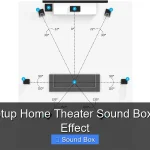
Dolby Atmos adds overhead sound elements to the traditional surround sound setup. Instead of just hearing sound from the left, right, front, and back, you can experience sound from above. This is achieved through what Dolby calls “objects.” In a Dolby Atmos mix, sounds are treated as individual audio objects that can be precisely placed and moved in a three-dimensional space, including the overhead dimension.
Think about a scene with a helicopter flying overhead. With Dolby Atmos, you don’t just hear the helicopter’s sound coming from your front speakers. You’ll hear it precisely above you, moving in space. Or imagine a thunderstorm; you’ll hear the raindrops falling from above and the thunder rolling around you. This creates a significantly more realistic and engaging listening experience that pulls you deeper into the content.
### What You Need for Dolby Atmos
Achieving this immersive experience isn’t just about subscribing to Netflix. It requires a chain of compatible components:
* A Dolby Atmos-enabled audio system: This is the most critical piece. It could be a soundbar with up-firing speakers or Dolby Atmos decoding capabilities, an AV receiver paired with Atmos-compatible speakers, or even specific smart speaker setups.
* A compatible streaming device: Your device that plays Netflix (e.g., a smart TV, streaming stick like Amazon Fire TV Stick 4K, Apple TV 4K, or gaming console) must support Dolby Atmos output.
* A Dolby Atmos-enabled TV: While not always strictly necessary if your streaming device connects directly to your sound system, your TV often plays a role in passing the audio signal. HDMI ARC (Audio Return Channel) or eARC (Enhanced Audio Return Channel) ports are vital here for transmitting high-bandwidth audio formats like Atmos.
* A Netflix plan that supports Dolby Atmos: Not all Netflix subscriptions offer the premium audio experience.
* Content encoded with Dolby Atmos: Finally, the movie or show you’re watching on Netflix must actually have a Dolby Atmos soundtrack.
## Decoding “Sound Box”: What Audio Gear Are We Talking About?
As we mentioned, “Sound Box” is a broad term. To understand Dolby Atmos compatibility, we need to narrow down what kind of audio equipment you might be referring to.
### Soundbars: The All-in-One Solution
Many modern soundbars are designed to deliver a more immersive audio experience. Some are specifically marketed as “Dolby Atmos soundbars.”
* Dolby Atmos Soundbars: These often use a combination of virtual surround sound processing and physical up-firing speakers. The up-firing speakers bounce sound off your ceiling to simulate overhead audio. For true Dolby Atmos, the soundbar needs to be able to decode the Atmos signal itself.
* Standard Soundbars: Many soundbars provide excellent surround sound but lack the dedicated processing or upward-firing drivers needed for true Dolby Atmos. They might offer a wider soundstage but won’t replicate the 3D audio experience.
If your “Sound Box” is a soundbar, check its specifications. Look for mentions of “Dolby Atmos support,” “up-firing speakers,” or specific decoding capabilities. Many of these are great for enhancing your TV audio but might not deliver full Atmos.
### AV Receivers and Home Theater Systems: The Enthusiast’s Choice
For the ultimate in home theater audio, an AV receiver paired with a dedicated speaker system is the way to go.
* Dolby Atmos AV Receivers: These are the brains of a high-end home theater. They are designed to decode a vast array of audio formats, including Dolby Atmos. You’ll then connect these receivers to ceiling speakers or upward-firing modules, in addition to your standard surround sound speaker setup.
* Dedicated Speaker Packages: Many speaker manufacturers offer Dolby Atmos-enabled speaker packages. These might include discrete ceiling speakers or upward-firing modules that sit on top of your existing front speakers.
If your “Sound Box” refers to a more traditional home theater setup with an AV receiver, the compatibility hinges on the receiver’s ability to process Dolby Atmos and the speakers you have connected. For example, you might already have a great surround sound system, but to get Dolby Atmos, you might need to add specific Dolby Atmos surround speakers or upgrade your existing ones.
### Smart Speakers: The Evolving Landscape
Some high-end smart speakers are now capable of delivering Dolby Atmos, or at least a simulation of it.
* Advanced Smart Speaker Systems: Brands like Sonos offer soundbars and speaker systems that support Dolby Atmos. These often combine multiple drivers and intelligent processing to create an immersive soundstage.
* Standalone Smart Speakers: While most smart speakers (like Amazon Echo or Google Nest) are designed for voice commands and general audio playback, they are typically not built to decode and reproduce complex Dolby Atmos signals for movie soundtracks. Some might offer a wider sound than others, but it’s not true Atmos.
If your “Sound Box” is a collection of smart speakers, check their individual specifications. While they excel in many areas, true Dolby Atmos compatibility for movie watching is still a more niche feature for this category. For instance, while Alexa is fantastic for controlling smart home devices and playing music, its compatibility with surround sound systems is a separate consideration from decoding Dolby Atmos for Netflix. Check out our guide on Alexa and surround sound to understand those nuances.
## The Netflix Connection: Subscription and Content
Even with the perfect audio hardware, your Netflix subscription and the content itself play vital roles in whether you can enjoy Dolby Atmos.
### Netflix Subscription Tiers
Netflix offers different subscription plans, and the audio quality varies significantly between them.
* Basic and Standard Plans: These plans typically offer stereo sound or basic surround sound. You won’t get Dolby Atmos from these.
* Premium Plan: To unlock the highest audio and video quality, including Dolby Atmos, you *must* be subscribed to the Netflix Premium plan. This plan offers 4K Ultra HD streaming and the immersive sound experience when available.
So, if you’re on a lower-tier plan, no amount of compatible hardware will get you Dolby Atmos from Netflix. It’s always worth checking your subscription details to ensure you have the right tier.
### Content Availability: Not Everything Has Atmos
This is a crucial point often overlooked. Just because you have a Dolby Atmos-capable setup and the Premium Netflix plan, it doesn’t mean every movie or show will sound like it.
* Dolby Atmos Content: Netflix labels content that supports Dolby Atmos. You’ll often see a “Dolby Atmos” badge on the show or movie’s description page.
* Varying Availability: The number of titles available with Dolby Atmos is growing, but it’s still not exhaustive. Major new releases and popular titles are more likely to have an Atmos track.
Always look for that Dolby Atmos badge on Netflix. If it’s not there, the content will likely play in a standard surround sound or stereo format, even with the best equipment.
## Putting It All Together: Ensuring Compatibility
So, how do you ensure your “Sound Box” is compatible with Netflix Dolby Atmos? It’s a checklist:
### 1. Check Your Audio Hardware
* **Identify your device:** Is it a soundbar, AV receiver, or smart speaker system?
* **Consult the manual or manufacturer’s website:** Look for “Dolby Atmos support” or specific decoding capabilities.
* **For soundbars:** Do they have up-firing speakers or are they advertised as Atmos-enabled?
* **For AV receivers:** Check its specifications for Dolby Atmos decoding.
* **For smart speakers:** Verify if the specific model is designed for this level of audio immersion.
### 2. Verify Your Connections
* **HDMI ARC/eARC is Key:** For the best results, your streaming device (or the TV itself) should be connected to your sound system via HDMI. For Dolby Atmos, using the HDMI ARC or eARC port on both your TV and your sound system is usually essential. This allows the high-bandwidth audio data to be transmitted.
* **Direct Connection:** Ideally, connect your streaming device directly to your Atmos-compatible soundbar or AV receiver if it has enough HDMI inputs. If not, connect it to your TV, and then use HDMI ARC/eARC from the TV to your sound system.
### 3. Confirm Your Netflix Subscription
* **Log in to your Netflix account:** Go to your account settings and check your current subscription plan.
* **Upgrade if necessary:** If you’re not on the Premium plan, you’ll need to upgrade to access Dolby Atmos.
### 4. Scan for Dolby Atmos Content
* **Browse Netflix:** Look for the “Dolby Atmos” badge on movie and show details pages.
* **Be patient:** New content is added regularly, so the library of Atmos titles is always expanding.
## Troubleshooting Common Issues
Even when you think everything is set up correctly, you might run into problems. Here are a few common hiccups:
### No Sound at All
This is frustrating, but often the simplest fix. Ensure all cables are securely connected. If you’re using Bluetooth speakers, check our guide on why your Bluetooth speaker might be connected but has no sound. Sometimes, a simple restart of all your devices (TV, streaming box, sound system) can resolve this.
### Sound but Not Atmos
If you’re getting sound but it doesn’t feel immersive, double-check all the points above:
* **Is the Netflix content actually in Dolby Atmos?**
* **Is your Netflix plan Premium?**
* **Are you using HDMI ARC/eARC correctly?**
* **Is your audio system truly Dolby Atmos capable, not just virtual surround?**
### Crackling or Distorted Sound
This can sometimes be related to bandwidth issues or faulty cables. Ensure your HDMI cables are high-speed and rated for the bandwidth required for Dolby Atmos. Sometimes, a crackling Bluetooth speaker can be due to interference or a low battery, but with wired connections, it’s often about signal integrity.
## The Future of Immersive Audio
Dolby Atmos is rapidly becoming the standard for premium audio experiences in home entertainment. As technology advances, we’ll see more devices incorporating this technology, making it more accessible. Whether you’re looking for the best speaker for your Alexa or a full home theater overhaul, understanding compatibility is key to enjoying the rich, multidimensional sound that Dolby Atmos offers.
The pursuit of great audio is ongoing. Whether it’s for outdoor adventures like kayaking trips or creating an immersive movie night, the right setup makes all the difference. Don’t just watch your favorite shows; experience them with sound that truly surrounds you.
## Conclusion: Your Path to Netflix Dolby Atmos Bliss
So, is your “Sound Box” compatible with Netflix Dolby Atmos? The answer hinges on the specific capabilities of your audio equipment, your Netflix subscription tier, and the content you choose. It’s not a plug-and-play situation for everyone. You need a Dolby Atmos-enabled sound system, the correct connections (usually HDMI ARC/eARC), the Netflix Premium plan, and content that is actually mixed in Dolby Atmos.
By carefully checking your hardware, subscription, and the Netflix library, you can navigate the path to truly immersive, three-dimensional sound. The result? A viewing experience that’s not just seen, but deeply felt, with audio that envelops you from every direction, including above. Happy streaming and listening!
- Dolby Atmos Explained: It’s an immersive audio technology that adds height channels for a 3D sound experience, going beyond traditional surround sound.
- “Sound Box” is Broad: The term “Sound Box” isn’t a specific product category. Compatibility relies on the actual audio device (soundbar, AV receiver, etc.) and its features.
- Hardware is Crucial: You need an audio system (soundbar, home theater receiver, smart speaker system) specifically designed to decode and reproduce Dolby Atmos signals.
- Connection Matters: For Dolby Atmos, a direct connection from your streaming device or TV to your audio system using HDMI ARC/eARC is usually required.
- Netflix Subscription Tier: Not all Netflix plans support Dolby Atmos. You need the Premium plan to access the highest quality audio, including Atmos.
- Streaming Device Support: Your streaming device (e.g., Apple TV, Fire TV Stick, Roku) must also support Dolby Atmos output for Netflix.
- Content Availability: Even with compatible hardware and a subscription, the actual movie or show on Netflix must be encoded with Dolby Atmos audio.
Frequently Asked Questions
What is the difference between Dolby Digital Plus and Dolby Atmos?
Dolby Digital Plus is a common surround sound format, offering up to 7.1 channels. Dolby Atmos builds upon this by adding height channels, creating a three-dimensional soundscape that can be placed anywhere in the audio space, making it more immersive.
Can I get Dolby Atmos with a standard soundbar?
Most standard soundbars offer good surround sound but not true Dolby Atmos. You need a soundbar specifically advertised as “Dolby Atmos compatible,” which often includes up-firing speakers or advanced processing to simulate overhead sound.
Does my TV need to support Dolby Atmos for me to hear it on Netflix?
While it’s ideal, not always. If your streaming device is connected directly to a Dolby Atmos soundbar or AV receiver via HDMI, the TV’s Atmos support might not be strictly necessary. However, using HDMI ARC/eARC between the TV and sound system is usually crucial for passing the Atmos signal.
How do I know if a movie on Netflix has Dolby Atmos audio?
Netflix will display a “Dolby Atmos” badge on the title’s description page if the content is available with that audio format. You’ll need the Premium subscription to access it.
What happens if I have a Dolby Atmos setup but Netflix only offers surround sound for a show?
If the Netflix content is not encoded with Dolby Atmos, your system will simply play the available audio track, which would likely be standard surround sound or stereo. You won’t get the overhead or 3D immersive effects.
Can I use multiple Bluetooth speakers for Dolby Atmos?
Generally, no. Dolby Atmos relies on a tightly synchronized and precisely controlled audio signal that is best delivered through a wired or Wi-Fi-based home theater system or soundbar specifically designed for it. Bluetooth connections typically don’t have the bandwidth or precision for true Dolby Atmos.