Quick Summary: Want to enjoy music outdoors with your Bluetooth speaker? Keep it safe for wildlife by keeping the volume down, avoiding sensitive habitats, and packing it out completely. Protect nature while you play your tunes!
Hey there, tech lovers! Max here from AffTechy.com. We all love our gadgets, right? And for me, nothing beats the freedom of taking my music anywhere. That’s where Bluetooth speakers come in. They’re like magic little boxes that fill our lives with sound, whether we’re at a picnic, hiking a trail, or just chilling in the backyard. It’s so cool how a tiny speaker can pump out tunes that make a whole gathering feel more alive!
But sometimes, using these awesome devices can get a little tricky. You might be wondering, “How loud is too loud?” Or maybe, “What if my speaker bothers the birds?” It’s easy to get caught up in the fun and forget about our surroundings. Don’t worry, though! We’re going to break down exactly how to use your Bluetooth speaker safely, especially when you’re out in nature. Think of this as your friendly guide to enjoying great sound without disturbing the peace of the wild.
I’ve always believed that technology should make our lives better and simpler. That’s why I’m here to cut through all the confusing tech jargon. We’ll cover everything you need to know, from basic settings to smart habits, so you can feel totally confident. Ready to explore how to be a responsible music lover in the great outdoors? Let’s dive in!
Let’s Talk About Sound and Nature
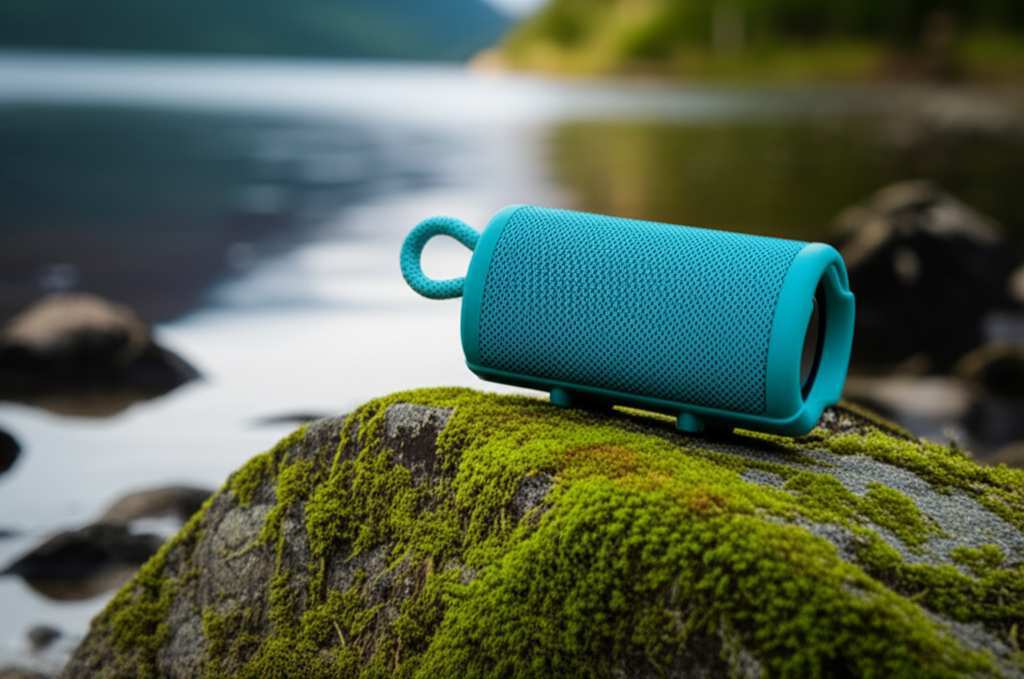
Imagine you’re deep in a beautiful forest. You hear the gentle rustling of leaves, the chirping of birds, maybe a babbling brook. It’s a peaceful symphony of nature. Now, picture someone blasting loud music from a Bluetooth speaker nearby. It can really disrupt that natural calm, right? Wildlife relies on natural sounds to communicate, find food, and stay safe from predators. Loud, artificial noise can scare them, confuse them, and even make them abandon their homes.
It’s not just about scaring animals, either. Some research shows that continuous noise pollution can actually stress out wildlife. Think of it like trying to concentrate in a really noisy room – it’s hard to focus on what’s important. For animals, this can affect their ability to find mates, raise their young, or simply feel secure in their environment. So, when we’re enjoying our tunes, it’s super important to be mindful of the natural soundscape around us.
As a tech enthusiast, I love how portable speakers let us share our favorite playlists. But as someone who also loves the outdoors, I know we have a responsibility to protect it. The good news is, it’s not difficult to find a balance. With a few simple adjustments and mindful habits, you can enjoy your music without causing harm. We’re talking about being a good guest in nature’s home!
Why Safety for Wildlife Matters
When we head outdoors with our tech, it’s easy to forget that we’re entering a different world. A world where animals are just trying to live their lives. Our presence, and especially our noise, can be a big disruption. Think about it: a deer might freeze when it hears a sudden loud sound, but if that sound is constant and coming from a speaker, it might decide to flee its familiar territory altogether. This can be really harmful, especially for young animals or those trying to find food.
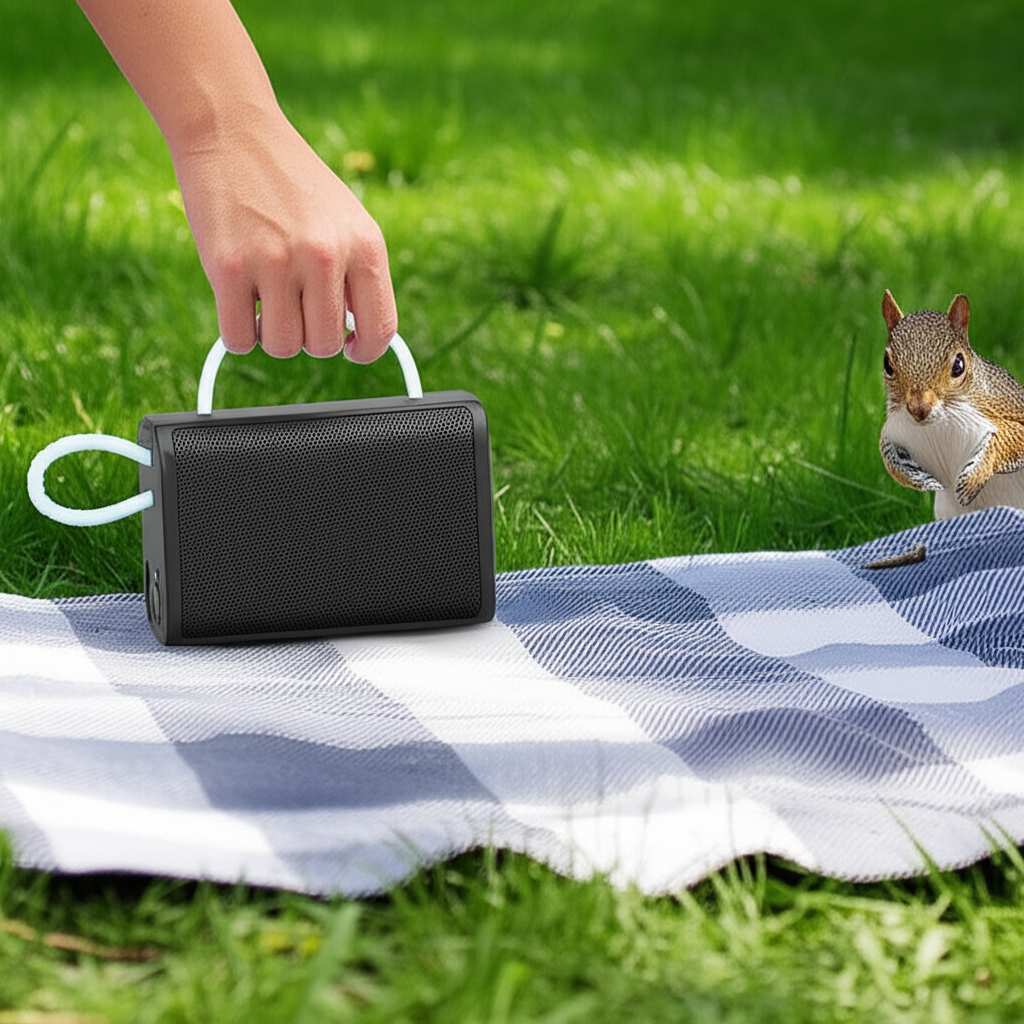
Many animals have sensitive hearing, far more acute than ours. What sounds like background music to us could be an overwhelming, even painful, noise to them. This can disrupt their communication, their breeding patterns, and their overall well-being. For instance, bird songs are crucial for attracting mates and defending territory. If those songs are drowned out by music, birds might struggle to find partners or might give up on nesting in that area.
The goal isn’t to stop enjoying our tech in nature. It’s about using it thoughtfully. It’s about respecting the natural environment and all the creatures that call it home. By making small, conscious choices, we can ensure that our adventures don’t negatively impact the wildlife around us. It’s about being a considerate visitor.
Choosing the Right Speaker for Outdoor Adventures
Not all Bluetooth speakers are created equal, especially when you’re planning to take them outside. Some are built tough to handle a little bit of everything, while others are more delicate. For outdoor use, you’ll want to look for speakers that are durable and can withstand a bit of adventure. Features like water resistance (often rated with an IP code, like IPX7) and dustproofing are super helpful. This means your speaker can handle a splash from a lake or a bit of dust from a trail without breaking down.
Portability is also key. You don’t want to be lugging around a heavy speaker on a hike. Look for compact, lightweight models that are easy to carry in a backpack. Battery life is another big one. You don’t want your music to die halfway through your picnic! Many modern Bluetooth speakers offer 10-20 hours of playback on a single charge, which is usually more than enough for a day out.
When it comes to sound quality, it’s a balance. While you might want powerful bass for a party, for outdoor use, a speaker with clear, balanced sound at moderate volumes is often better. This way, you can enjoy your music without it being overpoweringly loud for the surroundings. Some speakers also offer features like ambient sound modes, which can help you stay aware of your environment while still enjoying your audio.
Key Features to Look For in an Outdoor Speaker
When you’re shopping for a Bluetooth speaker to take on your adventures, there are a few specific features that will make your life (and the lives of local wildlife) much easier. Here’s what to keep an eye out for:
- Durability & Ruggedness: This is paramount for outdoor use. Look for speakers with reinforced casings, shock absorption, and materials that can take a tumble.
- Water and Dust Resistance (IP Rating): An IP rating tells you how well the speaker is protected against solids (like dust) and liquids (like water). For example, an IPX5 rating means it can handle low-pressure water jets, while an IPX7 can be submerged in up to 1 meter of water for 30 minutes.
- Portability and Weight: You’ll be carrying it! Smaller, lighter speakers are much easier to transport. Some even have carabiner clips for attaching to a backpack.
- Battery Life: A speaker that lasts all day (10+ hours) is ideal for longer outings. Check reviews for real-world battery performance, as advertised times can sometimes be optimistic.
- Sound Quality at Moderate Volume: While some might want booming sound, a speaker that produces clear, balanced audio at lower to mid-level volumes is often more considerate for the environment.
- Connectivity Range: A good Bluetooth range (e.g., 30-50 feet) means you don’t have to keep your phone right next to the speaker, giving you more freedom.
- Companion App Features: Some apps allow you to adjust EQ settings, which can help you tailor the sound to be less intrusive, or even limit maximum volume.
Choosing a speaker with these features means you’re investing in a device that’s not only fun but also practical for your outdoor lifestyle. It also sets you up for using it responsibly!
How to Use Your Bluetooth Speaker Safely in Wildlife Areas
Okay, you’ve got your awesome, rugged Bluetooth speaker ready to go. Now, how do you use it in a way that’s safe for the environment and the creatures living there? It’s all about being mindful and making smart choices. Here’s your step-by-step guide:
Step 1: Choose Your Location Wisely
This is perhaps the most crucial step. Think about where you’re setting up your speaker. Are you in a wide-open field where the sound will dissipate? Or are you in a dense forest or near a nesting ground? Avoid areas where wildlife is likely to be present, especially during sensitive times like dawn or dusk when many animals are most active. Parks and nature reserves often have specific rules about noise, so always check local regulations before you go.
If you’re near water, be aware that sound travels differently. Water can reflect and amplify sounds, so what seems quiet to you might be more noticeable to aquatic life or animals on the opposite shore. It’s often best to choose spots that are already somewhat removed from natural habitats. Think picnic tables in designated areas rather than deep into a forest trail.
Step 2: Keep the Volume Down – Way Down!
This is the golden rule. Your speaker might be capable of rattling windows, but that’s not what we want in nature. Aim for a volume that you can comfortably hear without it being intrusive. If you have to shout to be heard over your music, it’s too loud. A good test is to walk a short distance away from your speaker; if you can still hear it clearly, it’s likely too loud for the surrounding environment.
Many speakers have a maximum volume that can be painful for animals. They have much more sensitive hearing than we do. So, imagine what your favorite song sounds like at full blast to a tiny bird or a rabbit. It’s probably terrifying! Keeping the volume at a low to moderate level ensures that your music is for your enjoyment, not a disturbance for everyone else.
Step 3: Be Mindful of Wildlife Activity
When you’re setting up, take a moment to observe your surroundings. Are there birds singing nearby? Are there any animals visible? If you see or hear signs of wildlife, it’s a good cue to either lower your volume even more, or perhaps consider finding a different spot. Especially during breeding seasons or when young animals are present, it’s vital to minimize any potential stress or disruption.
This also applies to areas known for specific wildlife. For example, if you’re near a bird sanctuary, a bat roosting site, or a deer feeding area, it’s probably best to leave your speaker at home or keep it completely off. Respecting these sensitive zones is part of being a good steward of the environment. You can always enjoy your music at home or in more developed areas.
Step 4: Limit Your Playtime and Location
Sometimes, the best approach is to limit how long and where you use your speaker. Instead of playing music continuously for hours, consider using it for shorter bursts, perhaps during a meal break. This reduces the overall exposure of wildlife to artificial noise. Also, stick to areas that are clearly designated for recreation, like picnic spots or campgrounds, rather than venturing into untouched natural areas.
Consider the time of day, too. Very early mornings and late evenings are often when wildlife is most active and most sensitive to noise. Playing music during the peak of the day, when many animals are resting or less active, might be a slightly better option, but always with the volume turned way down. It’s about minimizing impact at all times.
Step 5: Pack It Out – Leave No Trace
This is a fundamental principle of outdoor ethics. Whatever you bring into nature, you must take back out with you. This includes your Bluetooth speaker, its charging cables, and any packaging or accessories. Leaving anything behind can not only be an eyesore but can also pose a hazard to wildlife. Animals might try to eat plastic components or get entangled in wires, which can be fatal.
So, before you leave your spot, do a thorough sweep of the area. Make sure you haven’t left anything behind. Your speaker is a piece of tech, but it needs to be treated like any other item you take camping or hiking – it needs to come home with you. This commitment to “Leave No Trace” ensures that the natural beauty you enjoyed remains for others and for the wildlife that lives there.
Understanding Noise Levels and Wildlife Impact
It’s not just about loud music; it’s about the type and duration of noise too. Human-made noise, like music from a speaker, can be particularly disruptive because it’s often sudden, unpredictable, and at frequencies that can interfere with animal communication. For instance, some studies have found that background noise from human activities can decrease the distance at which birds can hear each other’s calls by over 50%!
Here’s a quick look at how different noise levels can affect wildlife. This is a simplified view, as actual impact depends on many factors like the species, the habitat, and the time of year.
| Decibel (dB) Level (Approx.) | Description | Potential Wildlife Impact |
|---|---|---|
| 0-30 dB | Very Quiet (e.g., rustling leaves, whisper) | Minimal to no impact. Can blend with natural sounds. |
| 30-50 dB | Quiet (e.g., normal conversation, quiet room) | Low impact if consistent. May cause slight avoidance in very sensitive species. |
| 50-70 dB | Moderate (e.g., inside a car, busy office) | Can disrupt communication for many species. May cause stress and alter behavior patterns. This is where most moderate music volumes fall. |
| 70-90 dB | Loud (e.g., lawnmower, heavy traffic) | Significant disruption. Can mask important natural sounds, causing fear and forcing animals to flee. Can cause physical discomfort or stress. |
| 90+ dB | Very Loud (e.g., concert, jackhammer) | Extreme disruption. Can cause permanent hearing damage in animals and humans. Forces wildlife to abandon the area entirely. This is far too loud for any natural setting. |
As you can see from the table, even moderate noise levels can have an effect. The key takeaway is that keeping your speaker at a volume where you can barely hear it when you’re a short distance away is usually the safest bet. Think of it as background ambiance, not a concert! For more in-depth information on noise pollution and its effects, you can check out resources from organizations like the National Park Service or environmental science journals.
Quick Tips for Responsible Speaker Use
Want to be a hero for wildlife and still enjoy your tunes? Here are some super simple tips to keep in mind:
- Use Headphones: If you’re hiking alone or want personal music, headphones are the absolute best way to enjoy audio without disturbing anyone or anything else.
- Stick to Designated Areas: When visiting parks or natural spaces, use your speaker in picnic areas, campgrounds, or other zones meant for recreation. Avoid trails, beaches, or viewpoints where wildlife might be present.
- Check Local Rules: Many parks and natural areas have specific rules about amplified sound. A quick look at their website or a call to the ranger station can save you trouble and protect wildlife.
- Be Aware of Your Surroundings: Before you even turn on your speaker, take a minute to listen and look. Are there animals around? Are you in a quiet, peaceful spot?
- Lower Volume by Default: Make it a habit to start your speaker at a very low volume and only increase it slightly if absolutely necessary.
- Use a Speaker with Good Directionality: Some speakers are designed to project sound more directionally. This can help keep the sound focused where you want it and less spread out into the environment.
- Consider Nature Sounds: Sometimes, instead of music, you might want to play ambient nature sounds for relaxation. Even then, keep the volume low and ensure it doesn’t interfere with actual local wildlife sounds.
These little habits add up to a big difference. They show respect for the natural world and help ensure that these beautiful places remain pristine for both people and animals.
A Quick Look at Portable Speaker Options
The market is flooded with Bluetooth speakers, which is great for choice! But it can also be overwhelming. When thinking about outdoor use and wildlife safety, some types of speakers are naturally better suited. Here’s a quick comparison of common types:
| Speaker Type | Typical Features for Outdoor Use | Pros for Wildlife Safety | Cons for Wildlife Safety |
|---|---|---|---|
| Rugged/Outdoor Speakers | IPX7 waterproof, dustproof, shockproof, long battery life, often with carabiner clips. | Built for the elements, so less likely to be damaged if placed in a slightly damp area. Lower risk of accidental damage. | Can still be loud if volume is not controlled. |
| Portable Mini Speakers | Very small, lightweight, easy to carry. | Their smaller size often means they aren’t designed for extreme volume, making them naturally quieter. Easy to pack away quickly. | Sound quality might be less rich, and they may not have robust water/dust resistance. |
| Smart Speakers (e.g., Echo Dot, Google Nest Mini) | Wi-Fi and Bluetooth connectivity, voice control. | Usually used indoors or in very controlled settings. Their reliance on Wi-Fi makes them less ideal for remote outdoor use. If used, volume is generally easier to control via app. | Not durable for outdoor conditions. Not portable without power source/Wi-Fi. |
| Large Party Speakers | High wattage, powerful bass, designed for volume. | Generally not suitable for wildlife areas due to their high output. | Their primary purpose is loud sound, making them inherently problematic for nature. |
When choosing, think about your typical outdoor activities. If you’re mostly going to parks or beaches, a rugged outdoor speaker is a solid bet. If you’re going on serious hikes and want just a bit of background music, a mini speaker might be perfect. For more on choosing the right speaker, sites like CNET and TechRadar offer fantastic reviews and buying guides.
Frequently Asked Questions (FAQ)
Q1: Can my Bluetooth speaker really harm wildlife?
A: Yes, it can! Loud or continuous noise from speakers can scare animals, disrupt their communication and breeding, cause stress, and make them avoid their natural habitats. It’s like a constant, annoying disturbance to their lives.
Q2: What’s the safest volume to play music at in nature?
A: The safest bet is to play it at a very low to moderate volume. If you can comfortably hear it without raising your voice and someone a short distance away can barely hear it, that’s usually a good level. If you can hear natural sounds around you, you’re probably in a good range.
Q3: Are there specific times of day or places I should avoid using my speaker?
A: Yes! It’s best to avoid using speakers near dawn and dusk, as many animals are most active then. Also, steer clear of sensitive habitats like nesting sites, dense forests, or quiet meadows. Stick to designated picnic areas or campgrounds where human activity is expected.
Q4: What if my speaker gets wet or dirty? Will it still be safe for wildlife?
A: While a water-resistant speaker is great for you, the speaker itself getting wet or dirty doesn’t directly harm wildlife. The main concern is the sound it produces and leaving parts of it behind. Always make sure your speaker is packed out completely, regardless of its condition.
Q5: Should I use headphones instead of a speaker when I’m in nature?
A: Headphones are an excellent alternative! They allow you to enjoy your music or podcasts without emitting any sound that could disturb wildlife or other people seeking peace in nature. It’s the most considerate option for solitary enjoyment.
Q6: What does “Leave No Trace” mean for my speaker?
A: It means you must take your speaker and all its accessories (cables, chargers, packaging) back home with you. Never leave it behind, even if it’s broken. This prevents litter and potential hazards for animals.
Q7: Are there any Bluetooth speakers specifically designed to be wildlife-friendly?
A: While there aren’t speakers “designed” for wildlife-friendliness in terms of sound output (as any speaker can be too loud), choosing smaller, less powerful, or more rugged speakers that encourage lower volume use is a step in the right direction. The “friendliness” comes from how you choose to use it.
Conclusion: Enjoy Your Sound, Respect the Wild
So there you have it! Using your Bluetooth speaker safely and responsibly in wildlife areas is totally achievable. It’s all about making conscious choices: picking the right spot, keeping the volume at a considerate level, being aware of the creatures around you, and always packing out everything you bring in. It’s about being a thoughtful visitor in nature’s home.
Remember, the goal is to enhance your experience without detracting from the natural beauty and peace that draws us outdoors in the first place. By following these simple tips, you can enjoy your favorite playlists, podcasts, or audiobooks while ensuring that you’re not causing harm or distress to the local wildlife. It’s a win-win situation!
Now you’re equipped with the knowledge to be a responsible tech user in the great outdoors. Go forth, explore, and enjoy the amazing sounds of both nature and your favorite tunes, all while keeping our wild friends safe. Happy listening, and happy adventuring!