
Protect your Bluetooth speaker from water splashes with simple, effective methods! Keep your tunes safe by using waterproof cases, avoiding wet environments, and checking IP ratings. It’s easy to keep your speaker sounding great, even near the pool or shower.
Hey there, tech lovers! It’s Max from AffTechy.com, your go-to friend for making gadgets simple and fun. You know how much we love our portable Bluetooth speakers, right? They bring the party wherever we go, filling our lives with music, making movie nights epic, and even turning mundane chores into dance sessions. But let’s be real, sometimes life gets a little splashy, and our speakers can be vulnerable.
Picking out the perfect speaker can feel like a puzzle sometimes, with all the different features and numbers. But don’t worry, that’s why I’m here! My goal is always to break down the tech stuff so it’s as easy to understand as your favorite song. Today, we’re tackling a super important topic: keeping your beloved Bluetooth speaker safe from water and splashes.
We’ll go through some easy tricks and tips to make sure your speaker can handle a little bit of moisture, or even a good dunk, without skipping a beat. It’s all about making smart choices so you can enjoy your music without the worry. Ready to dive in and learn how to give your speaker its own personal splash guard? Let’s make this simple and fun!
Why Your Bluetooth Speaker Needs a Little Extra Care
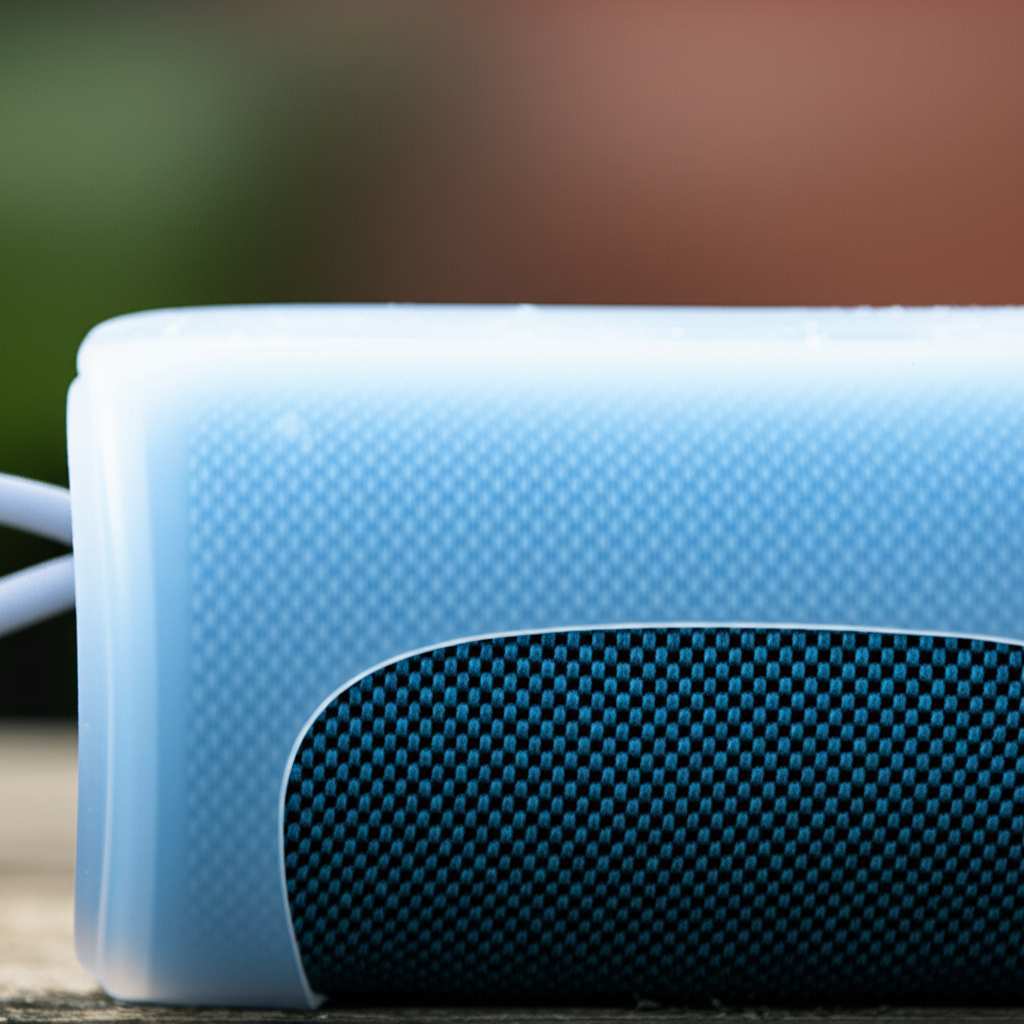
Think about it: speakers are designed to make sound. They have delicate parts inside that don’t always play nicely with water. Even a little bit of moisture can cause trouble. This can lead to crackling sounds, speakers that stop working altogether, or even permanent damage.
That’s why understanding how to protect them is key. It’s not just about saving money on a new speaker; it’s about keeping the gear you love working for as long as possible. Plus, knowing your speaker is safe lets you use it in more places, like the beach or by the pool, without constantly looking over your shoulder.
We’ve all been there, right? You’re at a BBQ, someone splashes a drink, or you’re singing along in the shower, and suddenly you’re holding your breath, hoping your speaker survives. My goal today is to give you the confidence to enjoy your music anywhere, worry-free. Let’s get started on making your speaker splash-proof!
What’s an IP Rating Anyway? Your Speaker’s Water-Resistant Report Card
You’ve probably seen those letters and numbers on speaker packaging, like “IPX7” or “IP67.” These are called IP ratings, and they’re super important! IP stands for Ingress Protection. It’s a standard way to tell you how well something is protected against things like dust and water.
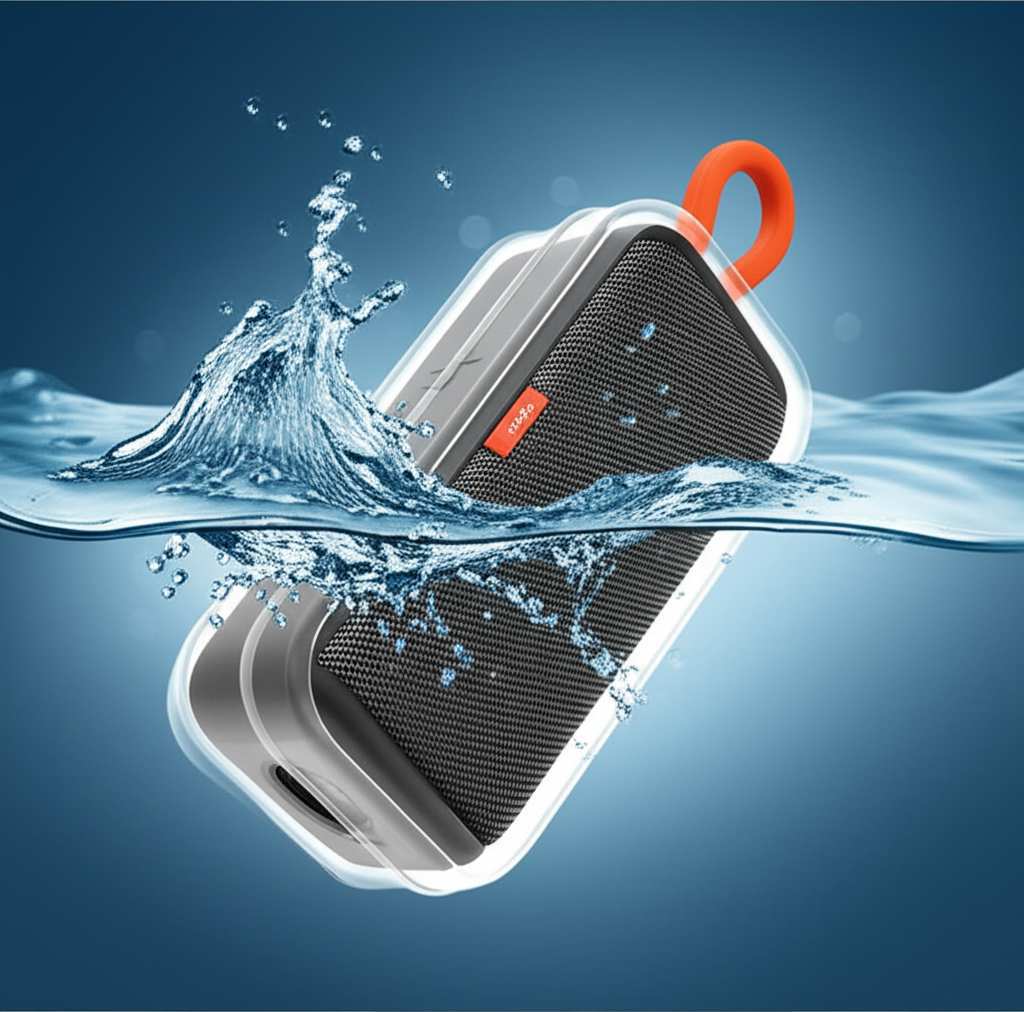
Think of it like a report card for your speaker’s toughness. The first number usually tells you about dust protection, and the second number tells you about water protection. Higher numbers mean better protection. This is your first line of defense when choosing a speaker that might get wet.
For example, a speaker with an IPX4 rating can handle splashes from any direction, like rain or sweat. That’s pretty good for a workout or a light drizzle. But an IPX7 rating means the speaker can be submerged in up to one meter of water for about 30 minutes! That’s what you want for pool parties or shower concerts.
Here’s a quick cheat sheet for the water protection numbers:
| IP Rating Number | Protection Level | What It Means for Your Speaker |
|---|---|---|
| IPX0 | No protection | Water will damage it. Keep it dry! |
| IPX1 | Dripping water | Can handle light drips, like condensation. |
| IPX2 | Falling water (15° tilt) | Can handle water falling at an angle. |
| IPX3 | Spraying water | Can handle light rain or spray. |
| IPX4 | Splashing water | Can handle splashes from any direction. Great for workouts! |
| IPX5 | Water jets | Can handle low-pressure water jets. Think a gentle hose. |
| IPX6 | Powerful water jets | Can handle strong water jets. Good for boats or car washes. |
| IPX7 | Immersion (up to 1m) | Can be submerged in water up to 1 meter deep for 30 minutes. Pool party ready! |
| IPX8 | Continuous immersion | Can be submerged for longer periods or deeper than 1 meter. The ultimate water resistance. |
So, when you’re shopping for a new speaker and want to use it near water, always look for that IP rating. The higher the second number, the safer your speaker will be from those unexpected splashes or even accidental drops into the pool. It’s a simple detail that makes a huge difference!
Choosing a Speaker That Loves Water
If you know you’ll be using your speaker around water a lot, like at the beach, by the pool, or even in the bathroom, then choosing a speaker with a good IP rating is your first and best line of defense. Many brands now make fantastic speakers that are built to be waterproof or at least highly water-resistant.
Look for speakers that specifically mention being waterproof. Brands like JBL, Ultimate Ears (UE), and Sony offer a great range of durable, water-friendly options. They often have a rugged design too, which adds to their toughness. It’s like buying a smartphone that’s already waterproof – you just feel more relaxed using it.
When you’re checking out different models, don’t just glance at the IP rating. Read reviews! See what other people say about how the speaker holds up in real-world wet conditions. Sometimes a speaker might have a good rating but still have some quirks when it gets wet, like muffled sound or connectivity issues.
Here’s a little comparison of popular speaker types and their typical water resistance:
| Speaker Type | Typical IP Rating | Best For | Water Protection Notes |
|---|---|---|---|
| Standard Portable Speaker | IPX0 to IPX3 | Indoor use, desks, quiet rooms | Avoid any water contact. |
| Rugged/Outdoor Speaker | IPX4 to IPX6 | Light outdoor use, patios, gym | Good for splashes, light rain. |
| Waterproof Speaker | IPX7 to IPX8 | Pool parties, beach trips, showers, boating | Can handle submersion. Often floats! |
| Smart Speaker (Indoor) | IPX0 | Kitchen, living room | Keep away from sinks and spills. |
This table shows you that if your main concern is avoiding water damage, a speaker designed for it is your best bet. It’s like picking the right tool for the job. A hammer isn’t great for screwing in a nail, and a non-waterproof speaker isn’t great for a pool party. Choosing wisely upfront saves you a lot of hassle later.
When Your Speaker Isn’t Waterproof: Safe Splash Guard Solutions
Okay, so what if you already have a great speaker that isn’t designed to be waterproof? Don’t panic! There are still plenty of ways to protect it from splashes and keep the music playing. It’s all about being a little creative and using some simple accessories.
One of the easiest and most effective ways is to use a waterproof case or pouch. These are usually made of clear, flexible plastic and have a secure seal. You can put your speaker inside, seal it up, and then you can even operate the controls through the plastic! It’s like giving your speaker its own personal bubble.
These cases are great because they offer a high level of protection without costing a fortune. You can find them online or at electronics stores. Make sure to get one that’s the right size for your speaker, so it fits snugly and the seal can close properly.
Another simple trick is to use a waterproof bag, like a dry bag often used for kayaking or camping. You can place your speaker inside and cinch it shut. While you might not be able to control it through the bag, it provides excellent protection when you’re not actively using it, or if you just want to keep it safe from a sudden downpour.
Don’t forget the power of strategic placement! When you’re at a picnic or a BBQ, try to keep your speaker away from the edge of tables where drinks might be spilled. If you’re using it outdoors, try to keep it under a canopy or umbrella if there’s any chance of rain. These small actions can prevent a lot of potential problems.
DIY Splash Guard Ideas for Your Speaker
Feeling a little crafty? You can even create some simple DIY splash guards for your speaker. These won’t make it fully waterproof, but they can offer a good layer of defense against accidental splashes.
One idea is to use a sturdy plastic container that’s slightly larger than your speaker. You can cut a hole in the side for the speaker’s grille, allowing sound to escape. Then, you can place the speaker inside the container. This creates a barrier against direct splashes. Just make sure the container doesn’t muffle the sound too much!
Another DIY approach involves using a thick, waterproof fabric. You can create a custom cover for your speaker that you can slip on when you’re in a splash-prone area. This is especially useful if your speaker has a unique shape that makes finding a standard case difficult.
Remember, with DIY solutions, always test them out first. Place your speaker inside your creation and gently spray a little water on it to see how well it protects. You don’t want to discover a flaw when your speaker is already in trouble!
Keeping Your Speaker Safe Near Chlorine and Saltwater
Chlorine in pools and salt in the ocean can be really harsh on electronics. Even if a speaker is rated as waterproof, prolonged exposure to these chemicals isn’t ideal. The seals and materials can degrade over time. So, what’s the best way to handle these situations?
For pool parties, the best approach is still to use a high-quality waterproof speaker (IPX7 or higher) and keep it as far from the direct splash zone as possible. If you’re using a waterproof case, make sure it’s rated for saltwater and chlorine if possible, or at least that it has a really tight seal.
After your speaker has been exposed to pool water or saltwater, it’s a good idea to rinse it off with fresh water. Gently wipe it down with a damp cloth, and then dry it thoroughly. This helps remove any lingering salt or chlorine residue that could cause damage over time.
Think of it like rinsing off your own skin after swimming in a chlorinated pool. You do it to protect yourself, and doing it for your speaker helps protect its components. It’s a small step that contributes to its longevity.
Tips for Using Your Speaker Safely Outdoors
When you take your Bluetooth speaker outside, you’re opening it up to more than just water splashes. You’ve got dust, sand, dirt, and potentially more extreme weather to think about. Here are some tips to keep it safe and sound:
Check the weather: Before you head out, take a quick look at the forecast. If there’s a chance of heavy rain or storms, it might be best to leave your speaker at home or make sure it’s in a fully waterproof container.
Elevate your speaker: Keep your speaker off the ground. Sand and dirt can easily get into ports and grilles. Placing it on a table, a picnic blanket, or even a small stool can make a big difference.
Beware of sand: Sand is sneaky! It can get into everything. If you’re at the beach, try to keep your speaker away from the sand directly. If it does get sandy, gently brush it off with a dry, soft brush before putting it away. Never try to blow sand out with your mouth, as moisture from your breath can cause problems.
Protect from sun: While not a direct water issue, prolonged exposure to intense sun can sometimes damage the materials of a speaker, especially rubber parts. Keeping it in the shade when possible is a good idea.
* Charge responsibly: Make sure your charging port is completely dry before plugging in a charger. Moisture in the charging port can cause corrosion and damage the charging system.
These outdoor tips are all about proactive care. By thinking ahead and taking simple precautions, you can significantly reduce the risk of damage and ensure your speaker keeps performing brilliantly.
What to Do if Your Speaker Gets Wet
Accidents happen, and sometimes even the most careful among us end up with a wet speaker. If this happens, don’t panic! Here’s what you should do immediately:
1. Turn it off immediately: If the speaker is still on, power it down right away. This prevents short circuits.
2. Disconnect from power: If it’s plugged in or charging, unplug it immediately.
3. Dry the exterior: Gently wipe down the outside of the speaker with a soft, dry cloth. Get into all the nooks and crannies.
4. Shake out excess water: If water got into any openings, gently shake the speaker to try and get as much out as possible. Do this carefully to avoid spreading water further inside.
5. Empty ports: If you can see water in charging ports or headphone jacks, try to gently dab it out with a cotton swab or a corner of a dry cloth. Don’t push anything into the ports.
6. Let it air dry: Place the speaker in a dry, well-ventilated area. You can position it so any openings are facing downwards to allow gravity to help. Leave it to air dry for at least 24-48 hours. Patience is key here!
7. Avoid heat: Do NOT use a hairdryer, oven, or microwave to dry your speaker. Excessive heat can damage the internal components.
8. Test cautiously: After it’s completely dry, try turning it on. If it works, great! If not, or if it sounds strange, it might be time to contact the manufacturer or a repair professional.
This process is especially important for speakers that aren’t rated for water resistance. For speakers with high IP ratings that have been submerged, follow the manufacturer’s specific instructions, which might be similar but often involve immediate rinsing with fresh water and then drying.
Frequently Asked Questions About Protecting Your Bluetooth Speaker
Q1: Can I use my regular Bluetooth speaker in the shower?
A1: It’s generally not recommended unless your speaker has a high IP rating (like IPX7 or IPX8). Regular speakers are not designed to withstand the steam and moisture in a bathroom, which can cause damage over time.
Q2: What does IPX4 mean for my speaker?
A2: IPX4 means your speaker is protected against splashes of water. So, if someone accidentally spills a drink near it or it gets hit by light spray, it should be okay. It’s not meant for submersion, though!
Q3: Will chlorine damage my waterproof speaker?
A3: While a speaker with a high IP rating can handle being submerged, prolonged or frequent exposure to chlorine can degrade the seals and materials. It’s best to rinse it with fresh water after pool use and dry it thoroughly.
Q4: How can I improve the sound quality if my speaker gets wet?
A4: If your speaker sounds muffled after getting wet, ensure it’s completely dry, especially the speaker grilles. Sometimes, water trapped in the fabric or mesh can affect the sound. If it persists after drying, there might be internal damage.
Q5: Are waterproof cases effective for all Bluetooth speakers?
A5: Waterproof cases are very effective for protecting most portable Bluetooth speakers. Just make sure you get the right size and ensure the seal is properly closed every time. They offer excellent protection against splashes and even submersion.
Q6: What’s the difference between water-resistant and waterproof?
A6: Water-resistant means it can withstand some exposure to water, like splashes or light rain (often IPX4-IPX6). Waterproof means it can be submerged in water for a specified period and depth (often IPX7-IPX8). Waterproof offers a much higher level of protection.
Q7: Can I take my speaker on a boat?
A7: Yes, but it’s wise to use a speaker with at least an IPX5 rating or higher, or place it in a waterproof case. Boats can experience splashes, spray, and even larger waves, so robust protection is recommended.
Conclusion: Keep the Music Flowing, Worry-Free!
So there you have it! Protecting your Bluetooth speaker from water splashes is totally achievable, whether you’re buying a new one or looking after the one you already have. We’ve learned all about those handy IP ratings, explored waterproof cases and DIY tricks, and even talked about how to handle chlorine and saltwater.
Remember, a little bit of care goes a long way. By choosing wisely, using protective accessories, and following some simple tips, you can ensure your speaker keeps delivering awesome sound for all your adventures. You’ve got the knowledge now to keep your music safe, no matter where life takes you.
Now go enjoy that amazing sound and make every moment louder and better, splash or no splash! Happy listening!


