Tired of your Bluetooth cutting out on bike rides? These simple fixes will keep your music and calls flowing smoothly, no matter the terrain. Get ready for uninterrupted audio fun!
Hey there, fellow riders and tech fans! Max here from AffTechy.com, your go-to spot for making technology easy and fun. You know how it is – you’re out on your bike, wind in your hair, favorite tunes pumping, and then BAM! Your Bluetooth connection drops. It’s super frustrating, right? Whether it’s your headphones, speakers, or even your phone for navigation, a shaky connection can really ruin a great ride.
Picking out the right gadgets can feel like a puzzle sometimes. There are so many options, and all those technical terms can make your head spin. But don’t worry! I’m here to help. We’ll break down why Bluetooth might be acting up on your bike and give you some awesome, easy fixes. Think of me as your friendly tech guide, making sure your ride stays connected and your tunes stay loud.
So, let’s dive in and figure out how to get your Bluetooth connection as smooth as a freshly paved bike path. We’ll cover everything from simple settings to gear choices. Ready to make every ride an audio adventure? Let’s get started!
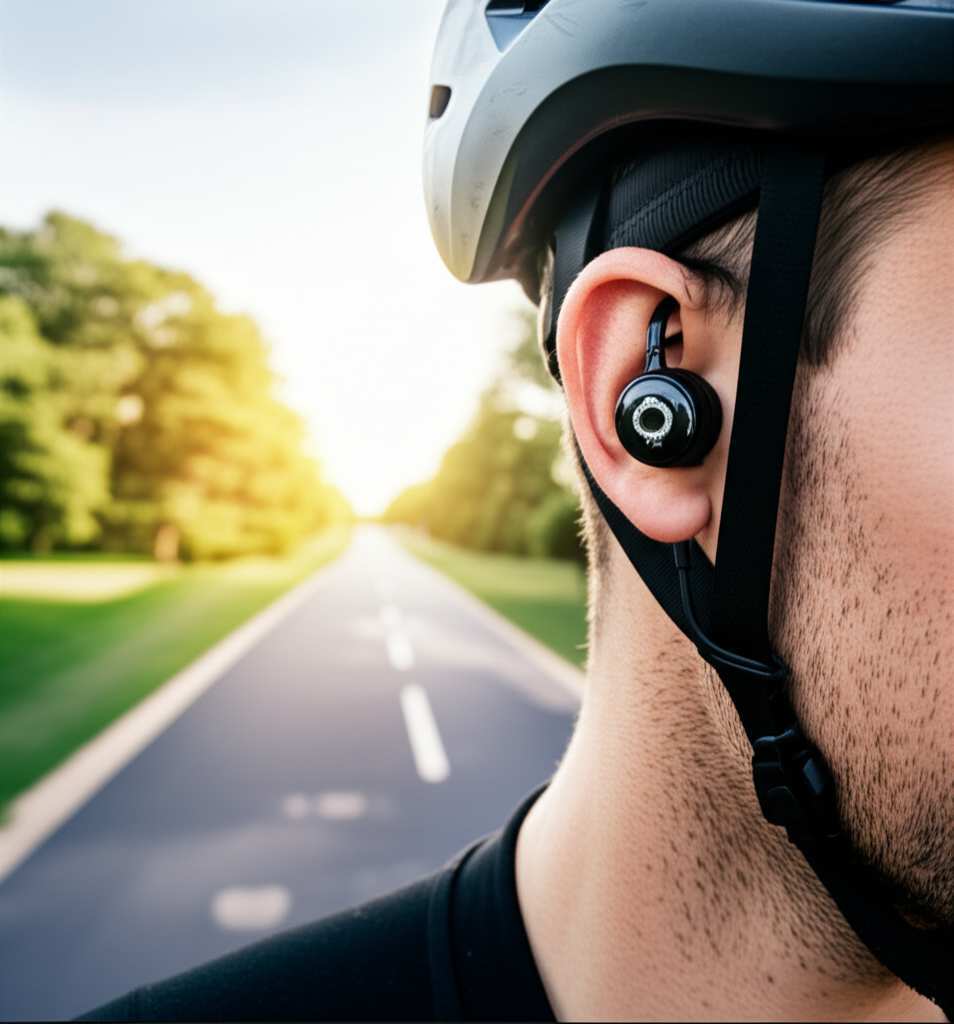
Why Does Bluetooth Get Wonky on a Bike Anyway?
It’s a question many of us ask when our music skips or our calls drop mid-pedal. Bikes aren’t exactly static environments, are they? You’re moving, your devices are moving, and there’s a whole lot of other stuff around you.
Think about it: your phone is probably in a pocket or a bag. Your headphones are on your ears. Your bike itself has a metal frame. All these things can actually interfere with that invisible Bluetooth signal. It’s not magic; it’s physics!
The Invisible Signal: What is Bluetooth?
Bluetooth is a wireless technology that uses radio waves to connect devices over short distances. It’s super handy for things like wireless headphones, speakers, and smartwatches. But these radio waves can be a bit sensitive.
They can be blocked or weakened by things like other electronic devices, physical barriers, and even your own body. On a bike, you’ve got all of these working against a strong signal. It’s like trying to whisper across a noisy stadium – sometimes, the message just doesn’t get through clearly.
Common Culprits Behind Dropped Connections
So, what exactly is messing with your Bluetooth bliss while you’re out cycling? Let’s look at the usual suspects. Understanding these can help us find the best fixes.
Interference is a Big One
Other wireless devices can cause trouble. Wi-Fi routers, microwaves, and even other Bluetooth devices nearby can send out signals that clash with yours. It’s like trying to have a conversation when everyone around you is shouting.
Your own body can also block the signal, especially if your phone is in a back pocket and your headphones are on your ears. That signal has to travel through you! And let’s not forget the bike itself – metal frames can sometimes act like a shield.
Distance Matters (Even a Little!)
Bluetooth has a limited range. While it’s great for connecting your phone to your headphones, it’s not meant for connecting across a football field. If your device is too far from your phone, the signal gets weak.
On a bike, your phone might be in a jersey pocket, and your earbuds are in your ears. This is usually fine, but if you have a larger device or you’re moving your phone around a lot, distance can become a factor.
Low Battery Blues
Just like your phone needs power to run, your Bluetooth devices do too. When batteries get low on either your phone or your connected device (like headphones), their performance can suffer. This includes their ability to maintain a strong, stable connection.
A device struggling with a low battery might not have enough power to transmit a clear, strong signal. It’s like trying to talk with a sore throat – you just can’t project as well.
Outdated Software Woes
Sometimes, the issue isn’t with the hardware but with the software. Your phone’s operating system or the firmware on your Bluetooth device might have bugs or be out of date. These can cause all sorts of connection problems.
Manufacturers often release updates to fix these issues. Ignoring them can leave you vulnerable to connectivity glitches. It’s like driving a car with an old map – you might miss the best routes!
Amazing Fixes to Keep Your Bluetooth Rock Solid
Now for the good stuff! We’ve identified some common problems, so let’s get to the solutions. These tips are designed to be super easy to follow, even if you’re not a tech wizard.
1. Strategic Device Placement: The Sweet Spot
This is probably the easiest fix and often the most effective. Think about where your phone and Bluetooth device are. Try to keep them as close and unobstructed as possible.
Phone Placement: If possible, keep your phone in a front pocket or a handlebar-mounted phone holder. This minimizes the distance and reduces the chance of your body or the bike frame blocking the signal.
Headphones vs. Speakers: For headphones, the ear-to-phone distance is usually minimal. If you’re using a bike speaker, try mounting it closer to your phone or ensure there’s a clear line of sight.
Here’s a little fact: Bluetooth signals are typically strongest when there’s a direct line of sight between devices. Anything that gets in the way, like your body or metal, can weaken it. So, less obstruction equals a stronger signal!
2. Tame the Interference: Declutter the Airwaves
If you’re in an area with lots of wireless signals, you might be experiencing interference. Here’s how to minimize it.
Turn Off Unused Bluetooth: On your phone, turn off Bluetooth if you’re not using any Bluetooth devices. This reduces the number of signals your phone is managing.
Disable Other Wireless Features: If you’re not actively using Wi-Fi or other wireless connections, consider turning them off temporarily. This can free up bandwidth for your Bluetooth connection.
Avoid High-Interference Zones: If you consistently have issues in a specific area (like near a busy intersection with many cars and phones), try to be aware of it. Sometimes, simply moving a few feet can make a difference.
This is like trying to hear your friend in a crowded party. Turning down the music or moving to a quieter corner helps you focus on the important conversation.
3. Keep Those Batteries Charged: Power Up!
This one is simple but crucial. Low battery levels can cripple Bluetooth performance.
Charge Both Devices: Make sure both your phone and your Bluetooth audio device (headphones, speaker) are fully charged before you head out for a ride.
Carry a Power Bank: For longer rides, a portable power bank is a lifesaver. You can top up your phone’s battery and keep your audio device charged too.
It’s amazing how much better devices perform when they have plenty of juice! A fully charged device can transmit a stronger, more stable signal.
4. Update Everything: Software to the Rescue
Outdated software is a common cause of connectivity issues. Keeping things updated can work wonders.
Update Your Phone’s OS: Regularly check for and install operating system updates for your smartphone. These often include improvements to Bluetooth performance and stability.
Update Bluetooth Device Firmware: Many modern Bluetooth headphones and speakers have companion apps. Check these apps for firmware updates for your audio device.
Reset Bluetooth Settings: Sometimes, a simple reset can clear up glitches. On your phone, you can often “forget” a Bluetooth device and then re-pair it.
Think of software updates like giving your devices a tune-up. They fix bugs and make everything run more smoothly.
5. Re-Pairing is Caring: The Classic Reboot
If a device is acting up, sometimes the best solution is to “forget” it and start fresh.
Forget and Re-Pair: Go into your phone’s Bluetooth settings. Find the problematic device, select “Forget Device” or “Unpair.” Then, put your Bluetooth device back into pairing mode and reconnect it to your phone.
Restart Devices: A simple restart of both your phone and your Bluetooth device can often resolve temporary glitches. Turn them off, wait a few seconds, and turn them back on.
This is like shaking hands with someone new. You’re establishing a fresh, clean connection, clearing away any previous misunderstandings.
6. Choose the Right Tech: Your Gear Matters
Not all Bluetooth is created equal. The quality of your devices can make a big difference.
Bluetooth Version: Newer Bluetooth versions (like Bluetooth 5.0 and above) offer better range, faster speeds, and more stable connections compared to older versions.
Device Quality: Higher-quality headphones or speakers often have better antennas and more robust Bluetooth chipsets, leading to a more reliable connection.
Water/Sweat Resistance: While not directly related to connection stability, choosing devices that can handle the elements means you won’t have to worry about moisture causing issues.
Check out reviews from trusted tech sites like CNET or TechRadar for recommendations on durable and high-performing Bluetooth gear. They often test devices in real-world conditions.
7. Consider a Dedicated Bike Mount or Case
If your phone is bouncing around in a backpack or a poorly secured pocket, it can disrupt the signal.
Handlebar Mounts: These keep your phone stable and in a consistent position, often with a clear line of sight to your audio device.
Armbands or Pockets: Similar to a handlebar mount, these keep your phone close and secure.
A stable phone means a stable signal. Plus, you can easily see your screen for navigation or music control!
8. Experiment with Audio Codecs (For the Tech-Savvy!)
This is a bit more advanced, but if you’re curious, you can sometimes influence the Bluetooth audio quality and stability through audio codecs.
What are Codecs? Codecs are algorithms that compress and decompress audio data for transmission. Common ones include SBC (standard), AAC (common on Apple devices), and aptX (common on Android).
How to Check/Change: On Android phones, you can often find codec settings within the Bluetooth developer options. You might be able to switch to a different codec to see if it improves stability.
Why it Matters: Some codecs are more efficient or more stable than others. While SBC is universally compatible, others might offer better performance on compatible devices.
Don’t worry if this sounds confusing! For most beginners, the default settings work fine. If you’re experiencing persistent issues, it’s something to explore.
Data Snapshot: Bluetooth Version Comparison
To give you a better idea of why newer tech can help, let’s look at how Bluetooth versions stack up. This table shows some key improvements.
| Feature | Bluetooth 4.2 | Bluetooth 5.0 | Bluetooth 5.2 |
|---|---|---|---|
| Speed | Up to 1 Mbps | Up to 2 Mbps (2x faster) | Similar to 5.0, but with LE Audio enhancements |
| Range | Up to 10 meters (33 feet) | Up to 40 meters (131 feet) (4x further) | Similar to 5.0, with improved efficiency |
| Power Efficiency | Good | Much Improved | Even Better |
| Data Transfer | Standard | Enhanced | Optimized for new audio features |
As you can see, Bluetooth 5.0 and later versions offer significant improvements in speed and range. This means a stronger, more reliable connection for your music and calls while biking. If your phone or headphones are older, upgrading could be a great solution!
Troubleshooting Table: Quick Fixes for Common Problems
Sometimes, you just need a quick guide to solve a specific issue. Here’s a handy table to help you out.
| Problem | Likely Cause | Quick Fixes |
|---|---|---|
| Audio Stuttering/Cutting Out | Interference, low battery, distance | Move devices closer, charge batteries, turn off other wireless signals, re-pair device. |
| Device Not Connecting | Not in pairing mode, already connected elsewhere, software glitch | Ensure device is in pairing mode, disconnect from other devices, restart both devices, forget and re-pair. |
| Poor Sound Quality | Weak signal, incompatible codec, low battery | Improve device placement, try different codec (Android), ensure full battery charge. |
| Connection Drops Randomly | Interference, software bug, overheating | Reduce interference, update software, ensure devices aren’t overheating, try different placement. |
This table should give you a good starting point for most common Bluetooth headaches. Remember, a stable connection often comes down to keeping your devices happy and healthy!
Real-World Scenarios: Max’s Bike Adventures
I remember one time I was on a long trail ride, listening to a podcast. My phone was in my back jersey pocket. Suddenly, the audio started skipping like crazy. I tried moving my phone to my front pocket, and like magic, the skipping stopped! It was a simple move, but it completely solved the problem. That’s the power of good device placement.
Another time, I was trying to use a new pair of budget earbuds on my commute. They kept disconnecting every few minutes. I checked the reviews online, and a lot of people mentioned connection issues with that specific model. It turned out they just weren’t built with a very strong Bluetooth antenna. I ended up upgrading to a pair with Bluetooth 5.0, and the difference was night and day. It really showed me that sometimes, investing a little more in quality gear pays off.
Frequently Asked Questions (FAQ)
Got more questions? I’ve got answers! Here are some common ones beginners ask about Bluetooth on bikes.
Q1: Can my bike’s metal frame interfere with Bluetooth?
A1: Yes, metal can sometimes block or weaken Bluetooth signals. Try to keep your phone and audio device positioned so there’s less metal between them, like using a handlebar mount or a front pocket.
Q2: How do I put my Bluetooth headphones in pairing mode?
A2: This varies by brand, but usually, you need to press and hold a power or Bluetooth button until a light flashes or you hear a sound. Check your headphone’s manual for exact instructions!
Q3: My Bluetooth audio sounds choppy. What’s wrong?
A3: Choppy audio often means the signal is weak. Try moving your phone closer to your headphones, reducing interference from other devices, or ensuring both devices have a good battery charge.
Q4: Is Bluetooth 5.0 really better than older versions for biking?
A4: Absolutely! Bluetooth 5.0 offers a longer range and faster speeds, which means a more stable and reliable connection, especially when you’re moving.
Q5: Should I use a handlebar mount or keep my phone in my pocket?
A5: A handlebar mount is often best for stability and a clear line of sight. However, a front pocket can also work well. Avoid back pockets if possible, as your body can block the signal.
Q6: Do I need to update my Bluetooth headphones’ software?
A6: Yes, if your headphones have a companion app, check it for firmware updates. These updates can fix bugs and improve connection stability.
Q7: What if my Bluetooth connection keeps disconnecting completely?
A7: Try forgetting the device in your phone’s Bluetooth settings and then re-pairing it. Also, make sure both your phone and the audio device are fully charged and have their software updated.
Conclusion: Ride On with Reliable Bluetooth!
Well, there you have it! Keeping your Bluetooth connection stable while you’re out on your bike doesn’t have to be a struggle. We’ve covered how to deal with interference, keep those batteries topped up, and even how device placement can make a world of difference.
Remember those simple steps: keep your devices close and unobstructed, update your software, and make sure everything is charged. And if you’re in the market for new gear, consider devices with newer Bluetooth versions for the best performance. You’ve got the knowledge now to make your rides smoother and your audio uninterrupted.
So go ahead, hit the trails or the streets with confidence. Your favorite playlists and important calls will be there with you, loud and clear. Now go enjoy amazing sound and make every moment louder and better! Happy riding!