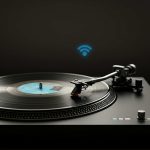
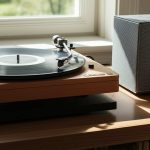
Want better sound from your Bluetooth turntable? This guide makes it easy! We’ll cover simple tweaks and smart upgrades to get your vinyl sounding amazing wirelessly.
Hey there, tech explorer! Ever hooked up a cool Bluetooth turntable and thought, “Hmm, this could sound even better”? You’re not alone. It’s like having a classic car with a modern radio – you want it all to work perfectly together, right? Sometimes, getting that rich, warm vinyl sound through a wireless connection can be a bit tricky. But don’t worry, that’s where I come in! I’m Max, and I love making tech simple and fun. Together, we’re going to unlock the full potential of your Bluetooth turntable setup. We’ll go from “pretty good” to “wow, that sounds incredible!” Let’s break down how to get the best sound, step by easy step.
Why Your Bluetooth Turntable Sound Might Not Be Perfect (Yet!)
So, you’ve got this awesome setup: a turntable that spins your favorite records and a Bluetooth speaker or headphones ready to play the music wirelessly. It’s a modern twist on a classic listening experience! But sometimes, the sound just doesn’t hit that sweet spot. Maybe it sounds a little thin, a bit fuzzy, or just not as full as you’d expect from vinyl. This can happen for a few reasons, and the good news is, most of them are super easy to fix.
Think of it like this: your turntable is a chef preparing a delicious meal, and your Bluetooth connection is the waiter carrying it to your table. If the waiter isn’t careful, or the plate isn’t quite right, the meal might not arrive at its best. We just need to make sure our “waiter” (the Bluetooth connection) and our “plate” (the speaker/headphones) are top-notch. We’ll look at everything from the tiny details to bigger upgrades.
Let’s Talk About Sound: What Makes It Good?
Before we dive into fixing things, let’s chat about what “good sound” actually means. It’s more than just hearing the music; it’s about feeling it. Good sound has depth, clarity, and warmth. You can hear the subtle details, like the brush of a drumstick or the breath of a singer. Bass should feel rich and round, not boomy or muddy. Treble should be crisp and clear, not harsh or tinny.
This is especially important with vinyl. Vinyl is known for its warm, analog sound. The goal with a Bluetooth setup is to preserve as much of that character as possible. We want to avoid losing those special nuances in the wireless transmission. It’s all about keeping that magic alive from the needle to your ears.
Quick Wins: Easy Tweaks for Better Bluetooth Turntable Sound
Sometimes, the simplest things make the biggest difference. These are the easiest steps you can take right now to improve your sound quality. No need for fancy tools or big expenses!
1. Placement is Key!
Where you put your turntable and your speaker matters a lot.
Turntable: Keep it on a stable, flat surface. Avoid places that vibrate a lot, like near a washing machine or a bass-heavy speaker. Vibrations can travel up the tonearm and mess with the sound.
Speaker: Try different spots in your room. Sound bounces off walls and furniture. Moving your speaker just a foot or two can change how clear and full the music sounds. Avoid putting it right in a corner if the bass sounds too overwhelming.
2. Check Your Bluetooth Connection
A strong, stable Bluetooth connection is crucial.
Distance: Keep your turntable and speaker/headphones close to each other. The further apart they are, the weaker the signal can get, leading to dropouts or lower quality.
Interference: Other wireless devices can sometimes interfere. Try turning off other Bluetooth devices you aren’t using. Microwaves can also cause issues when running.
3. Clean Your Records and Stylus
This is basic vinyl care, but it has a huge impact on sound quality.
Records: Dust and grime on your records are the enemies of clear sound. Use a good record brush before every play. A proper record cleaning solution for deeper cleans is also a great idea.
Stylus (Needle): Your stylus picks up all the grooves. If it’s dirty, it can’t read them properly. Use a stylus brush or a specialized stylus cleaner gently. A clean stylus means cleaner sound.
4. Speaker/Headphone Settings
Don’t forget the device you’re listening through!
EQ Settings: Many Bluetooth speakers and headphones have equalizer (EQ) settings. Play around with these! Sometimes, a slight adjustment to the bass or treble can make a world of difference. Look for presets like “Rock,” “Pop,” or “Flat” to see what sounds best.
Volume: Avoid pushing the volume to its absolute maximum. This can often introduce distortion. Find a sweet spot where the sound is loud enough but still clear.
Diving Deeper: Upgrades for Superior Sound
If you’ve tried the quick wins and still want more, it might be time for some upgrades. These steps involve a bit more investment but can dramatically boost your sound quality.
1. The Power of the Preamp
Many Bluetooth turntables have a built-in preamp. This is great for simplicity! But sometimes, an external preamp can offer better performance.
What’s a Preamp Doing Anyway?
A preamp (short for pre-amplifier) does two main things for your turntable:
1. RIAA Equalization: Vinyl records are cut with a special curve that boosts treble and cuts bass during recording. The preamp reverses this, boosting bass and cutting treble to make the music sound balanced.
2. Phono Signal Boost: The signal from your cartridge is very weak. The preamp amplifies it to a “line level” signal that your Bluetooth transmitter (or any amplifier) can use.
Why Upgrade?
A dedicated external phono preamp is often designed with better components and circuitry. This can result in a cleaner, more detailed, and more accurate sound signal being sent to your Bluetooth transmitter. If your turntable allows you to bypass its internal preamp (check your manual!), connecting to an external one can be a game-changer.
How to Connect an External Preamp:
Connect your turntable’s output directly to the phono input on the external preamp.
Turn OFF the internal preamp on your turntable if it has a switch for this.
Connect the line output of the external preamp to the Bluetooth transmitter’s input.
Table 1: Comparing Built-in vs. External Phono Preamps
| Feature | Built-in Preamp (Common) | External Preamp (Upgrade) | Benefit of External |
| :—————- | :—————————————————– | :———————————————————— | :——————————————————————————— |
| Sound Quality | Good for convenience, can be basic. | Often superior, more detailed, less noise. | Better clarity, warmth, and fidelity. |
| Customization | Usually none. | Some offer adjustable gain or EQ settings. | Fine-tune sound to your specific cartridge and taste. |
| Cost | Included with turntable, no extra cost. | Can range from $50 to $500+, depending on quality. | Investment for significantly better sound. |
| Setup | Plug-and-play, integrated. | Requires extra cables and connections. | Slightly more complex setup but worth it for the sound. |
| Components | Often uses integrated circuits (ICs). | Frequently uses discrete components for higher quality. | Higher-quality components lead to a purer, less colored sound signal. |
After adding an external preamp, you’ll likely notice a more refined sound. The music might feel more “alive,” with better separation between instruments.
2. The Bluetooth Transmitter/Receiver Matters
If your turntable has Bluetooth built-in, it has a transmitter. If you’re adding Bluetooth to an older turntable, you’ll need a transmitter. The quality of this Bluetooth transmitter can significantly impact the sound.
Bluetooth Codecs: The Secret Sauce
Bluetooth transmitters and receivers use “codecs” to compress and send audio data. Some codecs are better than others at preserving sound quality.
SBC (Subband Coding): This is the standard, universal codec. It’s compatible with almost everything but offers the lowest quality.
AAC (Advanced Audio Coding): Used by Apple devices, it’s better than SBC and offers a good balance of quality and efficiency.
aptX, aptX HD, aptX Adaptive, LDAC: These are higher-fidelity codecs. They offer much better sound quality, closer to CD quality, with lower latency (delay). For the best sound from your Bluetooth turntable setup, aim for a transmitter and receiver that support one of these advanced codecs.
Table 2: Bluetooth Codec Comparison for Audio Quality
| Codec Name | Typical Bitrate (kbps) | Sound Quality | Latency | Compatibility | Best For |
| :—————– | :——————— | :———— | :—— | :—————– | :——————————————— |
| SBC | 140-328 | Basic | Medium | Universal | Basic audio, where quality isn’t paramount. |
| AAC | 128-256 | Good | Medium | Apple devices, some Android | Casual listening, good balance. |
| aptX | ~352 | Very Good | Low | Many Android devices, some Windows | Music and gaming where quality matters. |
| aptX HD | ~576 | Excellent | Low | Higher-end Android devices | High-resolution audio streaming. |
| aptX Adaptive | Variable (up to 420) | Excellent | Very Low| Newer Android devices | Dynamic audio needs, gaming, video. |
| LDAC (Sony) | Up to 990 | Near Lossless | Medium | Sony devices, some Android | Audiophile-grade wireless sound. |
What to Look For:
When buying a Bluetooth transmitter or receiver, check its specifications for supported codecs. If your turntable and your speaker/headphones both support aptX HD or LDAC, you’ll get the best wireless sound possible. This is a fantastic upgrade for preserving the detail and warmth of your vinyl.
3. Speaker/Headphone Upgrade
The speakers or headphones you’re using are the final step in your sound chain. Even with the best turntable and connection, if your playback device isn’t up to par, you won’t hear the full benefit.
Choosing Better Bluetooth Speakers:
Driver Size: Larger speaker drivers (the parts that make sound) can produce a fuller, richer sound, especially in the bass frequencies.
Frequency Response: Look for speakers with a wider frequency response, particularly in the lower end (e.g., down to 50Hz or lower). This means they can reproduce deeper bass.
Build Quality: Solidly built speakers often sound better because they vibrate less.
Codec Support: As mentioned, ensure your new speakers support higher-quality codecs like aptX HD or LDAC if your turntable/transmitter does.
When to Consider Wired Headphones:
For the absolute best sound quality, especially if you’re an audiophile, a wired connection might still be king. If your turntable has a headphone jack, or if you use an external preamp with a headphone out, plugging in a good pair of wired headphones can bypass Bluetooth compression entirely. This can reveal nuances you never knew were on your records!
Advanced Tips for the Dedicated Vinyl Lover
Ready to go the extra mile? These tips are for those who want to squeeze every drop of performance out of their setup.
1. Cartridge Upgrade
The cartridge and stylus are the heart of your turntable’s sound. Upgrading the cartridge can make a massive difference.
Types of Cartridges: There are two main types: Moving Magnet (MM) and Moving Coil (MC). MC cartridges are generally considered higher-end and can offer more detail, but they often require a specific type of phono preamp (one that supports MC input) and can be more expensive.
Stylus Shape: A stylus with a more advanced shape (like an elliptical, micro-ridge, or Shibata stylus) can track the record groove more accurately, picking up finer details and reducing distortion.
A new cartridge can bring out nuances in your music that you’ve never heard before. It’s like giving your turntable new ears!
2. Turntable Isolation
We talked about stable surfaces, but dedicated isolation can take it further.
Isolation Feet: You can buy specialized feet for your turntable that help absorb vibrations.
Isolation Platform: Placing your turntable on a heavy, dense platform (like a granite slab or a specialized isolation mat) can further decouple it from any vibrations from your shelf or floor.
This is especially important if you live in an apartment or have a lot of foot traffic near your listening area. Less vibration means a cleaner signal from the stylus.
3. Bluetooth Transmitter Placement
Even the transmitter needs good placement.
Line of Sight: If possible, ensure a clear line of sight between your transmitter and receiver (speaker/headphones). Walls and furniture can weaken the signal.
Avoid Power Sources: Keep your Bluetooth transmitter away from strong power sources or other electronics that might emit electromagnetic interference.
Troubleshooting Common Bluetooth Turntable Issues
Even with the best setup, things can sometimes go wrong. Here are a few common problems and how to fix them:
Sound cutting in and out: This is usually a Bluetooth signal issue. Try moving the devices closer, reducing interference from other electronics, or restarting both devices.
Humming or buzzing: This can be caused by a ground loop (especially if you’re using an external preamp) or interference. Ensure all cables are securely connected and try plugging your turntable and speaker into the same power strip to see if that helps. Check your turntable’s ground wire connection.
No sound at all: Double-check that both devices are powered on, paired correctly, and that the volume is turned up on both the turntable (if it has volume control) and the speaker/headphones. Make sure you’ve selected the correct input on your speaker if it has multiple options.
Frequently Asked Questions (FAQ)
Q1: Can I use any Bluetooth speaker with my turntable?
A: Yes, you can connect almost any Bluetooth speaker. However, for the best sound quality, look for speakers that support advanced Bluetooth codecs like aptX HD or LDAC, and ensure your turntable or transmitter also supports them.
Q2: Does Bluetooth really degrade vinyl sound quality?
A: Bluetooth can* degrade sound quality because it compresses audio. However, with high-quality codecs (like aptX HD or LDAC) and a good setup, the difference can be very minimal and acceptable for most listeners.
Q3: What’s the difference between a Bluetooth turntable and a regular turntable with a Bluetooth adapter?
A: A Bluetooth turntable has the Bluetooth transmitter built-in. A regular turntable might need a separate Bluetooth transmitter connected to its audio output or a phono preamp’s output to send sound wirelessly.
Q4: Is an external phono preamp worth it for a Bluetooth turntable?
A: If your turntable allows you to bypass its internal preamp and you connect to a good external preamp before sending the signal to your Bluetooth transmitter, it can significantly improve sound clarity and detail.
Q5: How do I know which Bluetooth codec my devices are using?
A: This can be tricky. Sometimes your phone or tablet will show the active codec in its Bluetooth settings. For dedicated transmitters and receivers, you often need to check the product specifications or manual.
Q6: My Bluetooth turntable sounds tinny. What should I do?
A: Check your EQ settings on your speaker or headphones. Try boosting the bass slightly. Also, ensure your records and stylus are clean, as dirt can make the sound harsh. An upgraded stylus or cartridge could also help.
Q7: Can I use my turntable with both wired and Bluetooth speakers?
A: This depends on your turntable. Some have both a headphone/line-out jack for wired connections and built-in Bluetooth. If yours only has Bluetooth, you’d typically need to switch between using the Bluetooth and a separate wired output if you add one via an external preamp.
Wrap Up: Enjoy Your Upgraded Sound!
There you have it! We’ve journeyed from simple tweaks to smart upgrades that can transform your Bluetooth turntable listening experience. You’ve learned how placement, cleaning, and connection quality play a huge role. You also discovered how components like preamps and Bluetooth transmitters can be upgraded for even better sound. And don’t forget those advanced tips like cartridge swaps and isolation for the true audiophile.
Remember, the goal is to enjoy your music. Don’t be afraid to experiment! Try out different settings, move your speakers around, and see what sounds best to your ears. Tech should be fun and empowering, and now you have the knowledge to make your Bluetooth turntable setup sing.
Now go forth, spin those records, and immerse yourself in amazing, high-quality sound. Make every listening session a fantastic experience!