Find the perfect compact Bluetooth speaker for your hikes! This guide makes it easy to pick one that’s durable, sounds great, and fits your adventure style.
Hey there, adventure seekers and music lovers! Are you ready to take your hiking trips to the next level with some awesome tunes? Imagine reaching a breathtaking viewpoint, and instead of just silence, you’re greeted by your favorite playlist. It’s a game-changer, right? But when you start looking for a speaker, it can feel a bit overwhelming. All those technical words and features can make your head spin faster than a trail runner on a downhill.
Don’t worry, I’ve got your back! I’m Max, your friendly tech guide from AffTechy.com, and I’m here to break down exactly what you need to know. We’ll cut through the confusion and find a speaker that’s tough enough for the trail and sounds fantastic. We’ll talk about what really matters, not just fancy jargon.
So, whether you’re a seasoned hiker or just starting out, this guide will help you pick a compact Bluetooth speaker that’s your perfect trail companion. Let’s make sure your next hike has the best soundtrack ever!
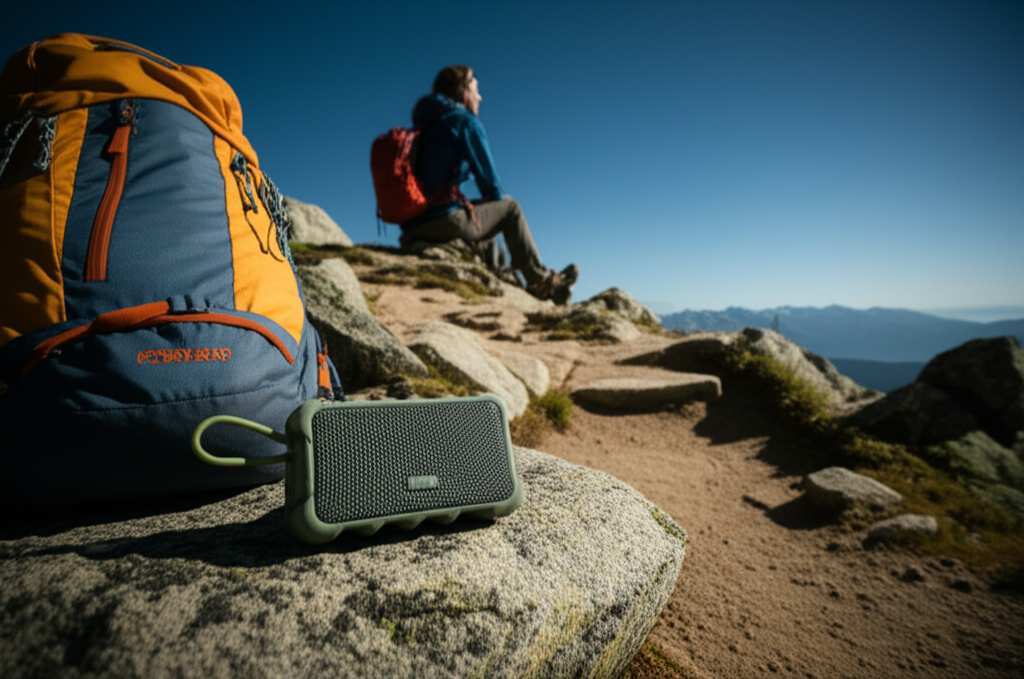
Why You Need a Speaker on Your Hike
Let’s face it, nature is amazing. The rustling leaves, the birds singing, the quiet peace – it’s all pretty magical. But sometimes, adding a little bit of your own soundtrack can make those moments even more special. Think about it: a gentle acoustic song as you watch the sunrise, or an upbeat track to power you up a tough climb.
A good speaker can turn a solo hike into a more engaging experience. It can even be fun to share your music with fellow hikers (if they’re into it, of course!). Plus, a speaker isn’t just for music. You can use it to listen to podcasts, audiobooks, or even for navigation if you use an app that talks. It’s like having a little portable entertainment system for the great outdoors.
What Makes a Speaker “Hiking-Ready”?
When we talk about a speaker for hiking, we mean something a little different than a speaker for your living room. It needs to be more than just good sound. It needs to be tough. It needs to handle bumps, maybe a little rain, and definitely last for a good long while. We’re looking for a few key things that make a speaker a true adventure buddy.
This means it should be small and light, easy to pack without weighing you down. It also needs to be built tough, so a little drop or splash doesn’t send it to speaker heaven. And, of course, it needs to sound good enough to enjoy your music out in the wild. Let’s dive into what these features really mean.
Key Features to Look For: Your Hiking Speaker Checklist
Picking the right speaker is all about knowing what features will serve you best on the trail. It’s not about having every single bell and whistle, but about having the right ones. Let’s break down the most important things to consider.
1. Durability: Built for the Trail
This is probably the most important feature for a hiking speaker. You don’t want something fragile that will break the first time it slips out of your hand or gets bumped against a rock. We’re talking about a speaker that can take a little abuse and keep on playing.
Water Resistance: This is a big one. Look for an IP rating. IPX4 means it can handle splashes, like from rain or sweat. IPX7 means it can even be submerged in water for a short time – super handy if you’re hiking near rivers or lakes.
Dustproof: Trails can be dusty! A dustproof speaker means you won’t have to worry about dirt getting inside and messing with the sound.
Shockproof: Some speakers are designed to withstand drops. This is a lifesaver if you’re prone to fumbling your gear.
Rugged Design: Many rugged speakers have rubberized exteriors or reinforced corners to absorb impacts. They just feel more solid and ready for adventure.
2. Portability: Small and Light is Right
You’re hiking, so every ounce counts! A bulky, heavy speaker will just be a burden. We want something compact that won’t take up too much space in your backpack.
Size: Think about how much space you have. Many compact speakers are about the size of your palm or a water bottle.
Weight: Aim for something under a pound (about 0.5 kg) if possible. The lighter, the better for long hikes.
Carrying Options: Does it have a carabiner clip? A strap? This makes it easy to attach to your backpack, belt loop, or even a tree branch.
3. Battery Life: Keep the Music Playing
Nothing kills the vibe faster than a dead battery. For hiking, you need a speaker that can last for a good chunk of your trip.
Hours of Playback: Look for speakers that offer at least 8-10 hours of battery life on a single charge. Many premium models can go 15-20 hours or even more.
Charging Time: How long does it take to recharge? Some speakers can be topped up quickly, which is great if you have a power bank.
Power Bank Function: Some speakers can even charge your phone! This can be a lifesaver if your phone battery is running low.
4. Sound Quality: Hear the Music Clearly
While ruggedness and portability are key, you still want your music to sound good. Even on a hike, you want clear audio.
Volume: Can it get loud enough to hear over wind or ambient noise?
Clarity: Does the music sound clear, or is it muffled and tinny?
Bass: Some compact speakers struggle with bass, but many modern ones do a great job of providing a decent low-end punch.
5. Connectivity: Easy Pairing
Bluetooth is the standard, but how easy is it to connect?
Bluetooth Version: Newer versions (like Bluetooth 5.0 or higher) offer a more stable connection and longer range. This means less dropouts.
Multi-Point Pairing: Some speakers can connect to two devices at once. This is cool if you and a friend want to take turns playing DJ.
Fast Pairing: Some speakers pair instantly with your phone once they’re set up.
6. Extra Features: Nice-to-Haves
These aren’t always essential, but they can add to the experience.
Speakerphone: If you get a call, can you answer it through the speaker? Handy for quick check-ins.
App Control: Some brands offer apps that let you adjust EQ settings or update the speaker’s firmware.
Stereo Pairing: Can you link two identical speakers together for a true stereo sound experience? This is amazing if you want a fuller sound.
Let’s Talk Sound: What Does it Actually Mean?
When you look at speaker specs, you might see terms like “wattage” or “frequency response.” These can sound confusing, but they’re pretty simple to understand.
Wattage (W): This basically tells you how loud the speaker can get. More watts usually mean a louder speaker. For a compact hiking speaker, something in the 5W to 20W range is often plenty. You don’t need a concert hall speaker!
Frequency Response: This describes the range of sounds a speaker can produce, from low bass to high treble. It’s usually shown as a range, like 50Hz – 20kHz. A wider range generally means a fuller sound. For a small speaker, don’t expect booming sub-bass, but a good range will ensure you hear all the instruments and vocals clearly.
Comparing Popular Compact Bluetooth Speakers for Hiking
To give you a better idea, let’s look at some popular types of compact Bluetooth speakers and what they offer. These aren’t specific models, but categories you’ll often find.
| Feature | Basic Rugged Speaker | Mid-Range All-Rounder | Premium Compact Speaker |
| :—————— | :——————- | :——————– | :———————- |
| Price Range | $30 – $70 | $70 – $150 | $150+ |
| Durability | Good (IPX5-IPX7) | Excellent (IP67) | Excellent (IP67) |
| Portability | Very good | Good | Good |
| Battery Life | 8-12 hours | 12-20 hours | 15-25+ hours |
| Sound Quality | Decent, clear | Very good, balanced | Excellent, rich |
| Connectivity | Bluetooth 4.2/5.0 | Bluetooth 5.0+ | Bluetooth 5.0+ |
| Extra Features | Basic | Speakerphone, straps | Stereo pairing, app control |
What this table means for you: If you’re on a tight budget and just need something basic that can survive a little rain, a basic rugged speaker is a good start. If you hike often and want a great balance of sound, durability, and battery life without breaking the bank, a mid-range speaker is a sweet spot. If you’re a music enthusiast who wants the best possible sound and longest battery life, and are willing to invest, a premium compact speaker will deliver.
How to Choose the Right Speaker for You
Now that we know what to look for, let’s figure out which speaker is best for your specific hiking style. Think about your adventures and what you need most.
For the Weekend Warrior
If you’re heading out for day hikes or the occasional overnight trip, you probably want something reliable and easy to use.
Focus on: Good battery life (10-15 hours), decent water resistance (IPX5 or higher), and a secure way to carry it.
Consider: A mid-range speaker that offers a great balance of features without being too expensive. Something that can clip onto your pack easily is a big plus.
For the Backpacker
When you’re out for days, every gram matters, and durability is non-negotiable.
Focus on: Light weight, long battery life (15+ hours), and top-notch water/dust resistance (IP67).
Consider: A speaker that is compact enough to fit into a side pocket of your pack, or one with a sturdy carabiner. Some hikers even opt for very small, ultra-light speakers that are more about background ambiance than loud music.
For the Chill Camper
If your hikes are more about relaxing at the campsite than conquering mountains, you might prioritize sound quality a bit more.
Focus on: Excellent sound quality, good battery life, and decent water resistance for when you’re near a stream or campfire.
Consider: A speaker that might be slightly larger but offers richer sound. If you’re camping with friends, look for speakers that can be paired for stereo sound.
For the Budget-Conscious Explorer
You can still get a great hiking speaker without spending a fortune.
Focus on: Essential features like water resistance and decent battery life. Don’t get too hung up on the latest tech if it’s not in your budget.
Consider: Basic rugged speakers. Look for sales and read reviews carefully to find the best value. Many affordable options still offer good performance for casual use.
Making the Connection: Bluetooth Pairing 101
Connecting your speaker to your phone or device is usually super simple. Here’s how it generally works:
1. Turn on your speaker: Most speakers have a power button. Press and hold it until you hear a sound or see a light indicating it’s on.
2. Put the speaker in pairing mode: Some speakers automatically go into pairing mode when you first turn them on. Others have a dedicated Bluetooth button you need to press and hold. You’ll usually hear a sound or see a blinking light.
3. Open Bluetooth settings on your phone/device: Go to your phone’s settings menu and find the Bluetooth option. Make sure Bluetooth is turned on.
4. Scan for devices: Your phone will search for nearby Bluetooth devices.
5. Select your speaker: You should see your speaker’s name appear in the list. Tap on it to connect.
6. Confirmation: You’ll usually hear a sound or see a solid light on the speaker to confirm it’s connected.
That’s it! You’re ready to play your tunes. If you have trouble, just turn both devices off and on again and try pairing one more time.
Top Tips for Using Your Speaker on the Trail
Here are some pro tips to get the most out of your compact Bluetooth speaker while hiking:
Protect it: Even with rugged speakers, a small protective case can add extra peace of mind, especially for the charging port.
Charge before you go: Always make sure your speaker is fully charged before you head out.
Conserve battery: If you don’t need it blasting, keep the volume at a moderate level. This will significantly extend battery life.
Keep it dry: While water-resistant, avoid prolonged submersion unless the speaker specifically says it’s waterproof.
Secure it: Use a carabiner or strap to attach it to your pack. This prevents accidental drops and keeps it easily accessible.
Consider the environment: Be mindful of other hikers and wildlife. Loud music can be disruptive. Use it respectfully.
Clean it: After a dusty hike, gently wipe down your speaker with a dry cloth.
Popular Brands and What They Offer
Many brands make fantastic compact Bluetooth speakers. Here’s a quick look at some you might encounter:
JBL: Known for their vibrant sound and durable, often colorful designs. Many JBL speakers are water-resistant and offer good battery life.
Bose: Often praised for premium sound quality, though sometimes at a higher price point. Their smaller speakers still pack a punch.
Sony: Offers a wide range of speakers, many with excellent battery life and robust build quality. Some models even have special bass-boosting features.
UE (Ultimate Ears): These speakers are often designed with portability and durability in mind, frequently featuring carabiner loops and excellent water resistance. They also boast 360-degree sound.
Anker: A popular choice for value, Anker offers surprisingly good sound and durability for their price point.
A Quick Look at Durability Ratings
Understanding IP ratings is crucial for hiking gear. Here’s a simple breakdown:
| IP Rating | Protection Against | Example Use Case |
| :——– | :————————————- | :—————————————————- |
| IPX4 | Splashing water from any direction | Light rain, sweat |
| IPX5 | Water jets from any direction | Heavy rain, accidental splashes |
| IPX6 | Powerful water jets | Being caught in a downpour, near waterfalls |
| IPX7 | Immersion in water up to 1 meter deep | Accidental drops in a stream, river, or lake |
| IP6X | Dust and fine particles | Dusty trails, sandy beaches |
Why this matters: For hiking, aiming for at least IPX5 is recommended. If you’re often near water, IPX7 is the way to go. The ‘6’ in IP6X means it’s completely protected from dust.
Frequently Asked Questions (FAQs)
Q1: Do I really need a “rugged” speaker for hiking, or can I use my regular one?
While you can* use a regular speaker, it’s not ideal. Hiking exposes gear to more risks like drops, dust, and moisture. A rugged speaker is built to handle these conditions, saving you from potential damage and disappointment on the trail.
Q2: How loud should my hiking speaker be?
For hiking, you don’t need a speaker that can deafen a stadium! A speaker with around 10-20 watts is usually sufficient to hear your music over wind and trail noise, especially if you’re hiking solo or with a small group.
Q3: Can I connect my speaker to multiple devices at once?
Some speakers offer “multi-point pairing,” which allows them to connect to two devices simultaneously. This is great if you and a friend want to share control of the music playlist. If not, you’ll need to disconnect from one device before connecting to another.
Q4: What does “360-degree sound” mean?
Speakers with 360-degree sound project audio in all directions. This means the sound is more evenly distributed around the speaker, so everyone in your group can hear it clearly, no matter where they are standing. It creates a more immersive listening experience.
Q5: How important is battery life for a hiking speaker?
Very important! A speaker that dies halfway through your hike is just dead weight. Aim for a speaker with at least 8-10 hours of playback time, but 15-20 hours is even better for longer trips. Always check reviews for real-world battery performance.
Q6: Should I get a speaker with a carabiner clip?
It’s incredibly convenient! A built-in carabiner or a sturdy strap allows you to easily attach the speaker to your backpack, belt loop, or a tree branch. This keeps it secure, accessible, and frees up space inside your pack.
Q7: What if my speaker gets wet?
If your speaker has a good IP rating (like IPX5 or higher), it should be able to handle splashes or rain. For IPX7 rated speakers, it can even survive a brief dunk. After it gets wet, just wipe it dry with a soft cloth. Avoid charging it until it’s completely dry, especially if it was submerged.
Ready to Hit the Trail with Great Sound!
Choosing a compact Bluetooth speaker for hiking doesn’t have to be complicated. By focusing on durability, portability, battery life, and sound quality, you can find the perfect companion for your outdoor adventures. Remember to think about how you’ll use it most – whether it’s for day trips, long treks, or relaxing by the campfire.
We’ve covered what makes a speaker hiking-ready, the key features to look for, and how to understand those techy terms. You’ve also got a handy checklist and some great tips to make sure you get the most out of your purchase. For more insights into great audio gear, check out some of the latest reviews on sites like CNET or TechRadar.
Now you’re armed with all the knowledge you need to pick a speaker that will amplify your hikes and make every moment more enjoyable. So go ahead, explore, and let the music follow you wherever your adventures lead! Now go enjoy amazing sound and make every moment louder and better!