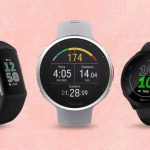
Smartwatches gauge stress levels mainly through monitoring physiological signals like heart rate variability, skin conductance, and sometimes even sleep patterns. These devices use built-in sensors and algorithms to analyze subtle changes in your body’s responses to stress, providing real-time insights right on your wrist.
In essence, smartwatches track your body’s physical reactions to determine stress levels, leveraging data from sensors to give you a clearer picture of how stressed you might be. By understanding these signals, they help users manage stress more effectively and promote overall well-being.
Ever wondered how your smartwatch can tell when you’re feeling stressed? It’s pretty fascinating—these devices analyze your heart rhythms, skin conductance, and sleep patterns to detect signs of stress, giving you helpful feedback without invasive procedures. If you’re curious about the science behind this, keep reading to discover how these tiny gadgets work behind the scenes to monitor your stress levels and keep you informed about your mental health.

How Smart Watches Measure Stress Level
Understanding Stress and Its Effects on the Body
Stress is a natural response to challenges or demands, but too much stress can harm health. It triggers physical reactions like increased heart rate and faster breathing. When stress becomes chronic, it may lead to issues such as high blood pressure or anxiety. Recognizing stress early helps in managing it better and maintaining well-being.
Role of Wearable Technology in Stress Monitoring
Smart watches and other wearable devices have become popular tools for tracking health metrics. They can now sense signs of stress through various sensors and algorithms. These gadgets offer real-time insights, helping users understand their stress patterns daily. Their convenience encourages regular use, making stress management more accessible.
How Smart Watches Detect Stress: The Core Technologies
Smart watches measure stress using a combination of sensors. The key technologies include photoplethysmography (PPG), accelerometers, and sometimes electrodermal activity sensors. These tools gather data on heart rate, movement, and skin conductance. By analyzing this information, the watch estimates stress levels accurately.
Photoplethysmography (PPG) and Heart Rate Monitoring
PPG sensors emit light into the skin and measure blood flow changes. As the heart beats faster during stress, blood flow increases. The watch detects these variations and calculates heart rate and pulse variability, which are vital signs of stress. Fluctuations in heart rate variability often indicate heightened stress.
Accelerometers and Movement Tracking
Accelerometers monitor physical activity and body movement. Sudden or intense movements can correlate with stress episodes. By combining movement data with heart information, watches improve the accuracy of stress detection. They can also differentiate between physical exertion and emotional stress.
Electrodermal Activity (EDA) Sensors
Some advanced smart watches include EDA sensors that measure skin conductance. When stressed, sweat gland activity increases, affecting skin conductivity. EDA data provides another layer of insight into emotional arousal. This approach helps detect stress more precisely, especially during moments of mental tension.
Algorithms Behind Stress Detection
Data from sensors is processed through sophisticated algorithms. These analyze heart rate, variability, and skin responses to recognize patterns associated with stress. Machine learning models are often used to improve prediction accuracy over time. The algorithms categorize stress levels into ranges like low, moderate, or high.
Heart Rate Variability Analysis
Heart Rate Variability (HRV) measures fluctuations in intervals between heartbeats. Low HRV typically corresponds to high stress, while high HRV indicates relaxation. Smart watches assess HRV to gauge stress efficiently, providing users with meaningful feedback about their mental state.
Combining Multiple Data Points
Most devices consider multiple indicators simultaneously. For example, elevated heart rate combined with increased skin conductance signifies heightened stress. This multi-metric approach minimizes false readings and enhances reliability. It ensures that stress assessments reflect true emotional or physical states.
Interpreting Stress Levels Reported by Smart Watches
Once data analysis is complete, smart watches display stress levels through various formats. They may show simple indicators like a color-coded bar, numerical scores, or detailed charts. Clear visual cues help users quickly understand their current state and track changes over time.
Color Codes and Numerical Scores
Colors such as green, yellow, and red often represent low, moderate, and high stress levels respectively. Numerical scores might range from 0 to 100, with higher scores indicating more stress. These simplified displays make it easy for users to stay aware during busy moments.
Historical Data and Trend Analysis
Many smart watches store past data, enabling trend analysis over days or weeks. Users can identify patterns such as stress spikes during certain times or activities. Recognizing these trends promotes proactive stress management and healthier habits.
Factors That Affect Stress Measurement Accuracy
While smart watches are effective, several factors can influence their accuracy. Proper device fit, skin tone, activity level, and environmental conditions all play roles. Ensuring optimal device placement and understanding limitations improve reliability.
Proper Wear and Fit
A loose or tight watch can distort sensor readings. The device should sit snugly against the skin without causing discomfort. Consistent positioning ensures data accuracy during different activities.
Environmental Considerations
External factors like temperature, humidity, and light can affect sensor performance. For instance, overly hot conditions may cause sweating, impacting EDA readings. Users should be mindful of these influences for precise measurements.
User Activity and Movement
Intense physical activity or sudden movements may temporarily skew data. It’s best to measure stress during rest periods or controlled environments. Differentiating physical exertion from emotional stress is crucial for accurate assessment.
Advances in Stress Monitoring Technology
New developments continue to enhance how smart watches measure stress. Researchers focus on improving sensor sensitivity, algorithm precision, and integration with other health metrics. Future models may offer even more detailed insights into mental health.
Integration with Heart Rate Variability (HRV) Monitoring
Refining HRV analysis allows for more nuanced stress detection. Continuous HRV tracking provides real-time data and can alert users before stress peaks occur. It supports early intervention strategies.
Use of Artificial Intelligence (AI)
AI algorithms learn user-specific stress patterns, tailoring feedback. These systems can predict stressful episodes and recommend personalized relaxation techniques. AI integration makes stress management more effective and engaging.
Additional Sensors and Biosignals
Emerging sensors measure additional signals like breathing rate or temperature. Combining these with existing data improves overall accuracy. A holistic approach offers a comprehensive view of mental and physical health.
Practical Tips for Using Smart Watches to Manage Stress
To maximize benefits, users should wear their devices consistently and interpret data thoughtfully. Incorporating stress insights into daily routines can lead to healthier habits.
Regular Monitoring and Setting Goals
Make a habit of checking stress levels daily. Set achievable goals, such as reducing stress scores or practicing relaxation activities. Tracking progress motivates ongoing self-care.
Utilizing Stress-Relief Features
Many devices include guided breathing, meditation, or mindfulness exercises. Using these tools during high-stress moments can decrease physiological responses. Consistent practice improves resilience over time.
Combining Technology with Lifestyle Changes
Smart watches are most effective when paired with healthy routines. Regular exercise, balanced diet, and adequate sleep contribute to lower stress levels. Use the data as motivation to stay committed to well-being.
Related Topics
- Understanding Heart Rate Variability (HRV) and Why It Matters
- Best Practices for Wearing Wearable Devices for Accurate Data
- How Mindfulness and Meditation Help Manage Stress
- Differences Between Stress and Anxiety: What Your Wearable Can Tell You
Smart watches have become valuable tools in managing stress by providing real-time, personalized feedback. Their ability to measure physiological responses like heart rate, skin conductance, and movement makes them effective for detecting emotional and physical stress. With ongoing technological improvements, they will continue to support healthier lifestyles and mental well-being for users worldwide.
Understanding Stress Level tracking on your Garmin – Garmin® Retail Training
Frequently Asked Questions
What sensors do smartwatches use to monitor stress levels?
Smartwatches typically utilize sensors such as heart rate monitors, galvanic skin response sensors, and accelerometers to assess stress levels. The heart rate sensor measures fluctuations in your heartbeats, while the galvanic skin response sensors detect changes in skin conductance caused by sweating, which can be linked to stress. Accelerometers track movement patterns that might indicate physical responses to stress. Combining data from these sensors helps the device evaluate your overall stress state accurately.
How does heart rate variability help in measuring stress?
Heart Rate Variability (HRV) reflects the variation in time between each heartbeat. When you experience stress, your sympathetic nervous system activates, often leading to a decrease in HRV. Conversely, a higher HRV typically indicates relaxation and well-being. Smartwatches analyze these variations over time to determine your stress levels, providing insights into how your body is responding to different situations.
Can activity levels influence the stress readings from a smartwatch?
Yes, physical activity can impact stress measurements. Intense exercise might temporarily raise your heart rate and skin conductance, which could be misinterpreted as stress. Smartwatches account for activity levels by measuring movement data in conjunction with physiological signals. This way, they can differentiate between physical exertion and emotional stress, providing more accurate assessments.
In what ways do smartwatch algorithms interpret stress data?
Smartwatch algorithms analyze patterns in physiological signals like heart rate, HRV, and skin conductance to identify signs of stress. They compare your data against established baseline levels and recognize deviations that indicate heightened stress. These algorithms may also incorporate contextual information such as time of day or activity type to refine their assessments, offering a comprehensive view of your stress status.
Are there limitations to how accurately smartwatches can measure stress?
While smartwatches provide useful insights, their stress measurements have limitations. Factors like ambient temperature, hydration levels, and individual physiological differences can affect sensor accuracy. Moreover, emotional and mental stress may not always manifest through physiological signals alone. Therefore, these devices work best as supplementary tools and should not replace professional stress management or medical advice.
Final Thoughts
Smartwatches measure stress level by analyzing physiological signals such as heart rate variability and skin conductance. These devices use sensors to track changes that indicate stress, providing real-time feedback.
By monitoring these indicators, smartwatches help users recognize stress patterns and respond appropriately.
In conclusion, understanding how smart watch measure stress level emphasizes the importance of wearable technology for mental well-being.