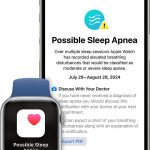
Smart watches use advanced sensors and algorithms to monitor your sleep patterns, providing you with detailed insights into your rest quality. They track movements, heart rate, and sometimes even blood oxygen levels to determine when you fall asleep, stay asleep, and wake up.
In a nutshell, smart watches measure sleep by continuously monitoring your physical signals throughout the night, then analyzing this data to give you an overview of your sleep cycles. They combine motion sensors, heart rate monitors, and sometimes skin temperature or oxygen sensors to assess how well you’ve slept.
Getting a good night’s sleep is vital for your health, and smart watches make it easier to understand and improve your sleep habits. They work by detecting your movements and physiological changes, helping you identify patterns and disruptions in your sleep cycle. With this real-time, personal data, you can make more informed choices about your sleep routines, leading to better rest and overall well-being.

How Does Smart Watches Measure Sleep?
Understanding Sleep Tracking in Smart Watches
Smart watches use a combination of sensors and algorithms to monitor your sleep patterns. They are designed to provide insights without requiring any complex setup. These devices track your sleep by analyzing various physiological signals during the night.
Most smart watches focus on detecting when you fall asleep, how long you stay asleep, and the quality of your sleep cycles. They are popular because they give you a simple way to keep tabs on your sleep health right from your wrist.
Core Technologies Behind Sleep Measurement
Smart watches rely primarily on three types of sensors. These sensors work together to gather the data needed for sleep analysis:
- Accelerometers: These detect your movements. During sleep, less movement generally indicates deeper sleep stages.
- Heart Rate Monitors: Using optical sensors, they track your heart rate and heart rate variability (HRV), which are key indicators of sleep stages.
- Additional Sensors: Some advanced smart watches include skin temperature sensors and SpO2 sensors to provide more detailed data about your sleep quality.
Each sensor contributes unique information that helps determine your sleep pattern more accurately.
How Accelerometers Track Sleep
The accelerometer is one of the most critical sensors for sleep detection. It captures your wrist movements throughout the night.
When you are resting calmly, the watch detects minimal movement, signaling that you might be in a deep sleep stage. Conversely, frequent or vigorous movements may indicate restlessness or lighter sleep stages.
Smart watches analyze these patterns to differentiate between sleep and wakefulness. They can also estimate periods of REM sleep, where your body might be more still but your brain activity is high.
Heart Rate Monitoring and Sleep Stages
Heart rate data provides important clues about your sleep quality. During deep sleep stages, your heart rate tends to be lower and more consistent.
In contrast, during REM sleep and lighter sleep stages, your heart rate can fluctuate more. By tracking these variations, smart watches estimate the different sleep stages throughout the night.
Some devices use heart rate variability (HRV), which is the small changes in time between each heartbeat, to better identify transitions between sleep stages.
How Optical Sensors Work in Sleep Tracking
Optical sensors, typically based on photoplethysmography (PPG), shine a light into your skin to measure blood flow. As your blood volume changes with each heartbeat, the sensor captures these changes.
This data is used to calculate your heart rate and HRV. The continuous monitoring allows the watch to detect whether you’re in light sleep, deep sleep, or REM sleep based on patterns and fluctuations in your heart signals.
Role of Skin Temperature and SpO2 Sensors
Some high-end smart watches incorporate skin temperature sensors. Fluctuations in skin temperature can signal sleep onset and help distinguish sleep stages.
SpO2 sensors measure blood oxygen levels, which can decrease during certain sleep disorders like sleep apnea. Monitoring these metrics helps improve the accuracy of sleep quality assessments.
Algorithms and Data Processing
The raw data collected from sensors is processed through specially designed algorithms. These algorithms analyze movement, heart rate, HRV, and other signals to classify sleep stages accurately.
They often compare the data against vast databases of sleep patterns to identify typical indicators of different stages. Machine learning techniques are increasingly used to improve accuracy over time, even accounting for individual differences.
Sleep Stage Detection
Smart watches categorize sleep into three main stages:
- Light Sleep: Characterized by increased movement and variability in heart rate.
- Deep Sleep: Marked by slower heart rate, minimal movements, and high body restfulness.
- REM Sleep: Associated with rapid eye movements, irregular heart rate, and muscle atonia.
Some devices also estimate the duration of each stage to provide a detailed sleep profile.
Limitations and Challenges in Sleep Measurement
While smart watches have improved considerably, they are not as precise as clinical sleep studies.
They can sometimes misclassify wakefulness as sleep or confuse light and deep sleep stages. Factors like wrist positioning, movement artifacts, or external disturbances can affect accuracy.
Understanding these limitations is important to interpret sleep data appropriately.
Advancements in Sleep Tracking Technology
Recent innovations include integrating more sensors and improving algorithm efficiency.
Some devices now incorporate AI-powered analysis to refine sleep stage detection.
Emerging technologies aim to offer more detailed insights, like breathing patterns and oxygen saturation, for comprehensive sleep health monitoring.
How Users Can Maximize Sleep Data Accuracy
For better results, users should wear their smart watch consistently and ensure it fits snugly.
Avoid excessive movement or adjusting the watch during sleep to prevent data inaccuracies.
Regularly updating the device’s firmware can also help improve sleep tracking features.
Summary
In summary, smart watches measure sleep by combining motion detection, heart rate monitoring, and advanced algorithms. They analyze data from sensors like accelerometers and optical sensors to estimate sleep duration and quality.
While not perfect, these devices provide valuable insights into sleep patterns and help users make healthier sleep choices. Continuous technological improvements promise even better accuracy in the future, making these gadgets essential tools for sleep awareness and overall well-being.
How Sleep Trackers Work (Demystifying fitness trackers)
Frequently Asked Questions
What sensors do smartwatches use to monitor sleep patterns?
Smartwatches typically utilize accelerometers and optical heart rate sensors to track sleep. The accelerometer detects movements during sleep, helping to distinguish between wakefulness and sleep stages. The optical heart rate sensor measures your heart rate variability, which varies across different sleep phases, providing additional insights into sleep quality.
How does a smartwatch differentiate between light and deep sleep?
Smartwatches analyze patterns in movement and heart rate data to estimate various sleep stages. During deep sleep, body movements decrease, and heart rate slows down, while lighter sleep stages show more activity and higher heart rates. By combining these data points, the device estimates whether you are in light, deep, or REM sleep.
Can smartwatches detect interruptions or disturbances during sleep?
Yes, smartwatches can identify sleep disturbances by monitoring sudden movements or changes in heart rate. When they detect activity inconsistent with continuous sleep, they log these as interruptions. Providing an overview of sleep continuity helps users understand the quality of their rest and identify potential disruptions.
How accurate are sleep measurements provided by smartwatches?
While smartwatches offer useful insights, their sleep tracking is generally considered less precise than clinical sleep studies. They excel at providing trends and general patterns over time but may not accurately determine specific sleep stages. Factors like device placement and individual differences can also influence accuracy.
In what ways do smartwatches enhance understanding of sleep habits?
Smartwatches compile data over multiple nights, helping users recognize patterns and habits affecting sleep quality. They allow you to identify correlations between daily activities and sleep patterns, encouraging healthier routines and enabling better management of sleep issues through informed adjustments.
Final Thoughts
Smart watches measure sleep by using various sensors to track movement and heart rate throughout the night. They analyze this data to identify sleep stages such as light, deep, and REM sleep. Algorithms process the information to give a detailed overview of sleep quality.
In conclusion, smart watches measure sleep efficiently by combining motion detection and heart rate monitoring, providing valuable insights into sleep patterns.