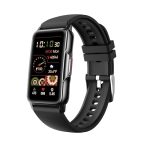
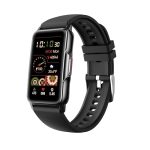
Yes, some smartwatches can help identify signs of sleep apnea, but they aren’t definitive diagnostic tools. They can monitor certain sleep patterns and flag potential issues, prompting you to seek professional evaluation.
Smartwatches have become more than just gadgets for telling time; they’re increasingly helping us understand our health better. When it comes to sleep apnea, these devices can track your breathing patterns, heart rate, and sleep quality, providing clues if something’s amiss. While they can’t replace a sleep study performed by a medical professional, they offer a convenient way to monitor possible symptoms at home. If your smartwatch detects irregularities, it might be worth consulting a healthcare provider for further testing. So, while they can alert you about potential issues, an accurate diagnosis still requires clinical assessment.

Can a Smart Watch Detect Sleep Apnea?
Many people wonder if their smart watch can help identify sleep problems like sleep apnea. While these devices are mainly designed for fitness tracking, some models have features that make them useful for monitoring sleep health. Understanding whether a smart watch can detect sleep apnea involves looking at how these devices work and what they can and cannot do.
What Is Sleep Apnea?
Sleep apnea is a sleep disorder where breathing repeatedly stops and starts during sleep. It can cause loud snoring, choking, or gasping sensations. The most common type is obstructive sleep apnea, which happens when throat muscles relax too much. Another type is central sleep apnea, which involves the brain not signaling the muscles to breathe properly.
If left untreated, sleep apnea can lead to serious health issues like high blood pressure, heart problems, and daytime fatigue. Recognizing the symptoms early is important for effective treatment. Traditional diagnosis requires sleep studies in a lab, but some smart devices now claim to assist in early detection.
How Do Smart Watches Track Sleep?
Smart watches primarily monitor sleep by tracking movements and heart rate. They use built-in accelerometers to detect when a person is moving or still. A steady, low level of movement generally indicates sleep, while frequent movements can suggest wakefulness.
Additionally, many devices use optical heart rate sensors to measure heart rate variability during sleep. These sensors shine light into the skin and detect blood flow changes with each heartbeat. Together, movement and heart rate data help the device estimate different sleep stages such as light, deep, and REM sleep.
Limitations of Smart Watches in Detecting Sleep Apnea
Although smart watches can monitor sleep patterns, identifying sleep apnea accurately is a different challenge. They are not medical devices designed to detect breathing interruptions or airway obstructions directly. As a result, they cannot provide a definitive diagnosis of sleep apnea.
Many devices lack the specialized sensors needed to measure breathing or oxygen saturation levels, which are critical indicators of sleep apnea. Without these measurements, smart watches might only suggest abnormal sleep patterns rather than diagnosing sleep apnea firmly.
What Features Do Some Smart Watches Offer for Sleep Monitoring?
Heart Rate Monitoring
Many smart watches continuously measure heart rate during sleep. Sudden drops or irregularities in heart rate variability can sometimes hint at breathing problems. However, these signs are not specific enough to confirm sleep apnea.
Oxygen Saturation Tracking
Some high-end devices include pulse oximeters to measure blood oxygen levels. Drops in oxygen saturation during sleep might indicate breathing disturbances. These features can alert users to potential issues but don’t replace medical diagnostics.
Sleep Pattern Analysis
Smart watches analyze sleep stages and disruptions, giving insights into sleep quality. Frequent awakenings or inconsistent sleep patterns might be related to respiratory problems, prompting users to seek medical advice.
Are There Devices Specifically Designed to Detect Sleep Apnea?
Yes, some dedicated sleep tracking devices and home sleep apnea tests are designed for this purpose. These tools often include additional sensors, like airflow monitors and oxygen level sensors, to detect breathing interruptions accurately.
| Device Type | Features | Limitations |
|---|---|---|
| Smart Watches | Sleep stage tracking, heart rate monitoring, oxygen saturation (on some models) | Limited accuracy for sleep apnea detection, no airflow measurement |
| Home Sleep Apnea Tests | Breathing sensors, airflow measurement, oxygen saturation, snoring detection | Require medical supervision for interpretation |
Emerging Technologies and Future Developments
Researchers are working on integrating more advanced sensors into wearable devices. Future smart watches might include sensors capable of detecting airflow or airway vibrations. Such improvements could make wearables more reliable in screening for sleep apnea.
Artificial intelligence algorithms are also being developed to analyze sleep data more accurately. These tools can identify patterns associated with sleep apnea, potentially alerting users to seek professional evaluation.
How Reliable Are Smart Watches for Detecting Sleep Apnea?
While smart watches are useful for tracking sleep trends, their reliability in detecting sleep apnea is limited. They can serve as screening tools that suggest when to consult a healthcare professional. However, they are not substitutes for formal diagnostic procedures like polysomnography.
Studies indicate that some advanced health-oriented wearables achieve reasonable accuracy in monitoring sleep-related parameters. Still, false positives and negatives are possible, so medical confirmation remains essential.
What Should You Do If Your Smart Watch Indicates Possible Sleep Apnea?
If your device shows irregular sleep patterns, abnormal heart rate, or oxygen levels, consider consulting a healthcare provider. They can perform comprehensive tests to diagnose sleep apnea accurately. Early diagnosis can lead to more effective treatment and better health outcomes.
Additional Tips for Managing Sleep Quality
- Maintain a consistent sleep schedule
- Avoid caffeine and heavy meals before bedtime
- Create a relaxing sleep environment
- Keep electronic devices away from the bed
- Monitor symptoms and discuss concerns with a doctor
While smart watches can offer valuable insights into your sleep habits, they are limited in their ability to detect sleep apnea definitively. They serve as useful screening tools by monitoring sleep patterns, heart rate, and oxygen levels. However, a proper diagnosis requires specialized testing in a clinical setting. If you suspect sleep apnea, it is best to seek medical advice to ensure appropriate evaluation and treatment.
How Apple Watch Sleep Apnea Detection Works
Frequently Asked Questions
Can a smartwatch accurately identify sleep apnea episodes during the night?
Many smartwatches track sleep patterns and monitor breathing irregularities to some extent. However, their ability to accurately identify sleep apnea episodes remains limited. While they can detect symptoms like frequent awakenings or unusual breathing patterns, they are not medical devices and may not reliably diagnose sleep apnea. For definitive results, it is best to consult a healthcare professional and undergo specialized sleep studies.
What features should I look for in a smartwatch to monitor sleep-related breathing issues?
Look for smartwatches that include sensors capable of tracking heart rate, blood oxygen levels, and sleep stages. Devices with SpO2 monitoring can observe fluctuations in blood oxygen that may indicate breathing disruptions. Additionally, features like automatic sleep detection and respiratory rate tracking can provide more comprehensive insights. Remember, these features can offer clues but are not substitutes for clinical diagnosis.
How effective are smartwatch alerts in notifying users of potential sleep disturbances?
Smartwatches can alert users to irregularities such as abnormal heart rate or oxygen levels, which might suggest breathing issues during sleep. These alerts can prompt users to seek medical advice. However, they do not diagnose sleep apnea on their own. Regular monitoring and consultation with a healthcare provider remain essential for accurate assessment and treatment planning.
Can a smartwatch replace a sleep study for diagnosing sleep apnea?
No, a smartwatch cannot replace a professional sleep study. While they can provide helpful data and identify potential issues, they lack the detailed measurements and diagnostic accuracy of medical sleep tests. If you suspect sleep apnea, a sleep study conducted in a clinical setting offers comprehensive evaluation and diagnosis by specialists.
Are there specific sleep tracking apps or devices compatible with smartwatches for monitoring sleep apnea symptoms?
Many smartwatches work with sleep tracking apps that monitor sleep quality and breathing patterns. Some devices offer specialized features or integrations designed to track symptoms associated with sleep apnea. Be sure to select devices that provide detailed sleep analysis and allow data sharing with healthcare providers to support ongoing evaluation.
Final Thoughts
Smartwatches have gained popularity for tracking sleep patterns, but their ability to detect sleep apnea remains limited. Some models include sensors that monitor breathing irregularities, providing early insights. However, they cannot replace professional medical diagnosis.
In conclusion, can a smart watch detect sleep apnea? While they can alert users to potential issues, they are not definitive diagnostic tools. Consulting a healthcare professional is essential for accurate diagnosis and treatment.