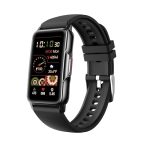
Yes, smartwatches do emit a small amount of radiation, but the levels are generally considered safe for everyday use. While they produce radiofrequency (RF) radiation similar to cell phones, the amount is much lower, making the potential health risks minimal.
Smartwatches have become an essential part of our lives, helping us stay connected, track fitness, and manage notifications conveniently on our wrists. But many users wonder if these tiny devices pose health risks due to radiation emissions. The truth is, smartwatches emit non-ionizing radiation, which is not strong enough to damage DNA or cause cancer. However, it’s understandable to be cautious, especially with prolonged exposure. This article explores how much radiation smartwatches emit, whether it’s safe, and what you can do if you’re concerned about exposure. So, if you’ve been curious or worried about your smartwatch’s radiation, read on to understand the facts better.

Does Smart Watch Emit Radiation? An In-Depth Look
Many people wonder whether using a smart watch exposes them to radiation. This concern stems from the fact that smart watches communicate wirelessly, similar to cell phones and tablets. Since wireless devices emit some form of electromagnetic radiation, it’s natural to ask if smart watches are safe to wear daily.
Understanding Wireless Communication in Smart Watches
Smart watches use wireless technology to connect with smartphones and the internet. They primarily rely on Bluetooth, Wi-Fi, and sometimes cellular signals. Each of these technologies involves emitting electromagnetic waves in different frequency ranges.
Bluetooth Technology and Radiation
Bluetooth operates on the 2.4 GHz frequency, similar to other wireless devices. It allows short-range communication, typically within 10 meters. Bluetooth devices emit low levels of radiofrequency radiation that are generally considered safe for everyday use.
Wi-Fi Connectivity and Its Emissions
When smart watches connect via Wi-Fi, they emit higher levels of radiation compared to Bluetooth. Wi-Fi uses radio waves in the 2.4 GHz or 5 GHz bands to transmit data. However, most smart watches do not constantly use Wi-Fi and only do so when syncing or updating data.
Cellular Capabilities and Radiation Levels
Some smart watches can connect directly to cellular networks, which involves higher radiation emissions. Cellular signals operate in the 700 MHz to 2.7 GHz range, and the power levels are higher than Bluetooth or Wi-Fi. Nonetheless, these emissions are regulated to ensure safety for users.
Are the Radiation Levels from Smart Watches Dangerous?
Scientific studies show that the electromagnetic radiation emitted by smart watches is extremely low. These levels are well below the safety limits set by health authorities such as the Federal Communications Commission (FCC) and the World Health Organization (WHO).
Comparison with Other Devices
| Device Type | Typical Radiation Output (in milliwatts) | Health Risk |
|---|---|---|
| Smart Watch (Bluetooth) | Less than 1 milliwatt | Minimal, considered safe |
| Smart Watch (Wi-Fi) | 3-10 milliwatts | Minimal, within safety limits |
| Cell Phone | 0.1-2 watts (100-2000 milliwatts) | Higher, but regulated for safety |
| Microwave Oven | 1000 watts | Not comparable, different technology |
Regulations and Safety Standards
Regulatory agencies worldwide set strict limits on radiofrequency radiation exposure. These standards ensure that devices such as smart watches emit radiation well within safe boundaries. The specific absorption rate (SAR) measures the rate at which the body absorbs energy from radiofrequency waves.
SAR Values in Smart Watches
Most smart watches have SAR values below 1.0 watt per kilogram, which is the safety threshold established by the FCC. For comparison, the SAR limit for cell phones is also 1.6 watts per kilogram over a gram of tissue.
Environmental and Long-Term Exposure Considerations
Concerns about long-term exposure to low-level radiation are common. Current scientific evidence does not indicate health risks from regular smart watch use. Continuous monitoring and research help ensure safety standards remain effective and relevant.
Potential Biological Effects
Research has yet to find conclusive evidence linking low-level electromagnetic radiation from wearable devices to adverse health effects. Most studies focus on higher exposure levels typical of cell phone use, not the extremely low emissions of smart watches.
Mitigating Any Potential Risks
If you are concerned about radiation exposure, there are simple steps to reduce it. Limit the amount of time you wear your smart watch or turn off wireless features when not needed. Always keep your device updated to benefit from safety improvements.
Best Practices for Safe Smart Watch Use
- Disable Wi-Fi or Bluetooth when not in use.
- Use airplane mode during periods of inactivity.
- Avoid keeping your smart watch close to your body for extended periods.
- Choose models with lower SAR values if possible.
Related Topics and Additional Information
How Wearables Compare to Cell Phones
While cell phones can emit higher levels of radiation due to prolonged use and direct contact with the head, smart watches emit minimal radiation and are not typically held close to the body for long periods.
The Future of Wearable Technology and Safety
Advances in wireless technology aim to reduce electromagnetic emissions further. Manufacturers are continually working on improving device safety and minimizing radiation exposure.
Understanding Wi-Fi and Bluetooth Safety
Both Wi-Fi and Bluetooth are considered safe based on current scientific understanding. Their low power output and regulated standards reduce the potential risk of health issues.
This comprehensive overview shows that while smart watches do emit some radiation, their levels are very low and generally regarded as safe. By understanding the technology and safety regulations, users can comfortably wear their devices without concern over health risks.
Apple Watch EMF Radiation [Everything You Need To Know] | EMF Protection
Frequently Asked Questions
What types of radiation do smartwatches emit?
Smartwatches primarily emit non-ionizing radiation in the form of radiofrequency (RF) signals, which are used for wireless communication such as Bluetooth, Wi-Fi, and cellular connectivity. These signals are similar to those emitted by mobile phones and are generally considered safe at low exposure levels. Unlike ionizing radiation, RF radiation does not have enough energy to remove electrons from atoms or molecules, which minimizes potential health risks.
Are there any health concerns associated with radiation from smartwatches?
Current research indicates that the low levels of RF radiation emitted by smartwatches are unlikely to cause health problems with normal use. Regulatory agencies, including the World Health Organization and the Federal Communications Commission, set safety limits for RF exposure to ensure user safety. Nonetheless, individuals who are concerned about radiation exposure can minimize risks by limiting prolonged contact or keeping the device away from the body when not in use.
How can users reduce exposure to radiation from their smartwatches?
To reduce exposure, users can take simple precautions such as turning off Bluetooth or Wi-Fi functions when not needed, using the device in airplane mode, or keeping the watch away from the wrist during periods of non-use. Additionally, opting for models that operate at lower transmission power or have better shielding can also help mitigate concerns about radiation exposure.
Do all smartwatches emit the same level of radiation?
No, different smartwatches emit varying levels of RF radiation depending on their features, communication protocols, and power settings. Devices with higher transmission power or those that constantly communicate with other devices tend to emit more radiation. Checking the specifications and safety certifications of a smartwatch can help consumers choose models with minimal RF emissions.
Is there any evidence linking smartwatch radiation to health risks?
There is currently no conclusive evidence linking the radiation emitted by smartwatches to adverse health effects. Extensive studies have not demonstrated consistent or significant health risks from the low levels of RF radiation produced by these devices. Ongoing research continues to monitor potential long-term impacts, but the existing data suggests that smartwatches are safe for everyday use.
Final Thoughts
Smartwatches emit low levels of radiation, similar to other electronic devices like smartphones. This radiation mainly comes from Bluetooth, Wi-Fi, and cellular signals.
Most experts agree that the exposure is minimal and unlikely to harm health when used normally.
In conclusion, does smart watch emit radiation? Yes, it does, but the levels are generally considered safe for everyday use.