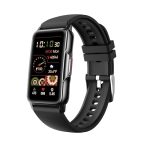
Smart watches are like tiny personal assistants strapped to your wrist, offering a variety of functions that make everyday life easier and more connected. They can track your health, keep you connected, and even help you stay productive without needing to reach for your phone all the time. Whether you’re counting steps, monitoring your heart rate, or receiving notifications, these devices are designed to enhance your lifestyle in numerous ways.
In short, smart watches can monitor your health metrics, notify you of messages and calls, control music, and provide quick access to apps. They blend convenience with technology, helping you stay active, organized, and connected right from your wrist.
Imagine a device that not only tells the time but also tracks your fitness, monitors your health, and keeps you connected on the go. Smart watches have evolved from simple timepieces into versatile gadgets that serve multiple functions, making our lives more convenient and efficient. From fitness enthusiasts to busy professionals, everyone can benefit from the numerous capabilities of these compact devices. Whether you’re aiming to stay healthy, manage your schedule, or stay in touch, smart watches are transforming how we interact with technology every day.

What can smart watches do? Exploring the Many Features of Modern Wearables
Introduction to Smart Watches
Smart watches are more than just stylish accessories; they are powerful devices packed with features that assist in daily life. They can track health, send messages, and even control other gadgets. These wearable tech devices continue to evolve, offering more functions with each new model.
Health and Fitness Tracking Capabilities
One of the main uses of smart watches is monitoring health. They can track steps, distance traveled, and calories burned throughout the day. Many models include heart rate sensors that give real-time updates on your pulse.
Heart Rate Monitoring
Smart watches use optical sensors to measure your heart rate continuously. This allows users to see how their heart responds during different activities like walking or exercising. Some devices even alert you if your heart rate unexpectedly rises or falls.
Sleep Tracking
Many smart watches monitor sleep patterns by detecting movements and heart rate changes during sleep hours. They can distinguish between light, deep, and REM sleep stages. This data helps users improve their sleep quality with personalized tips.
Step and Activity Tracking
Counting steps is a standard feature on most smart watches. They also record other activities like running, cycling, and swimming. Some models come with preset workout modes for specific sports, providing detailed metrics.
Blood Oxygen and ECG Monitoring
Advanced smart watches now include SpO2 sensors that measure blood oxygen levels. Some devices also offer electrocardiogram (ECG) features, providing insights into heart health and detecting irregular rhythms.
Communication and Connectivity Features
Smart watches make it easy to stay connected without pulling out your phone. They support various communication functions that keep you in touch on the go.
Notifications and Alerts
Receive notifications for calls, messages, emails, and app alerts directly on your wrist. Users can customize which alerts to see and even dismiss them without unlocking their phone.
Making Calls and Sending Messages
Many smart watches have built-in microphones and speakers. This allows users to make phone calls or reply to messages using voice commands or quick replies. Some devices enable calling via Bluetooth connection to smartphones.
App Support and Integration
Smart watches sync with smartphones and support numerous apps. Users can control music playlists, check weather updates, or access fitness apps seamlessly from their wrist. Compatibility spans iOS and Android platforms.
Smart Features for Daily Convenience
Beyond health and communication, smart watches incorporate features to make everyday tasks easier.
Music Control
Control your favorite playlists directly from your smart watch. Play, pause, skip tracks, or adjust volume without reaching for your phone.
Navigation Assistance
Built-in GPS and mapping features help users navigate unfamiliar places. Smart watches can give turn-by-turn directions, ideal for walking or cycling routes.
Contactless Payments
Many devices support NFC technology for making secure payments with services like Apple Pay, Google Pay, or Samsung Pay. Tap your watch at compatible terminals to purchase items quickly.
Weather and Calendar Updates
Stay informed about weather conditions and upcoming appointments. Smart watches can display calendar alerts and weather forecasts at a glance.
Health Monitoring Beyond Basics
Modern smart watches not only track basic health metrics but also offer advanced insights.
Stress and Wellness Tracking
Some devices monitor stress levels through heart rate variability. They suggest breathing exercises or relaxation techniques to help manage stress effectively.
Menstrual Cycle Tracking
Women can track their menstrual health directly on the watch. This feature provides cycle predictions, symptom logging, and fertility insights.
Fitness Coaching and Motivation
Many smart watches include personalized coaching programs. They motivate users to meet daily activity goals and stick to workout routines.
Smart Watch Technologies and Sensors
The versatility of smart watches depends on their hardware and sensors.
Accelerometers and Gyroscopes
These sensors detect movements and orientation, enabling accurate activity tracking and fall detection features.
GPS and Location Tracking
Built-in GPS allows precise tracking of outdoor activities. It also helps with navigation and location sharing.
Optical and Electrical Sensors
Optical sensors monitor heart rate and SpO2 levels, while electrical sensors enable ECG functions.
Water Resistance and Durability
Most smart watches are durable, with water resistance suitable for swimming and showering. Materials like stainless steel, aluminum, and high-grade plastics improve longevity.
Controlling Smart Home Devices
Smart watches can act as remote controls for connected home gadgets.
Home Automation Control
Use your watch to turn lights on or off, adjust thermostats, or lock doors. Compatible apps make managing smart home systems simple.
Voice Assistants on Your Wrist
Many smart watches include voice assistants like Siri, Google Assistant, or Bixby. Voice commands enable hands-free control of devices and information retrieval.
What Are the Limitations of Smart Watches?
While features are impressive, smart watches still have limitations.
Battery Life Constraints
Most devices need daily or bi-daily charging, especially when GPS and health monitoring features are active continuously.
App Compatibility and Updates
Not all apps are available on smart watches, and updates may require syncing with smartphones regularly.
Data Privacy and Security
Personal health and communication data stored on smart watches must be protected. Users should ensure their devices have proper security measures.
Future Trends in Smart Watches
The future of smart watches looks promising with ongoing innovations.
Advanced Health Sensors
Expect more devices to incorporate sensors for blood pressure, glucose monitoring, and even more precise ECGs.
Enhanced Battery Technology
Better battery life through new materials and energy-saving features will reduce charging frequency.
Integration with Augmented Reality
Future smart watches may feature AR capabilities for immersive experiences and improved navigation.
Greater Customization and User Interface Improvements
Expect more personalized watch faces, better touchscreens, and intuitive controls for easier use.
Related Topics You Might Find Useful
- Choosing the Best Smart Watch for Your Needs
- How to Care for Your Smart Watch
- Comparing Android and Apple Smart Watches
- Smart Watch App Recommendations
This overview offers a comprehensive look at what smart watches can do today. From health tracking to daily convenience, these devices continue to add new features that support a more active, connected life.
Do You Really Need Smartwatch in Everyday Life?
Frequently Asked Questions
Can smartwatches track health metrics besides heart rate?
Yes, smartwatches can monitor various health metrics such as sleep patterns, blood oxygen levels, step count, and calories burned. Some models even offer advanced features like ECG readings and stress level assessments, helping users stay informed about their overall wellness.
How do smartwatches help with daily organization and reminders?
Smartwatches assist in managing daily tasks by providing notifications for calls, messages, emails, and calendar events. They allow users to set reminders, alarms, and timers directly from their wrist, ensuring important tasks and appointments are never missed.
Are smartwatches capable of controlling smart home devices?
Many smartwatches are compatible with smart home ecosystems, enabling users to control devices like lights, thermostats, and security cameras through dedicated apps or voice commands. This feature offers convenient access to home management right from the wrist.
Can smartwatches track exercise and physical activity?
Absolutely. Smartwatches usually come with activity tracking features that monitor specific workouts such as running, cycling, swimming, and more. They provide real-time stats and encourage users to stay active by setting goals and offering motivational feedback.
Do smartwatches support music and media control?
Yes, most smartwatches allow users to control music playback on their smartphones or connected devices. They enable skipping tracks, adjusting volume, and pausing music directly from the watch, making it easier to enjoy media while on the move.
Final Thoughts
Smart watches offer a variety of functions that enhance daily life. They track fitness, monitor health metrics, and provide quick access to notifications. Many models also support apps, making tasks more convenient.
These devices help users stay connected, manage schedules, and even make calls directly from the wrist. Their versatility makes them valuable tools for both fitness enthusiasts and busy professionals.
What can smart watches do? They combine convenience, health tracking, and communication in a compact design, making everyday activities simpler and more efficient.