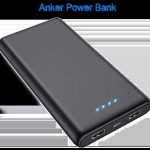
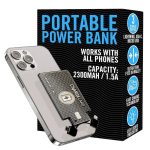
A power bank is like a portable lifeline for your iPhone, giving you extra battery when you’re on the go. Want to keep your device charged without being tethered to a wall outlet? Just plug in your iPhone to the power bank, and it instantly starts transferring power to recharge your device’s battery. In simple terms, a power bank stores electrical energy inside its built-in batteries, which can then be used to charge your iPhone whenever needed.
A power bank works by using its internal rechargeable batteries to store energy, which is then delivered to your iPhone through a USB port. When connected, it supplies a controlled flow of electrical current, effectively boosting your phone’s battery life during the day or on long trips.
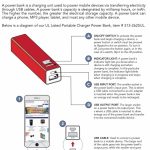
Power banks contain a battery, a circuit to control charging and discharging, and a USB output port. When you connect your iPhone, the circuit manages the transfer of energy, ensuring your device charges efficiently and safely. This makes power banks incredibly handy for staying connected, especially when you’re away from power sources for extended periods.

How Does a Power Bank Work for iPhone
Understanding the Basic Function of a Power Bank
A power bank is a portable device that stores electrical energy in a rechargeable battery. It allows you to charge your iPhone when you don’t have access to a wall outlet. When connected, it can provide a quick and reliable power boost to keep your device running.
Components That Make Up a Power Bank
A typical power bank contains several key parts:
- Battery Cell: Usually lithium-ion or lithium-polymer, it stores the electrical energy.
- Circuit Board: Manages power flow and protects against overloads.
- Input Port: Usually a USB-C or Micro USB for recharging the power bank itself.
- Output Port: USB-A or USB-C port to connect your iPhone for charging.
Each of these components works together to deliver a seamless charging experience.
How Does the Power Bank Store Energy?
The process begins when you charge the power bank by plugging it into an electrical outlet. The energy flows into the battery cell through the input port. Once fully charged, the power bank is ready to supply power to your iPhone.
Converting Stored Energy for Your iPhone
When you connect your iPhone to the power bank:
- The power bank’s circuit detects the device’s power requirements.
- It converts the stored energy into a suitable voltage and current.
- The energy flows through the output port into your iPhone’s charging port.
This controlled process ensures that your iPhone receives a safe and steady charge.
Voltage and Current: The Heart of Charging
Power banks typically supply a voltage of 5 volts, which is standard for USB charging. The current varies depending on the power bank’s design, usually from 1 amp to 3 amps for fast charging. The combination of voltage and current determines how quickly your iPhone charges.
Quick Charging Technologies
Many modern power banks support fast charging protocols like Power Delivery (PD) or Qualcomm Quick Charge. These technologies enable higher voltages and currents, reducing charging time for your iPhone. Your device must also support these protocols to benefit from faster charging speeds.
The Role of Battery Capacity
Power bank capacities are measured in milliampere-hours (mAh). A higher capacity means more stored energy:
- 10000mAh can typically recharge an iPhone 8 about two to three times.
- 20000mAh or more provides multiple full charges or can charge larger iPhones multiple times.
Choosing the right capacity depends on your daily usage and travel needs.
How to Optimize Power Bank Usage for iPhone
To get the most out of your power bank:
- Use high-quality cables and adapters to prevent compatibility issues.
- Avoid overcharging your power bank to extend its lifespan.
- Charge your power bank periodically, even if you’re not using it often.
- Keep the power bank in a cool, dry place to prevent battery degradation.
These steps help ensure efficient and safe charging of your iPhone.
Additional Features That Enhance Power Bank Functionality
Some power banks include:
- Multiple Output Ports: Charge more than one device simultaneously.
- LED Indicators: Show remaining battery capacity.
- Wireless Charging: Allow for wireless charging of compatible iPhones without cables.
- Built-in Cables: Some models have integrated cables for quick use.
These features improve usability based on your specific needs.
Compatibility Between Power Banks and iPhones
Most power banks are compatible with iPhones because they use standard USB ports and voltage levels. However, it’s wise to check if your power bank supports fast charging protocols used by newer iPhone models. Compatibility ensures safe and efficient charging.
Safety and Precautions When Using Power Banks
Always prioritize safety:
- Avoid exposing the power bank to water or extreme temperatures.
- Use certified and high-quality charging cables.
- Don’t overuse the power bank beyond its capacity limits.
- Discontinue use if the power bank overheats or shows signs of damage.
These precautions help maintain the longevity of both your power bank and iPhone.
Environmental Impact of Power Banks
Modern power banks are designed to be rechargeable, reducing waste. Proper recycling at the end of their life cycle minimizes environmental harm. Choosing eco-friendly models with longer lifespans can also make a positive impact.
Summary of How Power Banks Power Your iPhone
In essence, a power bank stores electrical energy in its battery, carefully manages the flow of this energy through circuitry, and delivers it via a USB port to your iPhone. Its capacity, voltage, and current regulation ensure your device charges quickly and safely while on the go. Keeping these components in good condition and understanding their function helps you make the most of your portable charging device.
This comprehensive overview provides a clear understanding of how a power bank works for iPhone. By knowing the components involved, the charging process, and safety tips, you can select the right power bank and use it effectively whenever you need a boost of power.
How Does a Power Bank Work? A Beginner's Guide
Frequently Asked Questions
How does a power bank transfer energy to an iPhone?
A power bank stores electrical energy in its internal batteries. When you connect your iPhone to the power bank using a charging cable, the power bank supplies this stored energy through its USB port. The current flows from the battery of the power bank into your iPhone, allowing it to charge. The process involves a conversion of stored DC power into a form compatible with your iPhone’s charging port, making it simple to recharge your device on the go.
What role does the charging cable play in the functioning of a power bank with an iPhone?
The charging cable acts as the conduit for electrical current between the power bank and your iPhone. It connects the power bank’s output port to your phone’s charging port, ensuring that the energy flows efficiently. A good quality cable with appropriate specifications helps prevent power loss and ensures safe charging, providing a steady current for your iPhone’s battery to recharge without interruption.
How does the power bank regulate the charging process for an iPhone?
Power banks use intelligent circuitry to monitor and control the charging process. When connected to an iPhone, the circuitry detects the device’s power requirements and adjusts the output voltage and current accordingly. This regulation prevents overcharging or overheating, ensuring your iPhone charges safely and efficiently. Some power banks also have multiple output ports with different power levels to accommodate various devices.
What happens inside a power bank when it is charging an iPhone in terms of energy conversion?
Inside a power bank, chemical energy stored in its batteries converts into electrical energy through electrochemical reactions. When you begin charging your iPhone, this electrical energy is transferred via the power bank’s circuitry, converting from DC (direct current) stored in the batteries to the current delivered to your iPhone. The electrical energy then flows through the charging cable into your phone’s battery, replenishing its energy reserve.
Can a power bank charge an iPhone quickly, and how does it achieve fast charging?
Yes, many power banks support fast charging protocols that deliver higher current levels to your iPhone. They incorporate advanced circuitry to recognize compatible devices and provide increased power output. When connected, these power banks supply a rapid and controlled flow of energy, enabling your iPhone to recharge faster than standard charging. Ensuring your device and power bank both support fast charging standards maximizes this benefit.
Final Thoughts
A power bank works for iPhone by storing electrical energy in its internal battery. When you connect your device, the power bank transfers this energy through a USB port, recharging the iPhone’s battery. It acts as an external battery source, providing power when your phone’s battery runs low.
In summary, how does a power bank work for iPhone? It seamlessly delivers stored power to keep your device charged on the go, making it a practical accessory for everyday use.