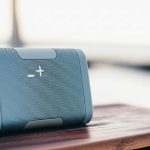
Wondering if your waterproof sound box can handle a dip in the ocean? While “waterproof” often means fresh water, saltwater poses unique challenges. The key lies in the sound box’s IP rating, materials, and crucial post-saltwater care. Understanding these factors will help you determine its survival chances and how to best protect your audio companion.
## Can Waterproof Sound Box Survive Salt Water?
Imagine yourself at the beach, the waves lapping at the shore, and your favorite tunes are playing. Sounds idyllic, right? You might have a “waterproof” sound box, and you’re wondering if it can handle a splash from the ocean or even a brief dip. It’s a common question, and the answer isn’t a simple yes or no. While many sound boxes are built to withstand water, the nuances of saltwater versus freshwater can make a big difference. Let’s dive into what you need to know to protect your audio gear from the salty embrace of the sea.
The term “waterproof” can be a bit misleading in the world of electronics. Often, what’s advertised as waterproof is actually water-resistant, and the level of resistance varies greatly. When we talk about saltwater, we’re introducing a whole new set of challenges that fresh water simply doesn’t present. The corrosive nature of salt can wreak havoc on unprotected components, and even the best seals can eventually be compromised. So, understanding the science behind waterproofing and the specific threats of saltwater is your first step in protecting your investment.
### Understanding the IP Rating System
The International Protection (IP) rating is your best friend when it comes to understanding how well your sound box can handle water and dust. You’ll usually see it as “IP” followed by two numbers. The first number relates to solid particle protection (like dust), and the second number relates to liquid ingress protection. For our discussion on water, the second digit is what we’re most interested in.
* IPX7: This rating means the device can be submerged in water up to 1 meter for 30 minutes. This is generally considered good for accidental splashes and brief dunkings in freshwater.
* IPX8: This rating is even better, indicating that the device can withstand submersion beyond 1 meter for a duration specified by the manufacturer. This is often the benchmark for truly submersible devices.
However, here’s the crucial point: these ratings are almost universally tested using *freshwater*. Saltwater, with its dissolved salts and minerals, behaves differently and can be much more damaging. A sound box that earns an IPX7 rating for freshwater might not perform as well, or for as long, in saltwater.
### The Corrosive Nature of Saltwater
Saltwater isn’t just water; it’s a complex solution of water and various salts, primarily sodium chloride. When this solution comes into contact with the internal components of your sound box, it can cause significant damage.
* Corrosion: Metal components, even those designed to be somewhat resistant, can corrode when exposed to salt. This includes speaker cones, internal wiring, and even screws or fasteners. Corrosion weakens these parts and can lead to electrical shorts or outright failure.
* Seal Degradation: The rubber or silicone seals that keep water out are designed to be flexible and durable. However, prolonged exposure to saltwater can dry them out, make them brittle, or even cause them to break down, compromising the watertight integrity.
* Crystallization: As saltwater evaporates, it leaves behind salt crystals. These crystals can get lodged in ports, buttons, or moving parts, hindering their function or even causing damage.
Think of it like leaving a metal object out in the sea air for a long time without cleaning it. You’ll start to see rust and pitting. Your sound box, even if it’s designed for outdoor use, can suffer a similar fate if exposed to saltwater without proper precautions.
### Material Matters: What Your Sound Box is Made Of
The materials used in the construction of your sound box play a vital role in its ability to survive saltwater. Manufacturers aiming for ruggedness will often choose materials that are inherently more resistant to the elements.
* Plastics: High-quality, dense plastics like ABS or polycarbonate are generally good choices. They are less porous and more resistant to chemical breakdown than cheaper, flimsier plastics. Avoid sound boxes with visible gaps or seams in the plastic.
* Metals: If your sound box has metal components, look for those made from stainless steel or anodized aluminum. These materials are much more resistant to corrosion than standard steel or iron. Be wary of any exposed chrome plating, as it can chip and lead to rust underneath.
* Fabric and Grilles: The fabric covering the speaker and the grille itself can also be affected. Materials that are water-repellent and resistant to UV rays are best. Some higher-end waterproof speakers even use special hydrophobic coatings on their speaker fabrics.
* Seals and Gaskets: As mentioned, the quality of the rubber or silicone seals is paramount. They should feel pliable and robust, not dry or crumbly.
When shopping for a new waterproof sound box, especially if you plan on taking it to the beach or near the ocean, look for manufacturers that specifically mention saltwater resistance or use corrosion-resistant materials in their product descriptions. This is where understanding specific product details becomes more important than just a generic “waterproof” label.
### The Difference Between Freshwater and Saltwater Survival
It’s important to reiterate that most waterproof claims are based on freshwater immersion tests. A device that passes IPX7 in freshwater might leak or suffer damage if submerged in saltwater for the same duration. Why? Because the salts and minerals in saltwater increase its conductivity and can more aggressively attack any weak points in the casing or seals.
If you have a sound box that is advertised as waterproof, it’s generally safe to assume it can handle accidental splashes or brief immersion in freshwater. However, taking it into the ocean is a different ballgame. A quick splash from a rogue wave might be okay, especially if you rinse it immediately. But deliberate submersion or extended exposure to salty environments is where you run a higher risk of damage.
Consider the case of a beach party. You might have a speaker playing music, and people are enjoying the sound. If someone accidentally knocks it into the shallow surf, and you quickly retrieve it, it might be fine. But if you’re using it for a boat trip where it’s constantly splashed with seawater, or you’re using it for swimming and it sinks to the bottom of the ocean, the chances of survival diminish significantly unless it’s specifically designed for that level of saltwater abuse. You can learn more about how Bluetooth speakers handle submersion in water by reading our article, [Can Bluetooth Speakers Survive Full Submersion In Water Shocking Truth].
### Essential Post-Saltwater Care: What to Do Immediately
So, let’s say the worst happens, and your waterproof sound box takes a saltwater bath. Don’t panic immediately, but act fast. The most critical step you can take is thorough rinsing with fresh water.
1. Rinse Immediately: As soon as possible, rinse your sound box thoroughly with clean, fresh tap water. Use a gentle stream and make sure to get into all the nooks and crannies. If you have a way to spray it with a garden hose (on a low setting), that’s even better.
2. Focus on Seals and Ports: Pay special attention to any openings, ports (like charging ports or auxiliary inputs), button surrounds, and speaker grilles. These are areas where salt crystals can easily form.
3. Do Not Submerge Again: Once you’ve rinsed it, do not submerge it in fresh water again. The goal is to remove the salt, not to test its freshwater rating further.
4. Dry Thoroughly: After rinsing, dry the exterior of your sound box with a soft, lint-free cloth. Leave it to air dry completely in a warm, dry place. Ensure all ports are completely dry before attempting to charge or use it.
5. Inspect Carefully: Once it’s dry, inspect it for any signs of damage, corrosion, or stiffness in the seals. If you notice any issues, it might be a good time to contact the manufacturer or consider professional repair.
Proper rinsing is the single most important thing you can do to mitigate the damage caused by saltwater. It removes the corrosive salts before they can do long-term harm. If you’re planning on using your speaker near the ocean, it’s worth knowing how it handles moisture. For instance, understanding [Can Bluetooth Speakers Handle Salt Air And Moisture Shocking Truth] can give you a heads-up on general durability.
### Tips for Protecting Your Sound Box at the Beach
Taking your sound box to the beach or on a boat trip is fantastic, but it requires some proactive measures to keep it safe. Here are some practical tips:
* Choose Wisely: When buying a new sound box for beach or marine use, prioritize models specifically designed for harsh environments or those with high IP ratings (IPX7 or IPX8) and explicitly mention saltwater resistance. Brands that specialize in outdoor or marine audio are often a good bet. Check out guides on [Which Brand Makes Best Waterproof Speakers For Beach Use Amazing Sound] for ideas.
* Keep it Away from Direct Water: Even with a waterproof speaker, it’s best to keep it out of the direct path of waves or splashes. Place it on a towel or a stable surface away from the immediate shoreline.
* Use a Waterproof Case or Bag: For extra protection, especially during transport or when not in use, consider a dedicated waterproof case or dry bag. This adds an extra layer of defense against saltwater.
* Cover Ports: Ensure all port covers are firmly closed and sealed before exposing the sound box to potential water.
* Avoid Submersion Unless Explicitly Stated: Unless the manufacturer clearly states the device is designed for *submersion in saltwater*, err on the side of caution and avoid intentionally dropping it into the ocean. While some devices might survive, it’s a gamble.
* Regular Maintenance: Periodically inspect the seals and casing for any signs of wear and tear. Clean any accumulated dirt or debris from around the seals.
Remember, even the most rugged sound box has its limits. Treating it with care, especially in environments like the beach, will ensure it keeps the tunes flowing for a long time. For general outdoor use and rain, many speakers fare well; you can read about this in [Can Bluetooth Speaker Survive Accidental Rain Absolutely].
In conclusion, while many sound boxes are marketed as waterproof, their ability to survive saltwater is a much more nuanced question. The key lies in understanding the IP rating, the corrosive nature of salt, the materials used in construction, and most importantly, taking immediate and proper care if your device does encounter saltwater. By being informed and proactive, you can enjoy your music by the water with greater peace of mind.
Key Takeaways
- IP Ratings are Crucial: Look for an IP rating of IPX7 or higher for basic water resistance, but IPX8 is better for submersion. Saltwater requires specific considerations beyond just basic waterproofing.
- Saltwater is Corrosive: Unlike fresh water, saltwater contains minerals that can corrode metal components, damage seals, and degrade plastics over time.
- Material Matters: The type of materials used in your sound box’s construction significantly impacts its ability to withstand saltwater. Corrosion-resistant metals and durable, non-porous plastics are ideal.
- Sealing is Paramount: The integrity of the seals around ports, buttons, and speaker grilles is the first line of defense against saltwater intrusion.
- Freshwater vs. Saltwater: Most “waterproof” claims are tested using fresh water. Saltwater’s corrosive nature means a sound box that survives fresh water might not survive prolonged saltwater exposure.
- Rinsing is Essential: If your sound box does encounter saltwater, immediate and thorough rinsing with fresh water is critical to remove corrosive salt residue.
- Maintenance is Key: Regular inspection of seals and protective measures can extend the life of your sound box, even in challenging environments.
Frequently Asked Questions
Can any waterproof sound box survive saltwater?
Not all “waterproof” sound boxes are created equal when it comes to saltwater. While they might be rated for freshwater immersion (e.g., IPX7 or IPX8), the corrosive nature of salt can damage components and seals over time. Always check if the manufacturer specifically states saltwater resistance.
What is the biggest threat saltwater poses to a sound box?
The biggest threat is corrosion. Saltwater contains dissolved minerals that can aggressively attack metal components like speaker drivers and internal wiring. It can also degrade the rubber or silicone seals that keep water out, compromising the sound box’s integrity.
If my sound box gets salt water on it, what should I do first?
Immediately rinse it thoroughly with fresh, clean tap water. This is the most crucial step to remove the corrosive salt before it can cause damage. Ensure all ports and openings are flushed.
How can I tell if my sound box is truly saltwater resistant?
Look for explicit mentions of saltwater resistance in the product’s specifications or marketing materials from the manufacturer. A high IP rating (like IPX8) is a good start, but it’s best to have confirmation that it’s tested for or resistant to saltwater conditions.
Are there specific materials that make a sound box better for saltwater environments?
Yes, sound boxes made with corrosion-resistant metals like stainless steel or anodized aluminum, and durable, non-porous plastics like ABS or polycarbonate are generally better suited for saltwater. High-quality, pliable seals are also essential.
What happens if I submerge a freshwater-rated sound box in saltwater?
While it might survive a very brief, accidental dunking if retrieved quickly, prolonged submersion is risky. The salt can more easily penetrate seals and corrode internal components, potentially leading to permanent damage and failure of the sound box.