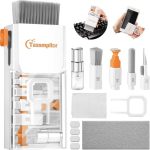
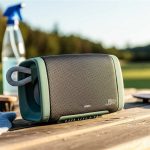
Yes, you can wash a waterproof sound box, but carefully! Always check your specific model’s IP rating and manufacturer’s instructions before rinsing. Use gentle methods and avoid harsh chemicals to maintain its sound quality and waterproofing.
## Can I Wash My Waterproof Sound Box?
So, you’ve got one of those awesome waterproof sound boxes. You can take it to the beach, by the pool, or even out in a light rain shower without a second thought. That’s pretty cool, right? But then, life happens. Maybe you spilled some sticky soda on it, or it got a little dusty from an outdoor adventure. The question pops into your head: “Can I wash my waterproof sound box?” It’s a valid question, and the answer isn’t a simple yes or no. It’s more like a “yes, but you need to be smart about it.”
These rugged little speakers are designed to handle a bit more than your average indoor gadget. Their waterproof rating is what makes them so versatile. But “waterproof” doesn’t always mean “indestructible” or “dishwasher safe.” There are specific guidelines you need to follow to keep your waterproof sound box in top-notch condition, both in terms of its sound and its ability to repel water. Let’s dive into how you can clean your device without turning it into a soggy paperweight.
Understanding what makes your speaker “waterproof” is the first step. It all comes down to its Ingress Protection (IP) rating. This rating tells you how well it’s protected against solid objects (like dust) and liquids (like water). For example, an IPX7 rating means the device can be submerged in water up to 1 meter for 30 minutes. An IP67 rating means it’s dust-tight and can also be submerged. The higher the numbers, the better the protection. But even with high ratings, aggressive cleaning or improper handling can compromise these seals.
## Decoding Your Sound Box’s Waterproof Rating
Before you even think about reaching for a sponge, you need to know what your specific waterproof sound box can handle. This is where the IP rating comes into play. It’s usually found in the product manual, on the packaging, or sometimes even printed on the device itself.
### What is an IP Rating?
An IP rating consists of two digits. The first digit indicates protection against solid objects, while the second indicates protection against liquids.
* **First Digit (Solids):** This ranges from 0 (no protection) to 6 (dust-tight).
* **Second Digit (Liquids):** This ranges from 0 (no protection) to 9K (protection against high-pressure, high-temperature water jets).
For waterproof sound boxes, you’ll most commonly see ratings like:
* **IPX5:** Protected against water jets from any direction. This means it can handle splashes and rain.
* **IPX6:** Protected against strong water jets. It can handle more powerful sprays.
* **IPX7:** Protected against immersion in water up to 1 meter for 30 minutes. This is where it gets truly “waterproof” for temporary submersion.
* **IPX8:** Protected against continuous immersion in water under conditions specified by the manufacturer (usually deeper or longer than IPX7).
* **IP67:** Dust-tight and protected against immersion up to 1 meter for 30 minutes. This is a very common and robust rating for outdoor speakers.
If your speaker has a rating of IPX5 or IPX6, you can definitely rinse it under a tap or hose it down gently. If it’s IPX7 or IPX8, it can handle being submerged, but still, you need to be cautious. A rating of IPX0, IPX1, or IPX2 means it has very little water protection and you should probably avoid washing it with water altogether.
### The Importance of the Manual
While the IP rating gives you a general idea, the user manual is your ultimate guide. Manufacturers often include specific instructions for cleaning their products. Some might advise against using soap altogether, while others might specify the type of cloth to use. For instance, some brands might say you can rinse it with fresh water but not salt water, or that you should dry it immediately after exposure. Ignoring the manual is a sure way to potentially damage your speaker.
## How to Safely Clean Your Waterproof Sound Box
So, your speaker has a decent IP rating, and you’ve consulted the manual. Now comes the actual cleaning process. The goal is to remove dirt, grime, or sticky residue without compromising the speaker’s integrity.
### Gentle Washing with Damp Cloth
For everyday dust or light smudges, a simple damp cloth is often all you need.
* **What you need:** A soft, lint-free microfiber cloth and clean water.
* **How to do it:**
1. Ensure the sound box is powered off and disconnected from any charging cables.
2. Lightly dampen the microfiber cloth with clean water. It should be damp, not dripping wet.
3. Gently wipe down the exterior of the sound box. Pay attention to speaker grilles and control buttons.
4. If there are stubborn spots, you can use a tiny amount of mild, non-abrasive soap (like dish soap diluted in water) on the cloth.
5. Wipe the soap residue away with a clean, damp cloth.
6. Immediately after cleaning, use a dry, lint-free cloth to wipe down the entire speaker.
This method is safe for most waterproof speakers, including those with lower IP ratings. It’s always better to start with the gentlest method and only move to more intensive cleaning if necessary.
### Rinsing Under Running Water (For Higher IP Ratings)
If your sound box has an IP rating of IPX5 or higher, you might be able to rinse it under gently running tap water.
* **What you need:** A faucet with moderate water pressure and a clean towel.
* **How to do it:**
1. Make sure the speaker is turned off and all ports are securely closed or covered.
2. Hold the speaker under a gentle stream of cool or lukewarm tap water. Avoid hot water, as it can damage seals.
3. Gently rub any dirt or residue with your fingers or a very soft brush (like a new toothbrush).
4. Rinse thoroughly to remove any soap residue if you used any.
5. Crucially, dry the speaker immediately and thoroughly with a clean towel. Pay extra attention to any openings, seams, and charging ports.
**Important:** Do not use high-pressure water jets, like from a pressure washer or a strong faucet setting. This can force water past the seals, even on a waterproof device. Also, avoid using saltwater or chlorinated pool water for rinsing unless your manual explicitly states it’s safe and provides instructions for cleaning afterward.
### Cleaning Stubborn Grime or Spills
Sometimes, you might encounter sticky residues from drinks or dried-on mud. For these tougher situations, you’ll need a bit more care.
* **What you need:** Mild soap, lukewarm water, soft cloths, and possibly a soft brush.
* **How to do it:**
1. Ensure the speaker is off and all ports are sealed.
2. Mix a very small amount of mild liquid soap (like dish soap) with lukewarm water.
3. Dip a soft cloth into the soapy water, wring it out well so it’s just damp.
4. Gently scrub the affected areas. For crevices, you can use a soft brush dipped in the soapy water, but be careful not to push too hard.
5. Once the grime is gone, use a separate clean cloth dampened with plain water to wipe away all soap residue. This is vital to prevent sticky buildup.
6. Dry the speaker thoroughly with a soft, dry cloth.
**Avoid:** Harsh chemicals like alcohol, ammonia, solvents, or abrasive cleaners. These can damage the speaker’s casing, affect its waterproof coating, or even seep inside.
## What to AVOID When Washing Your Waterproof Sound Box
Even with a high IP rating, there are certain things you should absolutely avoid doing when cleaning your waterproof sound box. These are the quick ways to turn your robust speaker into a non-functional brick.
### Submerging Beyond Its Rating
If your speaker is rated for IPX7 (submersion up to 1 meter for 30 minutes), don’t leave it at the bottom of a swimming pool for hours. Don’t take it into a sauna or a hot tub unless the manual specifically says it’s designed for those extreme conditions. Stick to the limits specified by the IP rating and the manufacturer.
### Using High-Pressure Water
As mentioned before, high-pressure water can overwhelm even good seals. Imagine trying to spray water into a sealed bottle – if the pressure is high enough, it can still get in. This applies to your sound box too. Avoid using hose nozzles on a strong setting or placing it directly under a powerful faucet.
### Using Harsh Chemicals and Abrasives
This is a big one. Things like bleach, acetone, harsh detergents, or even abrasive sponges can scratch the surface, damage rubber seals, and potentially degrade the waterproof coatings. Always stick to mild soap and water.
### Washing While Charging
Never attempt to wash your speaker while it’s plugged in or charging. This is a serious electrical hazard and can damage both the speaker and the power source.
### Ignoring Port and Seam Integrity
Always double-check that all port covers are securely closed and that there are no visible gaps or damage to seams before introducing any water. If a rubber seal looks worn or damaged, it’s probably time to consider replacing the speaker or at least avoiding water exposure.
### Letting it Dry Improperly
After washing, proper drying is essential. If water is left in charging ports, it can cause corrosion or short circuits when you try to charge or use it. Leave all ports open to the air to dry completely.
## Drying Your Sound Box: A Crucial Step
Drying your waterproof sound box properly is just as important as the cleaning itself. This is especially true for the charging ports and any openings.
### Thorough Exterior Drying
Use a clean, soft, lint-free towel to gently wipe down the entire exterior of the speaker. Make sure to get into all the nooks and crannies.
### Ensuring Ports Are Dry
This is critical. If your speaker has USB ports, auxiliary jacks, or other openings, ensure they are completely dry before you even think about plugging anything in or turning the device on if it was recently submerged. You can let it air dry in a well-ventilated area. Sometimes, gently shaking the speaker can help dislodge any water trapped inside ports. Avoid using compressed air directly into ports, as this can force water deeper inside.
### Waiting Before Charging or Using
It’s wise to give your speaker ample time to air dry after any significant water exposure, even if it’s rated waterproof. Let it sit for several hours (or even overnight for peace of mind) in a dry environment before attempting to charge it or use it extensively. This ensures any residual moisture has evaporated.
## When to Call a Professional or Replace
Sometimes, despite your best efforts, your waterproof sound box might develop issues.
### Signs of Compromised Waterproofing
If your speaker starts to sound distorted after getting wet, if the buttons become unresponsive, or if you notice condensation inside the casing, its waterproofing might be compromised. Water ingress can damage the internal components.
### Considering Replacement
If your speaker is old, shows signs of wear and tear on its seals, or has suffered a significant water incident that seems to have damaged it, it might be time to consider a replacement. Modern waterproof speakers are more durable and offer better protection than older models. For instance, if you’re heading to the beach and want to pair your speaker with your phone, there are even ways to pair a Bluetooth speaker with a phone in a waterproof case.
### Professional Repair
For high-end models, you might consider professional repair if there’s a minor issue, but often, the cost of repair can approach the cost of a new speaker, especially for less common brands. Always check your warranty first.
## Conclusion: Wash Smart, Play Loud
So, can you wash your waterproof sound box? Yes, you absolutely can, but with a good dose of common sense and respect for its design. Always prioritize checking its IP rating and consulting the user manual. Gentle cleaning with a damp cloth is usually sufficient for most situations. For higher IP ratings, a careful rinse under running water might be okay, but high-pressure water, harsh chemicals, and submersion beyond the rated limits are definite no-gos.
Remember that “waterproof” is a design feature to enhance your listening experience in various environments, not a license to abuse your device. By following these guidelines, you can keep your waterproof sound box clean, functional, and ready to deliver awesome sound wherever your adventures take you, from connecting to your PS5 for some gaming audio to enjoying music by the pool.
Key Takeaways
- Check the IP Rating: The Ingress Protection (IP) rating is crucial. Higher numbers mean better protection against dust and water.
- Consult the Manual: Always refer to your sound box’s user manual for specific cleaning recommendations and limitations.
- Gentle Cleaning is Key: Use a damp cloth, mild soap, and lukewarm water for most cleaning tasks.
- Avoid Submersion (Unless Specified): Even waterproof speakers might have limitations on depth and duration of submersion.
- Dry Thoroughly: Ensure all ports and openings are completely dry before attempting to charge or use the speaker again.
- No Harsh Chemicals: Avoid abrasive cleaners, solvents, or high-pressure water, as these can damage the seals and electronics.
- Test Before Heavy Use: After cleaning, test the sound quality and waterproofing in a controlled environment if possible.
Frequently Asked Questions
Can I use soap to clean my waterproof sound box?
Yes, you can use a very mild, non-abrasive soap diluted in water for cleaning stubborn grime. However, always rinse thoroughly with clean water afterward to remove all soap residue and avoid harsh detergents.
What does an IPX7 rating mean for my sound box?
An IPX7 rating means your sound box is protected against immersion in water up to 1 meter deep for 30 minutes. You can rinse it or even briefly submerge it, but avoid prolonged submersion or deeper water.
Can I leave my waterproof sound box out in the rain?
Most waterproof sound boxes with ratings like IPX5 or higher can handle rain. However, it’s always best to check your specific model’s rating and avoid prolonged exposure to heavy downpours.
How long should I let my sound box air dry after washing?
It’s recommended to let your sound box air dry in a well-ventilated area for several hours, or even overnight, especially before charging. This ensures all internal components and ports are completely dry.
What happens if I submerge my sound box beyond its rated depth?
Submerging your sound box beyond its rated depth or duration can lead to water ingress, potentially damaging the internal electronics and compromising its sound quality and waterproofing permanently.
Should I worry about cleaning salt water or pool water from my sound box?
Yes, salt water and chlorinated pool water can be more corrosive than fresh water. If exposed, rinse thoroughly with fresh water immediately after use and dry completely. Check your manual for specific advice on cleaning after exposure to such liquids.