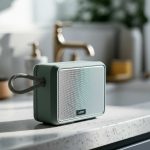
Yes, you can often use a sound box in the bathroom, but safety is paramount. Look for speakers specifically designed for humid environments, paying close attention to their Ingress Protection (IP) ratings. Proper placement and understanding water resistance are crucial to avoid damage and electrical hazards.
Key Takeaways
- Understand IP Ratings: The Ingress Protection (IP) rating is the most critical factor. An IPX4 rating means splash-proof, while IPX7 signifies submersion resistance, both crucial for bathroom environments.
- Prioritize Water Resistance: Not all sound boxes are created equal. General-purpose speakers are not suitable for bathrooms due to moisture and steam.
- Strategic Placement is Key: Avoid placing your sound box directly in the shower or bathtub. Keep it away from direct water spray and high-humidity zones.
- Consider Power Sources Carefully: Ensure your sound box is battery-powered or has a safely designed power adapter if it needs to be plugged in. Avoid proximity to water sources.
- Beware of Steam and Condensation: High humidity and steam can still affect electronics, even with water-resistant speakers. Allow for proper ventilation and drying.
- Read Manufacturer Guidelines: Always consult the product manual for specific usage instructions and limitations regarding moisture exposure.
📑 Table of Contents
- Can I Use Sound Box in Bathroom Safely
- The Importance of IP Ratings for Your Sound Box
- Types of Sound Boxes Suitable for the Bathroom
- Safe Placement and Usage Tips
- Battery Life and Powering Your Bathroom Sound Box
- When to Avoid Using Your Sound Box in the Bathroom
- Conclusion: Enjoy Your Bathroom Audio Safely
Can I Use Sound Box in Bathroom Safely
There’s something wonderfully relaxing about having your favorite tunes or a captivating podcast accompany your bath or shower. It can transform a mundane routine into a spa-like experience. But then the question pops into your head: “Can I use a sound box in the bathroom safely?” It’s a valid concern, and the answer isn’t a simple yes or no. It heavily depends on the type of sound box you have and how you use it. Bathrooms are inherently different environments for electronics, filled with moisture, steam, and the ever-present risk of water splashes.
The allure of bathroom audio is strong. Imagine starting your day with an energizing playlist or winding down with a calming audiobook while you soak. It’s a modern luxury that many of us crave. However, this desire comes with a responsibility to ensure that your enjoyment doesn’t come at the cost of safety or damaged equipment. We need to navigate the world of sound boxes and their suitability for humid, wet environments. Let’s dive into what you need to know to make an informed decision.
Understanding the Bathroom Environment for Electronics
Before we talk about specific sound boxes, let’s get clear on what makes a bathroom a challenging place for electronics.
- Moisture and Humidity: Bathrooms are naturally humid. Showers, baths, and even running taps release significant amounts of water vapor into the air. This high humidity can, over time, seep into electronic components, causing corrosion and malfunctions.
- Water Splashes: From a running faucet to an accidental splash from the showerhead, water can easily come into contact with devices. Even a small amount of liquid can be detrimental to non-water-resistant electronics.
- Steam: Hot showers and baths produce steam, which is essentially water vapor in a concentrated form. This steam can condense on surfaces, including your sound box, and penetrate protective barriers if they aren’t robust enough.
- Electrical Hazards: Water and electricity are a dangerous combination. Using non-water-resistant electronics near water sources in a bathroom significantly increases the risk of electric shock.
Given these conditions, it’s clear that any sound box intended for bathroom use needs to be built with these challenges in mind. This is where the concept of water resistance and specific ratings becomes crucial.
The Importance of IP Ratings for Your Sound Box
Visual guide about Can I Use Sound Box in Bathroom Safely
Image source: weverydaystories.com
When you’re looking at any electronic device that might encounter moisture, the **IP rating** is your best friend. IP stands for “Ingress Protection,” and it’s a standardized system used to classify the degree of protection an electrical enclosure offers against intrusion from foreign bodies (like dust) and liquids. For bathroom use, the liquid protection aspect is what we’re most concerned about.
Decoding IP Ratings
An IP rating consists of two digits. The first digit relates to protection against solids, and the second digit relates to protection against liquids. For bathroom audio, we’re primarily interested in the second digit, which indicates water resistance.
- IPX4: Splash-Proof: This is a good starting point for bathroom use. A device with an IPX4 rating is protected against water splashes from any direction. This means it can handle light rain or accidental splashes but isn’t meant to be submerged. Many portable Bluetooth speakers designed for outdoor or general use will carry this rating.
- IPX5: Water Jets: This rating indicates protection against low-pressure water jets from any direction. It’s a step up from IPX4 and can handle more direct, albeit low-pressure, water exposure.
- IPX6: Powerful Water Jets: Devices rated IPX6 can withstand high-pressure water jets. This offers a more robust defense against direct water contact.
- IPX7: Immersion: This is a highly desirable rating for bathrooms. An IPX7-rated device can be submerged in water up to 1 meter (about 3.3 feet) for up to 30 minutes. This offers significant protection against accidental drops into the bath or shower.
- IPX8: Continuous Immersion: This is the highest level of water protection, meaning the device can withstand continuous immersion in water under conditions specified by the manufacturer. This is often found on specialized waterproof devices.
**Crucially, the ‘X’ in an IP rating means that the device hasn’t been specifically tested or rated for solid particle protection.** For bathroom use, this is generally not a concern, as dust isn’t the primary threat.
Which IP Rating Do You Need?
For general bathroom use, where the sound box might be exposed to steam and occasional splashes, **an IPX4 rating is the minimum you should consider**. However, if you plan on placing it closer to the shower or bath, or if you’re prone to dropping things, an **IPX5, IPX6, or ideally an IPX7 rating would be much safer**. An IPX7-rated speaker offers the most peace of mind for a bathroom environment. When looking for a sound box, always check the product specifications for its IP rating.
Types of Sound Boxes Suitable for the Bathroom
Visual guide about Can I Use Sound Box in Bathroom Safely
Image source: howtobathroom.com
Not all sound boxes are created equal when it comes to bathroom suitability. Here’s a breakdown of common types and their potential for safe use:
1. Portable Bluetooth Speakers
These are the most common and generally the best option for bathroom audio. Many portable Bluetooth speakers are designed with durability and some level of water resistance in mind, making them ideal candidates.
- Water-Resistant Models: As discussed, look for models with IPX ratings (IPX4 or higher). These are designed to handle steam, humidity, and splashes. Brands like JBL, Sony, UE Boom, and Anker often offer excellent water-resistant options.
- Shower Speakers: These are specifically marketed for use in wet environments. They often feature suction cups for mounting on shower tiles and boast high IP ratings (often IPX7). Some even have controls that are easy to operate with wet hands.
- Floating Speakers: For those who enjoy music in the bath, floating Bluetooth speakers are a fun option. These are designed to be waterproof (usually IPX7) and buoyant, so they can safely float in your bath water. You can explore some of these when considering can I use floating Bluetooth speaker in swimming pool amazing.
Practical Tips for Portable Speakers
- Placement: Even with a water-resistant speaker, don’t place it directly under the showerhead or on the edge of the bathtub where it could be submerged. A shelf, a windowsill, or a vanity top away from direct water spray is ideal.
- Charging: Ensure the charging port is completely dry before plugging it in. Some water-resistant speakers have sealed charging ports.
- Controls: If the speaker has physical buttons, make sure they are easy to press with wet fingers if necessary, or opt for one with an app control option.
2. Smart Speakers (e.g., Amazon Echo Dot, Google Home)
Can you use a smart speaker like an Amazon Echo as a Bluetooth speaker in your bathroom? Generally, **standard smart speakers are NOT designed for bathroom use**. They lack the necessary water resistance.
- Risk of Damage: The intricate electronics within smart speakers are highly susceptible to damage from moisture and steam.
- Safety Concerns: If a non-waterproof smart speaker comes into contact with water, it poses a significant electrical hazard.
- Exceptions: There are some emerging “smart” speakers that also have water-resistant capabilities, but these are still less common than dedicated portable Bluetooth speakers. Always check the IP rating.
If you’re looking to use a smart speaker for audio, it’s best to keep it outside the bathroom and perhaps use it to control other smart home devices that might be in the bathroom (like smart lights). For bathroom audio, a dedicated waterproof Bluetooth speaker is a far safer and more reliable choice. You might be interested in how smart speakers can function in other contexts, such as using Alexa as a Bluetooth speaker for TV.
3. Wired Speakers
Wired speakers, especially those requiring a mains power connection, are generally **not recommended for bathroom use** due to the inherent electrical risks.
- Power Cord Hazards: Running power cords into a bathroom creates a direct electrical hazard if they come into contact with water.
- Lack of Water Resistance: Most wired speaker systems are not designed for humid or wet environments.
If you absolutely must have wired audio in your bathroom (e.g., for a built-in system), it must be installed by a qualified electrician who can ensure it meets all safety regulations for wet areas, which often involves specialized, sealed components and GFCI outlets. For most people, battery-powered portable speakers are the way to go.
Safe Placement and Usage Tips
Visual guide about Can I Use Sound Box in Bathroom Safely
Image source: materialsix.com
Even with a water-resistant sound box, how and where you place it makes a significant difference in its longevity and your safety.
Strategic Placement
* Away from Direct Water: This is the golden rule. Never place your sound box where it can be directly hit by water from the showerhead, faucet, or splashes.
* Elevated Surfaces: A shelf, cabinet, or countertop provides a good buffer. This keeps it out of the immediate splash zone of sinks and tubs.
* Ventilation: Ensure there’s some airflow around the speaker. This helps prevent moisture buildup and allows the device to dry properly after exposure to humidity.
* Avoid Enclosed Spaces: Don’t hide your speaker inside a cabinet or drawer without adequate ventilation. While this might protect it from direct splashes, it can trap moisture and steam, which is not good for the electronics.
* Consider Mounting: Some shower speakers come with suction cups or mounting brackets, which can be a great way to keep them secure and off surfaces that might get wet.
Power Safety
* Battery-Powered is Best: The safest sound boxes for the bathroom are battery-powered. This completely eliminates the risk associated with power cords and outlets.
* Charging Safety: If your speaker needs to be charged, always do so outside the bathroom. Ensure the charging port is completely dry before plugging in the cable. Never charge a device in or near a wet environment.
* GFCI Outlets: If you absolutely must use a speaker that requires a plug, ensure it’s plugged into a Ground Fault Circuit Interrupter (GFCI) outlet. These outlets are designed to shut off power immediately if they detect a ground fault, which can help prevent electrical shock in wet areas. However, it’s still best to minimize electrical devices in the bathroom.
Post-Use Care
* **Wipe Down:** After each use, if your speaker has come into contact with any moisture or condensation, wipe it down with a soft, dry cloth.
* **Allow to Dry: **Let the speaker air dry completely in a well-ventilated area before storing it or using it again. This is especially important if it has been exposed to heavy steam.
* **Clean the Charging Port: If your speaker has a charging port, periodically check it for any signs of corrosion or moisture. You can gently clean it with a dry cotton swab.
Battery Life and Powering Your Bathroom Sound Box
The power source of your sound box is a critical aspect of bathroom safety and convenience.
The Advantage of Battery Power
As mentioned, battery-powered Bluetooth speakers are the most recommended for bathroom use.
- No Electrical Hazard: The primary benefit is the complete absence of electrical cords and outlets in a wet environment. This significantly reduces the risk of electrocution.
- Portability: Battery-powered speakers are inherently portable, allowing you to easily move them around the bathroom or take them to other rooms.
- Extended Playtime: Modern portable speakers often boast impressive battery life, lasting for many hours on a single charge. This means you can enjoy your music or podcasts for multiple sessions without needing to recharge. You might find information on powering devices useful, such as can I use a power bank as a power source, which relates to portable charging solutions.
When choosing a battery-powered sound box, consider its advertised playtime. For extended listening sessions, look for speakers that offer 10-20 hours or more of playback on a full charge.
Charging Considerations
* **Charge Outside the Bathroom:** This cannot be stressed enough. Always charge your Bluetooth speaker in a dry, safe location, away from any water sources.
* **Dry Ports:** Ensure the charging port and the charging cable are completely dry before attempting to connect them.
* **Manufacturer Instructions: **Always follow the charging guidelines provided by the manufacturer.
When to Avoid Using Your Sound Box in the Bathroom
While many portable Bluetooth speakers are designed for bathroom use, there are still situations where you should err on the side of caution.
* **Non-Water-Resistant Speakers:** If your sound box has no IP rating or a very low one (e.g., not rated for water protection), **do not use it in the bathroom**. This includes most standard home audio speakers, older model Bluetooth speakers, and basic computer speakers.
* **Damaged Speakers:** If your water-resistant speaker has any visible signs of damage – cracks in the casing, damaged seals, or ports that look corroded – do not use it in the bathroom. The protective barriers may no longer be effective.
* **Extremely High Humidity/Steam:** While IPX7 speakers can handle submersion, prolonged exposure to extremely dense steam in a poorly ventilated bathroom can still be challenging over time. Ensure good ventilation.
* **Near Sinks or Toilets with Active Water Flow:** Even if your speaker is highly water-resistant, it’s wise to keep it away from areas where water is actively running or splashing directly.
Remember, when in doubt, it’s always better to be safe than sorry. If you’re unsure about your speaker’s capabilities, it’s best to leave it outside the bathroom. You can still enjoy your music in other areas, perhaps considering how your speaker performs in different settings, like can I use outdoor Bluetooth speakers permanently in backyard amazing.
Conclusion: Enjoy Your Bathroom Audio Safely
So, can you use a sound box in the bathroom safely? The answer is a resounding **yes, provided you choose the right device and use it responsibly.** The key lies in understanding IP ratings, prioritizing water resistance, and practicing safe placement and usage habits.
A dedicated waterproof Bluetooth speaker, ideally with an IPX4 rating or higher (IPX7 being excellent for bathrooms), is your best bet. These speakers are built to withstand the humidity, steam, and splashes that are common in bathrooms. Always opt for battery-powered models to eliminate electrical hazards. Strategic placement, ensuring good ventilation, and being mindful of charging procedures are also crucial steps to maintaining both your safety and the longevity of your sound box.
By following these guidelines, you can transform your bathroom into a personal sanctuary of sound, enhancing your daily routines with your favorite audio content without compromising safety. Enjoy your music, podcasts, or audiobooks, knowing you’ve made smart choices for a safe and enjoyable experience.
Frequently Asked Questions
Can any Bluetooth speaker be used in the bathroom?
No, not any Bluetooth speaker can be safely used in the bathroom. Standard speakers without water resistance are highly susceptible to damage from moisture and steam, and they pose a significant electrical hazard.
What is the most important feature for a bathroom sound box?
The most important feature is its Ingress Protection (IP) rating, specifically the second digit which indicates water resistance. An IPX4 rating is the minimum for splash protection, while IPX7 offers excellent protection against submersion.
Is it safe to charge a Bluetooth speaker in the bathroom?
It is generally unsafe to charge any electronic device, including a Bluetooth speaker, in the bathroom due to the risk of electric shock. Always charge your speaker in a dry, safe area outside the bathroom.
Can a smart speaker like an Echo Dot be used in the bathroom?
Standard smart speakers like the Echo Dot are not designed for wet environments and should not be used in the bathroom. They lack the necessary water resistance and could be easily damaged or create a safety hazard.
What if my Bluetooth speaker is labeled “water-resistant” but doesn’t have an IP rating?
If a speaker is labeled “water-resistant” but lacks a specific IP rating, it’s best to err on the side of caution. Without a certified IP rating, you cannot be certain of its level of protection against moisture and steam, making it a risky choice for bathroom use.
How far away from the shower should I place my speaker?
While specific distances can vary, the general rule is to place your speaker away from direct water spray. A shelf, windowsill, or countertop that is not directly in the path of the showerhead or splashes is usually a safe bet. Always prioritize keeping it out of the immediate splash zone.