Most Bluetooth speakers can’t handle being fully underwater, but some specifically designed ones can! Always check the IP rating to know what your speaker can handle.
Hey there, tech adventurers! Max here from AffTechy.com. You know, music just makes everything better, right? Whether you’re chilling at home, having a backyard party, or just want to make your movie nights epic, good sound is key. But picking the right speaker can feel like a puzzle. You see all these numbers and letters, and it’s hard to know what’s what.
I get it. We all want gadgets that make life easier and more fun. And let’s be honest, sometimes life gets a little messy – maybe a splash by the pool, or a sudden rain shower on your picnic. That’s where water resistance comes in. But what about going all the way? Like, can your speaker actually survive taking a dip?
That’s a question I hear a lot. It’s super confusing to figure out if your speaker is built for adventures or if it’s better off staying on dry land. We’ll dive into this today, and I promise to make it super clear. We’ll uncover the shocking truth about Bluetooth speakers and water. Let’s break it down step by step!
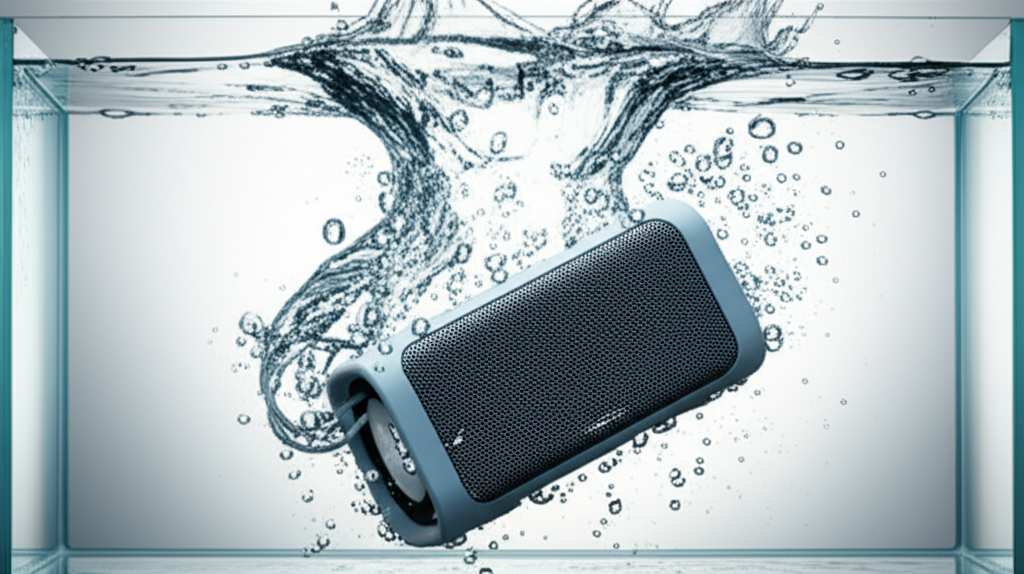
Let’s Talk About Water and Electronics
You’ve probably seen those little symbols on gadgets, right? They look like little droplets. Those are important! They tell you how much water protection your device has. It’s like a secret code for toughness.
Electronics and water usually don’t mix well. Think of it like trying to give your phone a bath. It’s usually a recipe for disaster! Water can get inside and mess with the delicate parts. This can cause short circuits, corrosion, and generally make your gadget sad and broken.
The Big Question: Can Bluetooth Speakers Survive Full Submersion?
Here’s the main thing to know: most regular Bluetooth speakers are NOT designed to be fully submerged in water. They might be okay with a little splash, but dunking them is usually a no-go. It’s like taking a regular car off-roading – it’s not built for it and will likely get damaged.
However, there’s a whole category of speakers made for the adventurous! These are the ones you see at pool parties or on boats. They are specifically engineered to handle getting wet, and sometimes even going for a swim. The key is their IP rating.
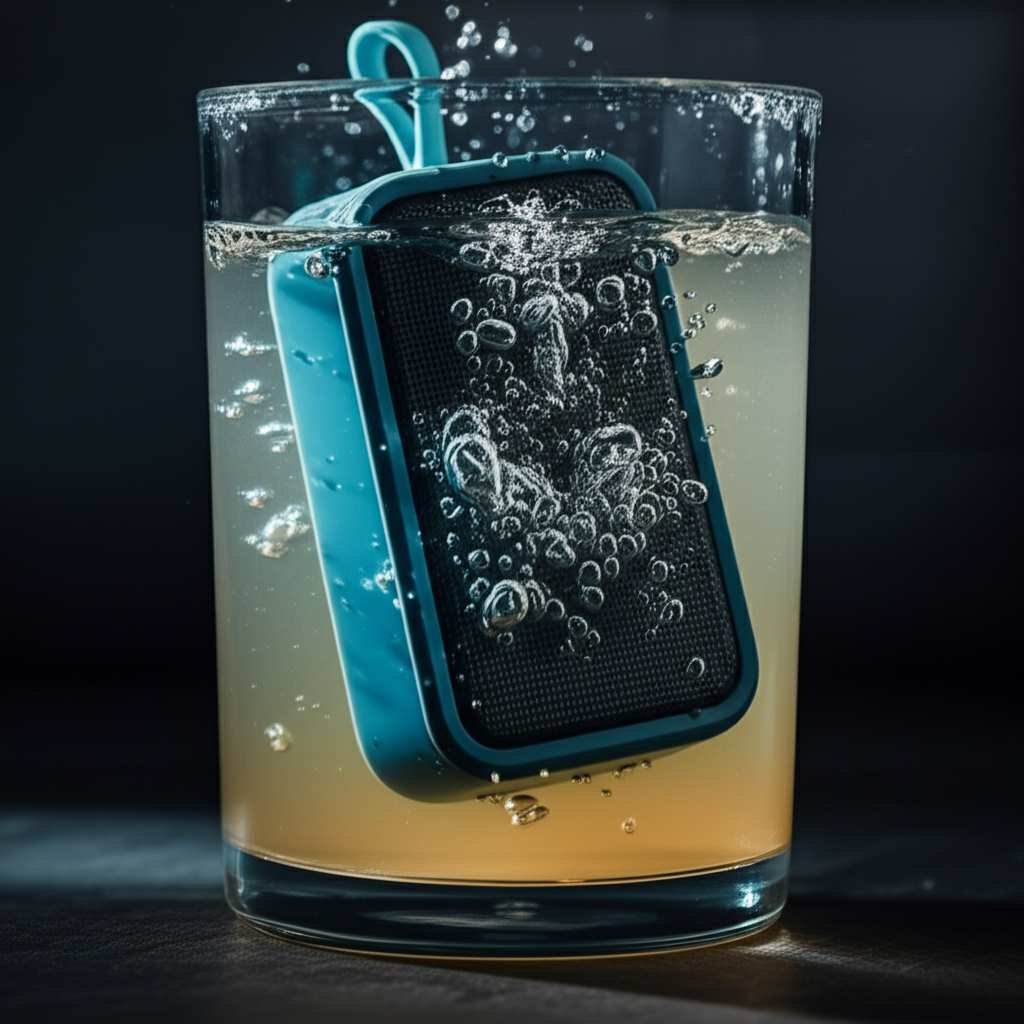
What’s an IP Rating, Anyway?
IP stands for “Ingress Protection.” It’s a standard way to show how well an electronic device is protected against solid objects (like dust) and liquids (like water). The rating usually looks like “IPXX,” where the first X is for solids and the second X is for liquids.
For speakers, the liquid protection part is what we’re most interested in. Let’s focus on that second number. The higher the number, the better the protection.
Here’s a quick breakdown of the common IP ratings for water protection:
IPX0: No protection against water.
IPX1: Protected against vertically falling water drops. Think a light drizzle.
IPX2: Protected against water drops falling at a 15-degree angle. Slightly more protection than IPX1.
IPX3: Protected against spraying water. This means water thrown at the device from any direction.
IPX4: Protected against splashing water. This is common for everyday use, like near a sink or light rain.
IPX5: Protected against low-pressure water jets. Think a gentle hose spray.
IPX6: Protected against high-pressure water jets. Stronger hose spray.
IPX7: Protected against the effects of temporary immersion in water. This is the magic number for submersion! It means the speaker can be submerged in water up to 1 meter (about 3.3 feet) for up to 30 minutes.
IPX8: Protected against continuous immersion in water under conditions which shall be specified by the manufacturer. This is even better than IPX7, often meaning deeper submersion or longer periods.
So, when you see a speaker advertised as “waterproof,” you should really look for an IPX7 or IPX8 rating. If it only has an IPX4 or IPX5, it’s splash-proof, not submersible.
Shocking Truths About “Waterproof” Speakers
It’s easy to get tricked by marketing. Some companies might say “waterproof” when they really mean “water-resistant.” Here are a few things to watch out for:
“Waterproof” vs. “Water-Resistant”: This is the biggest one. Waterproof means it can go underwater and be fine. Water-resistant means it can handle splashes or light rain but shouldn’t be submerged. Always check the IP rating!
Freshwater vs. Saltwater: Most IP ratings are tested with freshwater. Saltwater can be much more corrosive. So, even an IPX7 speaker might not do well in the ocean for long periods. Rinse it with fresh water if it gets salty!
Conditions Matter: An IPX7 rating means submersion for up to 30 minutes at up to 1 meter. Pushing these limits can still cause damage. It’s a safety net, not a dare.
Wear and Tear: Over time, seals can degrade. If your speaker has been dropped or is old, its water protection might not be as good as it once was.
Which Speakers Can Actually Survive a Swim?
The good news is, yes, there are Bluetooth speakers designed for this! They have extra seals, waterproof membranes, and robust casings. These are perfect for pool parties, beach trips, or even taking a shower jam session to the next level.
Here are some features to look for in a speaker that can survive full submersion:
High IP Rating (IPX7 or IPX8): This is non-negotiable. It’s the primary indicator of submersion capability.
Sealed Ports: Charging ports and auxiliary inputs should be covered by tight-fitting rubber or silicone plugs. Some high-end speakers even have magnetic charging that doesn’t require an open port.
Durable Casing: Look for speakers made from tough plastics, rubberized finishes, or even metal that can withstand bumps and drops.
Floating Design: Some submersible speakers are designed to float, making them easy to retrieve if they fall in the water. This is super handy!
Good Battery Life: If you’re going to be out and about with your speaker, you want it to last. Check the battery life specs.
Let’s look at a comparison of some popular speaker types and their typical water resistance.
| Speaker Type | Typical IP Rating | Can It Survive Full Submersion? | Best Use Cases |
|---|---|---|---|
| Standard Portable Speaker | IPX4 – IPX5 | No | Indoor use, light rain, occasional splashes. |
| Rugged Outdoor Speaker | IPX6 – IPX7 | Yes (IPX7) | Poolside, beach, camping, moderate rain, accidental drops. |
| Extreme Adventure Speaker | IPX7 – IPX8 | Yes (IPX7/IPX8) | Boating, kayaking, deep submersion, challenging environments. |
This table gives you a quick idea of what to expect. As you can see, you really need that IPX7 or IPX8 to be sure your speaker can handle being fully underwater.
How to Choose the Right Speaker for Water Adventures
Picking a speaker that can handle water is exciting! Here’s a simple guide to help you choose:
Decide Where You’ll Use It:
Just near the pool? IPX4 or IPX5 might be enough.
Going to be in the pool or on a boat? You need IPX7 or IPX8.
Extreme adventures? Look for IPX8 and a floating design.
Read the Specs Carefully: Don’t just trust the box. Look for the actual IP rating. Check reviews from trusted sites like CNET or TechRadar to see how they perform in real-world water tests.
Consider Sound Quality: Water resistance is great, but you still want it to sound good! Read reviews about the audio performance. Sometimes, rugged speakers can compromise a bit on sound clarity, but many modern ones are excellent.
Check for Extra Features: Do you want it to float? Does it need a long battery life? Some speakers even have built-in microphones for calls, which might not be ideal if submerged.
Budget: More rugged and submersible speakers can cost a bit more. Decide what features are most important to you and find the best balance.
Testing Your Speaker’s Water Resistance (Carefully!)
So, you’ve got a speaker with an IPX7 or IPX8 rating. How do you make sure it’s working as expected without risking it?
Here’s a safe way to test it:
1. Ensure All Ports are Sealed: Double-check that any charging or auxiliary ports are securely closed with their covers.
2. Start with a Shallow Dip: If you have a sink or a shallow bucket, try submerging the speaker for just a few seconds. Make sure it’s not too deep.
3. Listen for Issues: After taking it out, play some music. Does it sound clear? Are there any crackles or pops?
4. Gradually Increase Depth (If Needed): If it passes the initial test, you can try a slightly deeper submersion, still within the IPX7 limits (up to 1 meter for 30 minutes).
5. Rinse and Dry: Always rinse your speaker with fresh water after it’s been in a pool or the ocean. Then, let it air dry completely before charging or using it again.
Important: Never try to charge a speaker while it’s wet. Make sure it’s completely dry inside and out.
Can My Old Speaker Be Fixed if It Gets Wet?
This is a tough one. If a speaker that isn’t water-rated gets submerged, the chances of fixing it are slim.
Immediate Action: If it happens, turn it off immediately! Don’t try to turn it on or charge it.
Drying: Remove any covers and let it air dry for several days. You can try using a desiccant like silica gel packets (often found in shoe boxes or electronics packaging).
Professional Help: In some cases, a professional repair shop might be able to clean corrosion and replace damaged parts, but it’s often more expensive than buying a new, water-resistant speaker.
Best Bet: For most non-water-rated speakers, water damage is permanent. It’s a good lesson to invest in a speaker that’s built for your lifestyle.
Fun Fact Alert!
Did you know that the IP rating system is an international standard? This means you can find reliable information about water and dust protection on devices sold anywhere in the world, not just in one country. It’s a universal language for gadget toughness!
Frequently Asked Questions (FAQs)
Here are some quick answers to common questions about Bluetooth speakers and water.
Q: What does “waterproof” really mean for a Bluetooth speaker?
A: For a Bluetooth speaker, “waterproof” usually means it has an IPX7 or IPX8 rating, allowing it to be submerged in water for a specific time and depth without damage. Always check the exact IP rating!
Q: My speaker says it’s “water-resistant.” Can I put it in the pool?
A: “Water-resistant” typically means it can handle splashes (like IPX4 or IPX5). It’s not safe to fully submerge it in a pool. Look for IPX7 or higher for submersion.
Q: I have an IPX7 speaker. Can I take it scuba diving?
A: An IPX7 rating is usually for immersion up to 1 meter for 30 minutes in freshwater. Scuba diving involves much greater depths and often saltwater, which can be more damaging. It’s best to stick to the specified limits.
Q: What happens if I drop my IPX7 speaker in the ocean?
A: It might survive the initial submersion, but saltwater can corrode internal components over time. It’s crucial to rinse it thoroughly with fresh water immediately after it comes out of the ocean and let it dry completely.
Q: How do I dry my Bluetooth speaker after it gets wet?
A: Turn it off immediately. Gently wipe off excess water. Leave all ports open and let it air dry completely for at least 24-48 hours. You can place it in a container with silica gel packets to help absorb moisture. Never use heat to dry it.
Q: Are floating Bluetooth speakers always submersible?
A: Most floating speakers are designed to be water-resistant or submersible, but you still need to check their IP rating. The floating feature is a bonus to make retrieval easier, but the IP rating confirms its water protection level.
* Q: Can I use my speaker in the shower?
A: If your speaker has at least an IPX4 rating, it should be fine for shower steam and light splashes. For full immersion in shower water, an IPX7 rating is recommended.
Ready to Make a Splash with Your Sound!
So, there you have it! The world of Bluetooth speakers and water is a bit more nuanced than you might think. Most speakers are like delicate flowers – they need to stay dry. But there are some amazing, tough speakers out there built for adventure, ready to join you for a swim.
The secret weapon is always that IP rating. Remember, IPX7 and IPX8 are your go-to numbers for full submersion. Don’t let fancy marketing fool you; always check those specs.
Now you know how to pick a speaker that can survive a dunking, how to use it safely, and what to do if the unexpected happens. It’s all about matching your gadget to your lifestyle. Whether you’re a pool lounger, a beach bum, or an outdoor explorer, there’s a speaker out there for you.
Now go enjoy amazing sound and make every moment louder and better, no matter where you are! Happy listening!