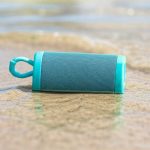
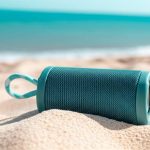
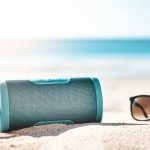
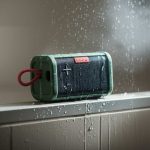
Yes, many Bluetooth speakers can totally handle saltwater and sand! Look for models with good water and dust resistance ratings (like IP67 or IP68) to enjoy your tunes worry-free at the beach or by the pool.
Hey there, tech explorer! Max here from AffTechy.com, your go-to buddy for making technology feel super simple and fun. You know how music just makes everything better, right? Whether you’re chilling at the beach, having a backyard BBQ, or just want to blast your favorite tunes while you clean, a good speaker is key. But then comes the big question: can we really take our beloved Bluetooth speakers to those sandy, splashy spots without a disaster?
I get it. Sometimes the tech specs can sound like a secret code. But don’t sweat it! Picking the right speaker for adventures shouldn’t be confusing. I’m here to break down exactly what you need to know so you can confidently choose a speaker that’s ready for whatever fun life throws its way. Let’s dive in and make sure your soundtrack never misses a beat, no matter the environment!
Let’s Talk About Sound and the Great Outdoors
We all love that feeling when the perfect song comes on, especially when you’re out enjoying the sun. Imagine setting up your spot on the sand, pulling out a speaker, and filling the air with your favorite music. It’s a great vibe! But the beach isn’t exactly a controlled environment, is it? We’ve got sun, salt spray, maybe even some rogue waves, and of course, that fine, gritty sand that seems to get everywhere.

So, the million-dollar question is: can our trusty Bluetooth speakers survive all that? For a long time, the answer was a definite “no.” You’d have to keep your speakers tucked away, far from any water or sand. That meant no beach parties with great tunes or poolside jams. But thankfully, technology has come a long way, and many speakers are now built tough!
The Magic Word: “Durability” (and What It Means for Your Speaker)
When we talk about speakers handling the elements, there’s one super important thing to look for: durability ratings. These aren’t just fancy numbers; they tell you exactly how well a speaker can protect itself from dust, sand, water, and even accidental drops. It’s like a shield for your gadget!
The most common rating you’ll see is the IP rating. IP stands for “Ingress Protection.” It’s an international standard that tells you how well an electronic device is sealed against foreign objects and liquids. You’ll usually see it as “IP” followed by two numbers, like IP67 or IP68. These numbers are key!
Understanding the IP Code
Let’s break down what those numbers mean. The first digit usually refers to protection against solid objects like dust and sand. The second digit tells you about protection against water.
- First Digit (Solids): This number ranges from 0 to 6. A ‘6’ here means the speaker is totally dust-tight. That’s exactly what you want for sandy beaches!
- Second Digit (Liquids): This number ranges from 0 to 9. For water resistance, you’ll typically see ratings from 5 upwards. A ‘7’ means it can be submerged in water up to 1 meter for about 30 minutes. An ‘8’ is even better, meaning it can handle submersion beyond 1 meter, usually for longer periods or under specific conditions set by the manufacturer.
So, when you see a speaker rated IP67 or IP68, you know it’s designed to keep dust and sand out and can handle getting splashed or even dunked (briefly!). This is a huge win for beachgoers and pool party enthusiasts!
Can Bluetooth Speakers Handle Saltwater & Sand? Let’s Get Specific!
Now, let’s get down to the nitty-gritty: saltwater and sand. The IP rating gives us a good clue, but it’s worth digging a little deeper. Saltwater is a bit more corrosive than fresh water, and fine sand can sneak into the tiniest openings.
A speaker with an IP67 or IP68 rating is your best bet. The ‘6’ in the first digit means it’s protected against dust and sand. This is crucial for beach environments. The ‘7’ or ‘8’ in the second digit means it’s protected against water immersion. While these ratings are usually tested with fresh water, they offer a very good level of protection against splashes and brief submersion in saltwater.
Think of it this way: the seals and materials used to keep water out also do a fantastic job of keeping sand out. And the robust construction needed for water resistance often means the speaker can handle a bit of rough-and-tumble, which is common when you’re setting up on uneven beach terrain.
The “Saltwater” Factor
While an IP67 or IP68 rating is great, it’s important to remember that saltwater is more aggressive than fresh water. Over time, salt residue can potentially affect certain materials. However, for casual use at the beach, a speaker with these ratings should be perfectly fine. The key is to clean it properly afterwards.
Here’s a little secret: most manufacturers test their water-resistant speakers in controlled laboratory conditions. Real-world beach conditions can be tougher! But with the right care, you can extend your speaker’s life and enjoy its features for a long time.
Features That Make a Speaker Beach-Ready
Beyond the IP rating, a few other features make a Bluetooth speaker truly shine when you’re heading to the coast:
- Buoyancy: Some speakers are designed to float! This is a lifesaver if your speaker accidentally takes a tumble into the water. You can easily retrieve it without panic.
- Durable Casing: Look for speakers with rubberized or ruggedized exteriors. These can better withstand bumps and drops, which are common when setting up on sand or rocks.
- Long Battery Life: Beach days can be long! A speaker that can keep the music going for 10, 15, or even 20+ hours means you won’t have to worry about it dying before the sun sets.
- Easy Controls: Buttons that are easy to press, even with sandy fingers or wet hands, are a big plus. Some speakers even have voice control options.
- Good Volume and Bass: The beach can be noisy with waves and chatter. A speaker that can get loud and deliver clear, powerful sound without distortion is essential.
Popular Beach-Friendly Bluetooth Speaker Brands and Models
Ready to see some examples? Many brands have stepped up their game to create speakers perfect for outdoor adventures. Here are a few categories and popular choices that often boast excellent durability:
The Rugged All-Rounders: These speakers are built like tanks, with great sound and fantastic water/dust resistance.
- JBL Charge Series: Known for their robust build, good sound, and ability to charge your phone. Many are IPX7 rated, meaning they can be submerged.
- JBL Flip Series: Smaller and more portable than the Charge, but still packs a punch with IPX7 water resistance.
- Sony EXTRA BASS Series (e.g., XB23, XB33): These offer powerful sound and are often IP67 rated, making them dustproof and water-resistant.
- Ultimate Ears MEGABOOM / BOOM Series: These are designed for parties and outdoor use, with impressive waterproofing (IPX7) and 360-degree sound. They also float!
The Ultra-Portable Options: If space is tight, these smaller speakers still offer good protection.
- Anker Soundcore Series: Anker often provides great value with IPX7 water resistance on many of their portable speakers.
- Bose SoundLink Micro: Tiny but mighty, this speaker is waterproof (IPX7) and surprisingly loud for its size.
Remember to always check the specific IP rating and features of the model you are interested in, as these can vary even within the same brand’s lineup!
Comparing Speaker Durability Features
To help you visualize what to look for, here’s a simple comparison table focusing on key durability aspects. This can give you a quick idea of what features matter most for beach use.
| Feature | Why It Matters for Beach/Saltwater | Ideal Rating/Type |
|---|---|---|
| Dust & Sand Protection | Keeps fine particles from damaging internal components. | IP6X (e.g., IP67, IP68) |
| Water Resistance | Protects against splashes, rain, and accidental submersion. | IPX7 or IPX8 (can be submerged) |
| Saltwater Tolerance | General water resistance helps, but proper cleaning is key. | IPX7/IPX8 + Rinseable materials |
| Drop Resistance | Accidents happen on uneven terrain. | Rubberized edges, sturdy build |
| Buoyancy | Prevents loss if dropped in water. | Floats (check product specs) |
As you can see, aiming for that “IP6X” and “IPX7/8” combination is your golden ticket for a beach-ready speaker. The “floats” feature is a fantastic bonus if you’re often near deeper water!
How to Choose the Right Speaker for Your Adventures
Okay, you’re convinced that a durable speaker is the way to go. But how do you pick the perfect one from all the options out there? Here’s a simple checklist to guide you:
Your Beach Speaker Shopping List:
- Check the IP Rating: This is non-negotiable. Look for IP67 or IP68. If it’s just IPX5 or IPX6, it’s water-resistant but not sand-proof or submersible.
- Consider the Size and Portability: Will you be carrying it far? A smaller speaker might be better. Do you want it to be the life of a big party? Go for a larger one.
- Listen to Reviews for Sound Quality: Even rugged speakers should sound good! Read reviews or watch videos to get an idea of the audio performance.
- Battery Life is Key: Aim for at least 10-12 hours of playback time. More is always better for a full day out.
- Look for Extra Features: Do you need it to charge your phone? Do you want it to float? These can be deciding factors.
- Budget Wisely: Durable, high-quality speakers can be an investment, but they’ll last longer. Set a budget and look for the best features within that range.
Don’t forget to check out reputable tech review sites like CNET or TechRadar. They often have in-depth reviews of the latest rugged speakers, helping you make an informed choice.
Caring for Your Speaker at the Beach
So, you’ve got your awesome, durable Bluetooth speaker. Hooray! Now, how do you keep it in tip-top shape, especially after a sandy, salty adventure? A little bit of care goes a long way.
Your Post-Beach Speaker Care Routine:
- Rinse It Off: As soon as possible after using it near saltwater or sand, rinse your speaker with fresh, lukewarm water. This is super important for removing salt residue.
- Gentle Cleaning: If there’s any grime, use a soft, damp cloth to wipe it down. Avoid harsh chemicals or abrasive materials that could damage the seals or finish.
- Dry Thoroughly: Let the speaker air dry completely before storing it. Make sure all ports and seams are dry.
- Check the Ports: Gently inspect charging ports and speaker grilles for any lingering sand. A soft brush or a puff of compressed air can help dislodge stubborn particles.
- Store Properly: Keep your speaker in a cool, dry place when not in use. Avoid extreme temperatures.
Following these simple steps will ensure your speaker stays protected and continues to deliver great sound for many beach days to come. It’s like giving your gadget a nice, refreshing shower after a long day at the beach!
Frequently Asked Questions (FAQ)
Got more questions buzzing around? Let’s clear them up!
Q1: Can any Bluetooth speaker go to the beach?
A1: Not all of them! Only speakers with good water and dust resistance ratings (like IP67 or IP68) are truly beach-ready. Others can be easily damaged by sand and water.
Q2: What does IP67 mean for my speaker?
A2: It means your speaker is dust-tight (the ‘6’) and can be submerged in up to 1 meter of water for about 30 minutes (the ‘7’). It’s great for splashes and accidental drops in the water!
Q3: Is saltwater worse than fresh water for my speaker?
A3: Saltwater can be a bit more corrosive. While an IP-rated speaker can handle it, rinsing it with fresh water immediately afterward is highly recommended to prevent salt buildup.
Q4: My speaker is rated IPX7. Is it sand-proof?
A4: An IPX7 rating means it’s water-resistant, but the ‘X’ means dust resistance wasn’t specifically tested or rated. You’ll want a rating like IP67 or IP68 for guaranteed dust and sand protection.
Q5: Can I leave my speaker in direct sunlight all day?
A5: While many are built tough, prolonged exposure to intense heat and UV rays can still degrade materials and affect battery life. It’s best to keep it in the shade when possible.
Q6: What if my speaker falls into the ocean?
A6: If it’s IP67/IP68 rated, it should survive a brief dunk. The most important thing is to retrieve it quickly and rinse it thoroughly with fresh water afterward!
Q7: Do floating speakers really work?
A7: Yes! Many speakers designed to float have buoyant materials and sealed designs. This is a fantastic feature for poolside or lake use, ensuring your speaker doesn’t sink if it accidentally goes overboard.
Ready to Rock the Beach (Responsibly!)
So there you have it! The answer to whether Bluetooth speakers can handle saltwater and sand is a resounding YES, with the right kind of speaker. It’s all about looking for those crucial IP ratings, especially IP67 and IP68, which tell you the speaker is sealed against dust, sand, and water.
You’ve learned what those codes mean, discovered features that make a speaker beach-ready, and even got a checklist for choosing your next adventure companion. Plus, you now know the simple tricks to keep your speaker in great shape after a day of fun in the sun and surf. It’s not magic; it’s just smart tech!
Now you can head out there with confidence, knowing you can bring your favorite tunes along for the ride, whether you’re hitting the beach, the pool, or just enjoying the great outdoors. Pick up a durable, water-resistant speaker, follow those care tips, and get ready to amplify your adventures!
Now go enjoy amazing sound and make every moment louder and better!