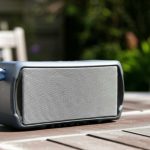
To cover a large backyard with amazing Bluetooth speaker sound, look for models with long wireless range, powerful sound output, and outdoor-friendly features. Consider multi-speaker setups or powerful single units designed for open spaces.
Hey there, tech explorer! Imagine this: a perfect summer evening, friends gathered, and your favorite playlist filling the air. But wait, is the music only clear near the patio? That’s the bummer of a small speaker trying to fill a big space. It can be super confusing trying to figure out which speaker can actually reach every corner of your yard without sounding weak or tinny.
We’ve all been there, staring at specs and wondering what they really mean for our outdoor parties. But don’t worry! I’m Max, and I’m here to make picking the right Bluetooth speaker for your big backyard as easy as hitting play. We’ll skip the confusing jargon and get straight to what matters.
So, let’s dive in and find a speaker that makes your whole backyard sing!

Why Your Backyard Needs More Sound
Think about your backyard. It’s your personal oasis, right? It’s where you grill, play with the kids, or just relax with a good book. Music can make all those moments even better. A great sound system can transform a simple gathering into a lively party or a quiet evening into a peaceful concert.
But when you’re standing at one end of the yard and the speaker is at the other, the magic can get lost. You end up cranking the volume so high that it’s not pleasant anymore, or you just accept that some spots won’t get any music at all. It’s a common problem, and it means you’re not getting the most out of your outdoor space.
The good news is, you don’t need to be a sound engineer to fix it. We just need to find a speaker built for the job. We’re talking about speakers that can throw sound far and wide, keeping the quality great everywhere.
Understanding the “Big Yard” Speaker Challenge
So, what makes a speaker good for a large backyard? It’s not just about being loud. Several things work together to make sure the sound reaches everywhere clearly. We need to think about how far the Bluetooth signal can travel and how powerfully the speaker can push sound out into the open.
Open spaces are different from rooms. In a house, walls bounce sound around, helping it fill the space. Outside, sound just travels in a straight line and can easily fade away or get lost in the breeze. That means we need speakers designed to overcome these challenges.
Let’s break down the key features that make a speaker a champion for large outdoor areas.
Key Features for Backyard Sound Coverage
When you’re looking for a Bluetooth speaker for your large backyard, some features are way more important than others. It’s like choosing the right tool for a job – you need the one that’s built for it. Here’s what to focus on:
Bluetooth Range: The Wireless Reach
This is a big one! Bluetooth range tells you how far the speaker can be from your phone or music player and still stay connected. Standard Bluetooth speakers might only have a range of about 30 feet. For a large backyard, that’s just not going to cut it.
You’ll want to look for speakers that advertise a longer Bluetooth range. Some can reach up to 100 feet or even more. This means you can leave your phone inside or near the house and still have a solid connection to the speaker out in the yard. Always check the specs for the official range, but remember that walls and other electronics can sometimes interfere and shorten it.
Sound Output Power (Wattage): How Loud It Gets
Wattage is like the horsepower of your speaker. Higher wattage generally means a louder, more powerful sound. For a big outdoor space, you’ll need more than a small, portable speaker that’s meant for a desk or a small room.
Look for speakers with at least 20 watts for decent sound, but for a truly large backyard, 40 watts or more is a good target. This will ensure the music can be heard clearly even over background noise like chatter or wind.
Durability and Weather Resistance: Built for the Outdoors
Your speaker will be outside, so it needs to handle the elements. Look for speakers with an IP rating. This rating tells you how well the speaker is protected against dust and water.
IPX4: This means it’s protected against splashes of water. Good for a little rain or accidental spills.
IPX5: Protected against low-pressure water jets. Better for heavier rain.
IPX6: Protected against strong water jets. Very good for outdoor use.
IPX7: Can be submerged in water for a short time. Excellent for poolside or unexpected downpours.
Beyond water, consider dust protection (the first number in an IP rating, like IP67). Some speakers are also built with rugged materials to survive bumps and drops.
Portability vs. Power: Finding the Balance
Some of the most powerful speakers are also the biggest. You need to decide if you want one massive speaker or a couple of smaller ones. If you plan to move it around a lot, a lighter, more portable option might be better.
However, for consistently great sound across a large area, a more substantial speaker or a system designed for coverage is often the best bet. Think about where you’ll store it too!
Stereo Pairing and Multi-Speaker Systems: Doubling the Fun
Many modern Bluetooth speakers allow you to pair two identical speakers together to create a stereo sound experience. This is fantastic for filling a large space. You can place the two speakers at opposite ends of your patio or yard.
Some brands offer more advanced multi-speaker systems where you can connect even more units. This gives you the most control over sound coverage. It’s like having a mini sound system for your whole backyard!
Top Picks for Large Backyard Bluetooth Speakers
Now, let’s talk about some types of speakers that really shine in big outdoor areas. These aren’t specific brand recommendations (as models change!), but categories that tend to perform well.
The Powerful Portable Powerhouse
These are usually larger portable speakers that pack a punch. They are designed to be loud and clear, often with good bass, and can handle being outdoors.
What to look for: High wattage (40W+), good IP rating (IPX5 or higher), and advertised long Bluetooth range (50ft+).
Why it works: One of these can often cover a good portion of a medium to large backyard. They’re also easy to move around if you need to adjust the sound.
The Rugged Outdoor Companion
These speakers are built tough. They often have enhanced durability and weatherproofing. They might sacrifice a little bit of sleek design for ruggedness.
What to look for: High IP rating (IP67 is great!), shock resistance, and decent sound output. Battery life is also usually a strong point here.
Why it works: You don’t have to worry as much about leaving it out or it getting knocked over. They are reliable workhorses for outdoor fun.
The Multi-Speaker System (True Coverage)
This is where you get serious about filling your entire backyard. You pair two or more identical speakers.
What to look for: Speakers that explicitly support stereo pairing or multi-speaker linking. Check how many speakers can be connected.
Why it works: By placing speakers strategically, you ensure sound reaches every nook and cranny. It’s the best way to get consistent volume and quality everywhere.
Let’s look at some typical specs you might see and what they mean in a real-world backyard scenario.
Speaker Spec Comparison for Large Yards
Here’s a little table to help you see what different kinds of specs might look like and how they relate to backyard coverage.
| Feature | Small Portable Speaker (e.g., for a picnic) | Powerful Portable Speaker (Good for medium yards) | Rugged Outdoor Speaker (Big yard potential) | Multi-Speaker System (Best for large yards) |
| :———————- | :—————————————— | :———————————————— | :—————————————— | :—————————————— |
| Typical Wattage | 5-15W | 30-60W | 25-50W | 2 x 20-40W per speaker |
| Bluetooth Range | ~30 ft | ~50-100 ft | ~40-80 ft | ~30-50 ft (per connection) |
| IP Rating | IPX4 (splashproof) | IPX5-IPX6 (water resistant) | IPX6-IPX7 (very water resistant/submersible) | IPX5-IPX7 (model dependent) |
| Size/Weight | Small, very light | Medium, portable | Medium to Large, sturdy | Varies (often medium per unit) |
| Ideal for Backyard | Small patios, decks | Medium yards, open decks | Large yards, high-traffic areas | Very large yards, consistent coverage |
| Sound Quality Focus | Portability, clarity | Balanced sound, decent bass | Durability, clear mids/highs | Wide soundstage, immersive |
What does this table mean for you? See how the wattage generally goes up as the speaker gets bigger and better suited for larger areas? That higher wattage means more volume. Also, notice the Bluetooth range. If you have a sprawling backyard, you’ll definitely want to lean towards speakers that boast 50 feet or more. And for those unexpected summer showers, a higher IP rating is your best friend. For the ultimate backyard sound experience, the multi-speaker system offers the most control and best coverage, even if it means managing two units.
How to Set Up Your Backyard Sound System
Getting your speaker connected and ready to go is usually pretty straightforward. Here’s a simple rundown:
1. Charge It Up: Make sure your speaker is fully charged before you head outside. Some larger speakers can last for 10-20 hours on a single charge, which is perfect for a whole day of fun.
2. Turn It On: Find the power button and hold it down until the speaker turns on. You’ll usually hear a little chime or a voice prompt.
3. Activate Bluetooth: Put your speaker into pairing mode. This is often done by pressing and holding the Bluetooth button. Again, a light might flash, or you’ll hear a sound.
4. Connect Your Device: On your phone, tablet, or music player, go to your Bluetooth settings. You should see the name of your speaker appear in the list of available devices. Tap on it to connect.
5. Play Your Music! Once connected, you should hear a confirmation sound. Now you can open your favorite music app and start playing!
If you’re using a multi-speaker setup, the process is usually similar, but you’ll have an extra step to link the speakers together. This might involve pressing a specific button on each speaker or using a dedicated app from the manufacturer.
Tips for Maximizing Sound in Your Backyard
Even with a great speaker, a few tricks can help you get the best sound coverage.
Strategic Placement is Key
Central Location: If you have one powerful speaker, try to place it in a relatively central spot in your backyard. This helps the sound reach all areas more evenly.
Elevate It: Placing the speaker on a table or stand can help lift the sound and project it further, rather than letting it get absorbed by the grass.
Avoid Obstacles: Don’t hide your speaker behind dense bushes or furniture. These things can block and muffle the sound.
Consider the Wind
Wind can be a sound killer in the backyard. If it’s breezy, try to position your speaker so it’s not directly facing into the wind. Sometimes, placing it closer to a wall or fence can help create a bit of a sound barrier.
Manage Your Source Device
Keep your phone or music player within a reasonable range of the speaker. While you want long Bluetooth range, having your device too far away, even within the advertised range, can sometimes lead to dropouts, especially if there are many other wireless signals around.
Use Stereo Pairing Wisely
If you have two speakers, placing them on opposite sides of your main gathering area can create a fantastic stereo effect and ensure everyone hears the music clearly.
Don’t Forget About Power
For longer gatherings, especially with high-powered speakers, you might need a portable power bank or an extension cord if your speaker isn’t battery-powered. Check the battery life specs carefully!
When to Go for a Multi-Speaker Setup
Sometimes, one speaker just isn’t enough. If you have a really sprawling backyard or an unusual shape, a single powerful speaker might leave some dead zones. That’s where multi-speaker systems shine.
Imagine having two or three speakers placed strategically. One near the patio, one by the garden, and maybe another closer to the deck. This creates a consistent sound bubble throughout your entire outdoor space.
Pros of Multi-Speaker:
Superior sound coverage.
Even volume levels everywhere.
Can create a true stereo sound experience.
More flexibility in placement.
Cons of Multi-Speaker:
More expensive than a single speaker.
Requires managing multiple devices.
Setup might be slightly more complex (though usually easy).
Brands like JBL, Bose, and Sony offer excellent options for linking multiple speakers. You can often find them advertised as “party speakers” or “wireless stereo pairing” systems.
Fun Fact: The Science of Sound Dispersion
Did you know that the shape of a speaker’s grille and cabinet can affect how sound spreads out? Speakers designed for outdoor use often have grilles that help project sound in a wider pattern, reaching more people. It’s a little bit of engineering magic helping your music travel!
Where to Find More Info
If you want to dive deeper into speaker technology and read reviews from experts, sites like CNET and TechRadar are fantastic resources. They test a wide range of speakers and give honest opinions on performance, features, and value.
Frequently Asked Questions (FAQs)
Here are some common questions beginner tech enthusiasts might have about backyard Bluetooth speakers.
Q1: How far does Bluetooth range really go?
A1: The advertised range (like 100 feet) is usually for ideal, open-air conditions. In reality, walls, furniture, and even other wireless devices can reduce that. For a large backyard, aim for speakers with a higher advertised range and keep your music source device reasonably close.
Q2: Can I use a regular indoor speaker outside?
A2: You can, but it’s not ideal. Indoor speakers aren’t built to withstand moisture, dust, or extreme temperatures. They might also not be loud enough for an open space. Outdoor-specific speakers are much more durable and designed for better sound dispersion.
Q3: What’s the difference between waterproof and water-resistant?
A3: Water-resistant (like IPX5) means it can handle splashes or light rain. Waterproof (like IPX7) means it can be submerged in water for a period without damage. For backyard use, water-resistant is usually enough, but waterproof offers extra peace of mind!
Q4: How many watts do I need for a large backyard?
A4: For a medium-sized backyard, 30-40 watts is a good starting point. For a truly large area, consider 50 watts or more, or opt for a multi-speaker setup where the total wattage is higher.
Q5: Can I connect my speaker to my TV for outdoor movie nights?
A5: Some Bluetooth speakers can connect to TVs, but there might be a delay (latency) between the video and audio. This is usually more noticeable with older Bluetooth versions. Newer speakers and TVs often handle this better, but it’s something to check if this is important to you.
Q6: Do I need a special app to link speakers together?
A6: Many modern speakers use a simple button-press system to link. However, some brands have companion apps that offer more control over speaker settings and linking multiple units. Check the speaker’s description to see if an app is required or recommended.
Q7: How important is bass for an outdoor speaker?
A7: Bass is great, but in a large outdoor space, it can sometimes get lost or sound muddy. Look for speakers that offer a good balance of bass, mids, and highs. Sometimes, a speaker that sounds slightly less bass-heavy indoors might sound perfect outdoors.
Your Backyard, Amplified!
Picking the right Bluetooth speaker for a large backyard doesn’t have to be a headache. By focusing on key features like Bluetooth range, sound power, and durability, you can find a speaker that truly transforms your outdoor experience.
Whether you choose a single, mighty portable speaker, a rugged outdoor companion, or a smart multi-speaker system, you’re on your way to enjoying amazing sound wherever you are in your yard. Remember to place it strategically, and don’t be afraid to experiment to find that sweet spot.
Now go forth and fill your backyard with fantastic tunes! Enjoy the music, the company, and those beautiful outdoor moments, all made better by the perfect sound.