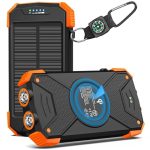
A power bank charger is a portable device that stores electrical energy and allows you to charge your smartphones, tablets, or other gadgets on the go. It’s like carrying a mini energy reservoir that keeps your devices powered up everywhere you travel or spend long hours away from an outlet. Essentially, it’s a lifesaver for those who rely heavily on their electronic devices and can’t always find a power source nearby. To put it simply, a power bank charger is a compact, rechargeable battery pack designed to give your devices additional battery life whenever you need it most. Whether you’re on a camping trip, commuting, or during a power outage, a good power bank ensures you stay connected without interruption.
A power bank charger is a portable rechargeable battery that provides extra power to electronic devices. It offers convenience and peace of mind by ensuring your devices remain functional throughout the day, especially when access to electricity is limited. It’s an essential gadget for modern life, combining mobility and practicality in one easy-to-carry package.

What is a Power Bank Charger
A power bank charger is a portable device that stores electrical energy and allows you to charge your gadgets on the go. It has become a must-have for people who rely on smartphones, tablets, or other electronic devices daily. Understanding what a power bank charger is can help you choose the right one for your needs.
Basic Definition of a Power Bank Charger
A power bank charger is like a large, rechargeable battery with USB ports. It can store energy and then transfer it to other devices through these ports. This allows you to charge your devices without needing a wall socket or direct power source.
How Does a Power Bank Charger Work?
When you connect your device to a power bank, the stored energy flows from the power bank to your device’s battery. Inside, a circuit manages the voltage and current to ensure safe and efficient charging. The process is similar to plugging your device into an electrical outlet, just in a smaller, portable format.
Components of a Power Bank Charger
- Battery Cells: Usually lithium-ion or lithium-polymer, these store the electrical energy.
- Circuit Board: Manages power flow, voltage regulation, and protection features.
- USB Ports: The output interface where you connect your device.
- Input Port: For recharging the power bank itself, often a micro USB or USB-C port.
- Display or Indicator Lights: Show battery level and charging status.
Types of Power Bank Chargers
Standard Power Banks
These are basic devices with a fixed capacity and usually a single USB output. They are ideal for everyday use when you want simple backup power.
Fast Charging Power Banks
Designed to deliver higher power levels, these chargers can fill your devices’ batteries much quicker. They support technologies like Quick Charge or Power Delivery.
Solar Power Banks
Incorporate solar panels to recharge using sunlight. These are perfect for outdoor adventures and situations where conventional power sources are unavailable.
Wireless Power Banks
Allow wireless charging through Qi technology, eliminating the need for cables. These are convenient for compatible devices and reduce cable clutter.
Capacity and Power: What Do They Mean?
Capacity is measured in milliamp-hours (mAh) or watt-hours (Wh). A higher capacity means more stored energy, enabling multiple charges for your devices.
| Capacity (mAh) | Number of Charges for a Smartphone |
|---|---|
| 5000 mAh | One full charge for an average smartphone |
| 10000 mAh | Two full charges |
| 20000 mAh | Four or more charges |
Understanding Power Output and Charging Speed
The power output, measured in watts (W), affects how fast your device charges. A power bank with higher output can charge devices more quickly, especially compatible fast-charging devices.
Standard vs. Fast Charging
Standard charging provides about 5V at 1A, which is slow but safe for most devices. Fast charging can deliver 9V or more at higher amperage, significantly reducing charging times.
Why Choose a Power Bank Charger?
- Portability: Easy to carry around for travel, outdoor activities, or emergencies.
- Convenience: Provides power anytime, anywhere, without the need for an outlet.
- Multiple Device Support: Many power banks have multiple ports, allowing you to charge several gadgets simultaneously.
- Backup Power: Critical during power outages or when traveling to remote locations.
How to Select the Right Power Bank Charger
Consider Your Device Needs
Check the battery capacity and charging requirements of your devices. For example, larger tablets or laptops may need higher capacity or specific fast-charging features.
Evaluate Capacity and Size
Balance between capacity and portability. Larger capacity units are heavier but provide more charges, while smaller ones are easier to carry but have limited power.
Charging Speed and Compatibility
Look for power banks supporting fast charging standards compatible with your devices. Ensure the output ports match your needs for efficient charging.
Additional Features to Consider
- Number of Ports: More ports mean more devices can be charged simultaneously.
- Built-in Cables: Some models include integrated cables for added convenience.
- Durability: Water or shock resistance can be important for outdoor use.
- Display Indicators: Battery level displays help monitor remaining power.
Battery Safety and Maintenance
Quality power banks include safety features like overcharge, overdischarge, and short circuit protection. Proper maintenance, such as avoiding extreme temperatures, prolongs device lifespan.
Related Devices and Accessories
- Charging Cables: Ensure compatibility with your power bank.
- Wall Adapters: For recharging your power bank efficiently.
- Car Chargers: Useful for recharging power banks during road trips.
- Protective Cases: Guard your power bank against damage and scratches.
Common Myths About Power Bank Chargers
- Myth: Power banks can explode easily.
- Fact: High-quality devices have safety features to prevent hazards.
- Myth: More capacity always means better performance.
- Fact: Choose capacity based on your actual needs to avoid unnecessary weight.
Future Trends in Power Bank Technology
Advances include faster recharging times, higher capacities without increasing size, and integration with solar or renewable energy sources. Wireless charging compatibility is also becoming more popular.
Understanding what a power bank charger is equips you to select the right device for your lifestyle. With various options available, you can find a portable power solution that keeps your gadgets running smoothly wherever you go.
How to charge a power bank the proper way
Frequently Asked Questions
How does a power bank charger work to keep devices powered?
A power bank charger operates by storing electrical energy in its internal batteries. When you connect your device, the power bank transfers the stored energy through its output ports, supplying power to your device. It uses circuitry to manage voltage and current, ensuring safe and efficient charging, even when you’re on the move.
What types of devices can a power bank charger support?
A power bank charger can support a wide range of devices, including smartphones, tablets, Bluetooth headphones, portable speakers, and even some small laptops. Many power banks come with multiple output ports and different charging specifications to accommodate various device requirements.
What features should I consider when choosing a power bank charger?
When selecting a power bank charger, consider its capacity measured in milliampere-hours (mAh), output power options, number of output ports, and charging speed. Additionally, look for features like fast-charging capability, compact size, and safety protections to ensure reliable and convenient use.
Final Thoughts
A power bank charger offers a portable solution to keep your devices charged on the go. It stores electrical energy and transfers it to smartphones, tablets, or other gadgets easily.
These devices come in various sizes and capacities, making them suitable for different needs. They ensure you stay connected without searching for power outlets.
In summary, a power bank charger is an essential accessory for anyone relying on mobile devices throughout the day. It provides convenience and independence, especially during travel or emergencies.