Choosing the right speaker wire gauge is key to unlocking amazing sound for your home cinema. Don’t worry, it’s simpler than you think! We’ll help you find the perfect fit so your movies and music sound incredible.
Hey there, tech adventurers! Ever get that feeling when you’re setting up your home cinema, and you see all those wires, and your brain just goes “Whoa, what is all this?!” It’s super common, especially when you start looking at all the numbers and technical stuff. You just want your movies to sound epic, right? You want to feel like you’re right there in the action.
Picking the right speaker wire is like choosing the perfect road for your sound to travel on. If the road is too small or bumpy, the sound just doesn’t get there as clearly or as powerfully. But don’t sweat it! I’m here to make this super simple. We’re going to break down speaker wire gauge like we’re just chatting over coffee.
We’ll explore why it matters and what those mysterious numbers actually mean for your awesome home cinema setup. Ready to dive in and make your sound system sing? Let’s make this easy!
Why Speaker Wire Gauge Actually Matters for Your Home Cinema
Imagine you’re trying to get a big, delicious milkshake from the counter to your table. If you use a super thin straw, it’s going to take forever, and you might not get all that yummy goodness. You’d much rather have a nice, thick straw, right? Speaker wire is kind of like that straw for your sound.
Your amplifier or receiver sends an electrical signal to your speakers. This signal is carrying all the audio information – the explosions in a movie, the soaring music, the dialogue. The speaker wire is the pathway for that signal. If the wire isn’t thick enough, it can resist the signal. This resistance can lead to a weaker sound, less bass, and generally a less immersive experience.
For a home cinema, where you want those big, booming sounds and clear dialogue, getting this right makes a huge difference. You want every note and every whisper to come through loud and clear, just as the sound engineers intended. It’s all about giving your sound the best possible journey to your ears.
Let’s Talk About “Gauge”: What Does That Number Mean?
Okay, so you’ve seen numbers like 16, 14, 12, or even 10 on speaker wire packages. What’s the deal with that? This number is called the “gauge.” In the world of wire, it’s a little bit backward and totally cool. The lower the gauge number, the thicker the wire is.
Think of it like this: a 10-gauge wire is much thicker than a 16-gauge wire. A thicker wire has more “room” for the electrical signal to flow through easily. This means less resistance and a cleaner, stronger signal reaching your speakers. It’s like a wider highway for your sound to travel on.
So, when you’re looking for the best speaker wire, you’ll often see charts or recommendations telling you which gauge to use. It’s not just random; it’s based on how far the wire needs to travel and how much power the speaker needs.
The Sweet Spot: What Gauge Speaker Wire Is Best for Home Cinema?
This is the million-dollar question, right? The “best” gauge depends on a few things, but for most home cinema setups, we’re looking for a sweet spot that balances performance and practicality. The goal is to minimize signal loss, especially over longer distances.
Generally, for typical home cinema speaker runs (say, under 50 feet) and for most bookshelf or surround speakers, a 16-gauge (16 AWG) wire is a great starting point. It’s a solid all-rounder that offers good performance without being overly thick or expensive. It’s also pretty easy to work with.
However, if you have larger floor-standing speakers, a more powerful amplifier, or your speaker runs are longer (over 50 feet), you’ll want to step up to a thicker wire. This is where 14-gauge (14 AWG) or even 12-gauge (12 AWG) wire really shines. These thicker wires offer even less resistance, ensuring that powerful sound signal reaches your speakers without getting diminished.
For the absolute best performance, especially with high-end systems or very long runs, 12-gauge is often recommended. But honestly, for 90% of home cinema setups, 16-gauge or 14-gauge will do a fantastic job.
Understanding Speaker Wire Specifications: A Quick Cheat Sheet
Let’s break down what you’ll commonly see and what it means for your home cinema.
Gauge (AWG): As we talked about, lower number = thicker wire = less resistance = better sound. Common gauges are 16, 14, 12, 10.
Conductor Material: Most speaker wire uses copper. You’ll see terms like OFC (Oxygen-Free Copper) and CCA (Copper Clad Aluminum). OFC is generally considered superior for audio signals because it’s purer and conducts electricity better. CCA is cheaper but can degrade sound quality over time, especially with longer runs. Stick with OFC for the best home cinema experience!
Stranding: Wire is made of many thin strands of copper twisted together. More strands generally mean more flexibility and durability. For home cinema, you’re not usually moving the wires much, so this is less critical than gauge or material, but still good to know.
Jacket Material & Rating: The outer layer of the wire is the jacket. For in-wall installations, you need special CL-rated wire to meet safety codes. For general use, a durable PVC jacket is common.
When to Go Thicker: A Simple Guide to Wire Gauge and Distance
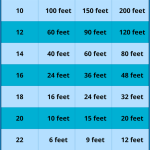
The length of your speaker wire run is a crucial factor. The further the sound signal has to travel, the more it can lose its power and clarity if the wire is too thin. This is where going to a thicker gauge wire becomes really important for your home cinema.
Here’s a handy way to think about it:
| Speaker Type / Power | Recommended Gauge for 50 ft |
| :——————- | :————————— | :————————— |
| Small Bookshelf / Surround Speakers | 16 AWG | 14 AWG |
| Larger Bookshelf / Smaller Floor-standing Speakers | 16 AWG or 14 AWG | 14 AWG |
| Larger Floor-standing / High-Power Speakers | 14 AWG | 12 AWG |
| In-Wall / Long Runs (> 100 ft) | 14 AWG or 12 AWG | 10 AWG or 12 AWG |
See? It’s all about matching the wire to the job. For your main front speakers and any powerful rear speakers in your home cinema, you want to make sure they’re getting the best signal.
If you’re running wires through walls or ceilings for a clean look, always use wire that is rated for in-wall use (like CL, CL2, or CL3). This is a safety thing, and it’s super important. Check your local building codes, but generally, these ratings ensure the wire jacket is fire-retardant.
Why OFC is Your Home Cinema’s Best Friend
Let’s talk about the material for a moment. You’ll often see speaker wire advertised as OFC or CCA. OFC stands for Oxygen-Free Copper. CCA stands for Copper Clad Aluminum. For home cinema, you really want to aim for OFC.
Think of OFC as pure gold for your sound. It’s much more efficient at conducting electricity with less resistance. This means your audio signal stays strong and clear from your amplifier all the way to your speakers. Less signal loss means crisper highs, more defined mids, and tighter bass – all the things that make a home cinema experience truly amazing.
CCA wire, on the other hand, is basically aluminum wire coated in a thin layer of copper. It’s cheaper, but aluminum has higher resistance than copper. This means more signal loss, especially over longer distances. Over time, CCA can also corrode, leading to even more resistance and degraded sound. So, for the best quality sound in your home cinema, always go for 100% OFC speaker wire.
Connecting Your Speakers: A Simple How-To
Hooking up your speaker wire is pretty straightforward. Most modern receivers and speakers use either binding posts or spring clips.
Here’s a quick step-by-step:
1. Turn Off Your Gear: Always make sure your amplifier or receiver is unplugged and turned off before you start connecting or disconnecting wires. Safety first!
2. Prepare the Wire: If your wire isn’t pre-terminated, you’ll need to strip about half an inch of the outer jacket. Then, twist the exposed strands of each conductor together tightly. Some people like to tin the ends with a little solder for a super-secure connection, but it’s not strictly necessary for most setups.
3. Identify Polarity: This is super important for good sound! Speaker wire has two conductors. Usually, one conductor has a stripe, a ridge, or is a different color (like red) to mark the positive (+) terminal. The other conductor is negative (-). Your speakers and amplifier will also have matching positive and negative terminals.
4. Connect to the Amplifier:
Binding Posts: These are the most common on higher-end gear. You usually unscrew a cap, insert the wire end into the hole, and screw the cap back down firmly to secure the wire.
Spring Clips: You push down a tab or lever, insert the bare wire end into the opening, and release the tab. The spring tension holds the wire in place.
5. Connect to the Speaker: Do the same thing at the speaker end. Make sure you connect positive (+) on the amplifier to positive (+) on the speaker, and negative (-) to negative (-). If you get this wrong, your sound can be out of phase, leading to a thin, weak sound, especially in stereo.
6. Double Check: Before powering anything on, give all your connections a gentle tug to make sure they are secure. Also, double-check that you’ve matched positive to positive and negative to negative on every speaker.
It’s really that simple! A solid connection ensures that all that awesome sound from your amplifier gets to your speakers without any hiccups.
Choosing the Right Wire Type for Your Home Cinema Project
Not all speaker wire is created equal, and the type you choose can impact both sound quality and safety, especially in a home cinema.
Standard Speaker Cable: This is your go-to for most situations. It’s flexible, easy to work with, and comes in various gauges and OFC materials. Perfect for connecting your speakers to your receiver when the wires are visible or run along baseboards.
In-Wall Rated Speaker Cable (CL2, CL3): If you’re planning to hide your speaker wires behind walls, in ceilings, or under carpets, you absolutely must use wire that is rated for in-wall installation. These jackets are designed to be fire-retardant and meet strict safety codes. Using standard cable inside walls is a fire hazard and illegal in many places.
Bulk Spool vs. Pre-Terminated: You can buy speaker wire by the foot or on large spools. Buying in bulk is usually more economical if you need a lot of wire. Pre-terminated cables have connectors already attached, which can be convenient but often cost more. For a home cinema with multiple speakers, buying bulk OFC wire in the correct gauge is often the best value.
A quick tip: when buying, look for reputable brands. You can find great options from companies like Monoprice, AmazonBasics (check their OFC options!), and more specialized audio brands. Always read the product descriptions carefully to ensure you’re getting 100% OFC copper and the correct gauge for your needs.
Pro Tips for Amazing Home Cinema Sound
Beyond just picking the right gauge, a few little tricks can elevate your home cinema audio experience even further. These are the kinds of things that make a noticeable difference.
Keep Runs Equal: If possible, try to make the speaker wire runs to each of your main speakers (front left, front right, center, etc.) roughly the same length. While the difference might be minimal for most home users, it can help ensure all speakers receive a perfectly balanced signal.
Avoid Kinks and Pinches: Try to run your speaker wire smoothly. Sharp kinks or pinching the wire can create resistance or even damage the conductors over time, impacting sound quality.
Secure Connections are Key: As we covered, make sure all connections at the amplifier and speaker ends are snug and secure. Loose connections are a common cause of crackling or intermittent sound.
Consider Banana Plugs: For a cleaner look and super-easy connection/disconnection, consider using banana plugs on the ends of your speaker wire. They just plug directly into binding posts. Many receivers and speakers support them. They’re a small upgrade that makes a big difference in convenience.
Listen Critically: Once everything is hooked up, play a movie or some music you know well. Listen for clarity, bass response, and overall balance. If something sounds off, double-check your connections and your wire gauge choices.
These little things add up to a much more professional and enjoyable listening experience for your home cinema.
Frequently Asked Questions (FAQs) About Speaker Wire Gauge
Got more questions? No problem! Here are some common ones beginners ask about speaker wire.
Q1: Do I really need to worry about speaker wire gauge for my TV speakers?
For most built-in TV speakers, the wire is integrated and not something you change. However, if you’re using an external soundbar or a full home cinema receiver with separate speakers, then yes, the gauge of the wire connecting your receiver to those speakers absolutely matters for sound quality!
Q2: Can I use different gauge wires for different speakers in my system?
It’s best to use the same gauge and type of wire for all your speakers if possible. However, if you have to, using a thicker gauge for your front main speakers and a slightly thinner (but still appropriate) gauge for your smaller surround speakers is generally okay. Just ensure you’re not going too thin for any speaker.
Q3: I found some really old speaker wire in my garage. Can I use it?
You can try, but check its condition carefully. If it’s brittle, cracked, or looks corroded, it’s best to replace it. Also, try to identify its gauge and material. If it’s very thin or looks like CCA, you might be sacrificing sound quality for your home cinema. New, good-quality OFC wire is usually a worthwhile investment.
Q4: What’s the difference between 16 AWG and 14 AWG speaker wire?
14 AWG wire is thicker than 16 AWG wire. This means 14 AWG has less electrical resistance. It’s better at carrying the audio signal over longer distances or to more demanding speakers without losing power or clarity. Think of it as a wider, smoother road for your sound.
Q5: Does speaker wire color matter?
The color of the wire jacket itself doesn’t affect the sound. What does matter is the polarity marking. Most wires have a stripe, ribbing, or a different color on one of the conductors to help you identify positive (+) and negative (-). Always match these up correctly at both ends!
Q6: How much speaker wire do I need for my home cinema?
Measure the distance from your receiver or amplifier to each speaker location. Add a little extra (say, 5-10 feet per speaker) to give you some slack for neat routing. It’s always better to have a little extra than to run out!
Q7: Is expensive speaker wire really better?
For most home cinema setups, you don’t need super-expensive, exotic speaker cables. High-quality, pure OFC copper wire in the correct gauge (like 16 AWG or 14 AWG) from a reputable brand will provide excellent performance. The biggest gains come from using the right gauge for the distance and ensuring clean, solid connections. Beyond that, the improvements often become very subtle.
The Final Word: Your Home Cinema Deserves Great Sound!
So there you have it! Choosing the right speaker wire gauge for your home cinema isn’t rocket science. It’s all about giving your sound the best possible path to your ears. Remember, a lower gauge number means a thicker wire, which means less resistance and better sound, especially for longer runs or more powerful speakers.
For most setups, 16-gauge is a fantastic start, and stepping up to 14-gauge or 12-gauge is the way to go for bigger systems or longer distances. Always opt for 100% OFC copper wire for the cleanest signal. And don’t forget those crucial polarity connections – positive to positive, negative to negative!
By taking a little care in selecting and installing your speaker wire, you’re setting yourself up for a truly immersive and amazing home cinema experience. You’ve got this!
Now go enjoy amazing sound and make every movie night, every gaming session, and every music listening experience louder and better!