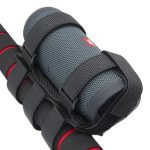
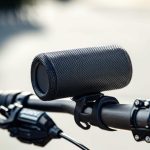
Want to blast tunes on your bike rides? This guide shows you exactly how to securely mount a Bluetooth speaker on your bicycle. Get ready for an awesome soundtrack on every adventure, easily and safely!
Hey there, fellow tech and adventure lovers! Ever been out on a bike ride and wished you had some awesome music to go with it? Maybe you’re cruising through a park, hitting some trails, or just heading to the coffee shop. Music just makes everything better, right? It’s like having your own personal DJ follow you around!
But then you start thinking, how do I actually do that? You can’t just shove a speaker in your pocket. And holding it? Nope, that’s a recipe for disaster. Plus, figuring out the best way to attach it so it doesn’t fall off or annoy anyone can feel like a puzzle.
Don’t worry, I’ve got your back! We’re going to break down exactly how to get your favorite Bluetooth speaker securely attached to your bike. It’s easier than you think, and once you’ve done it, your rides will never be the same. Let’s make this happen, step by step!
Why Mount a Bluetooth Speaker on Your Bike?
Riding a bike is fantastic. It’s great exercise, it’s good for the planet, and it lets you explore your surroundings. But let’s be honest, sometimes it can feel a little… quiet. Adding a Bluetooth speaker can totally transform your ride. It’s like adding the perfect soundtrack to your own movie!
Imagine cycling along a scenic route with your favorite upbeat playlist. Or maybe you’re on a longer journey and want some podcasts to keep you company. A mounted speaker means your music is with you, loud and clear, without you having to hold anything. It’s pure freedom and fun, all rolled into one.
Plus, sharing your tunes with friends on a group ride can be a blast. It creates a shared experience and adds a real energy to the group. It’s about making your biking adventures more enjoyable and memorable. Ready to get your music on the move?
Choosing the Right Bluetooth Speaker for Your Bike
Not all Bluetooth speakers are created equal, especially when you want to take them on a bike. You need something that can handle the ride. Think about durability. Will it survive a little bump or a splash of rain? Most portable speakers are built pretty tough these days, which is great news!
Battery life is also super important. You don’t want your music cutting out halfway through your ride. Look for speakers that can last for at least 8-10 hours on a single charge. That’s usually enough for a good long ride or a few shorter ones before you need to plug it in again.
And of course, sound quality! While you don’t need a concert hall in your handlebars, good sound makes a big difference. You want something clear and loud enough to hear over the wind and traffic. Many compact speakers pack a surprising punch these days.
Key Features to Look For:
- Water Resistance: Look for an IPX rating (like IPX5 or IPX7). This means it can handle splashes or even being submerged briefly. Perfect for unexpected rain showers!
- Durability: A rugged design with good casing can protect it from drops and vibrations.
- Battery Life: Aim for 8+ hours of playback.
- Compact Size: Smaller speakers are easier to mount and won’t feel too bulky.
- Mounting Options: Some speakers have built-in loops or carabiner clips, which are super handy.
A great example of a speaker that fits these needs is the Ultimate Ears Boom 3. It’s known for being waterproof, dustproof, and pretty tough, plus it has great sound. Another popular choice is the JBL Flip series, which offers good sound in a portable, water-resistant package. These are just ideas to get you thinking about what makes a good bike speaker!
How to Mount Your Bluetooth Speaker: The Ultimate Guide
Alright, the moment you’ve been waiting for! Getting your speaker onto your bike. There are a few ways to do this, and the best method often depends on your bike and the speaker itself. We’ll cover the most popular and effective ways.
The goal is simple: keep your speaker secure, accessible, and not in the way of your riding. We want to avoid it rattling around, falling off, or distracting you. Safety and stability are key here. Let’s dive into the methods!
Method 1: Using a Dedicated Bike Speaker Mount
This is often the cleanest and most secure way. Bike speaker mounts are designed specifically for this job. They come in various forms, but most clamp onto your handlebars or seat post.
What you’ll need:
- A Bluetooth speaker
- A dedicated bike speaker mount (like a handlebar mount with an adjustable strap or a clamp with a platform)
- Screwdriver or Allen wrench (usually included with the mount)
Step-by-step:
- Choose a location: Most people prefer the handlebars for easy access and sound direction. The seat post is another option if your handlebars are too crowded.
- Attach the mount to your bike: Loosen the clamp or strap on the mount. Position it on your chosen spot (handlebars or seat post). Tighten the clamp securely. Make sure it’s snug but don’t overtighten so much that you damage your bike.
- Secure the speaker to the mount: Most mounts have adjustable straps or a cradle. Place your speaker into the cradle or wrap the straps around it. Adjust the straps to make sure the speaker is held firmly in place. It shouldn’t wiggle or move at all.
- Test it out: Give the speaker a gentle tug. Does it feel solid? If not, tighten the straps or clamp a bit more.
Pro Tip: Some mounts have a universal design that can fit most speakers, while others are designed for specific speaker shapes. Check the compatibility before you buy!
Method 2: Using Straps or Zip Ties
This is a super simple and budget-friendly method. If you have a speaker with a loop or a sturdy shape, you can often strap it directly to your bike.
What you’ll need:
- A Bluetooth speaker
- Strong, reusable straps (like Velcro straps) or heavy-duty zip ties
- Scissors (if using zip ties)
Step-by-step:
- Find a good spot: Handlebars or the frame are good places. Ensure it won’t interfere with steering or braking.
- Position the speaker: Place the speaker where you want it.
- Secure with straps: Wrap your Velcro straps around the speaker and the bike part (e.g., handlebars). Pull them tight. You might need 2-3 straps for a good hold.
- Or, secure with zip ties: Thread the zip ties through any available loops on the speaker or around its body and the bike. Pull them tight. If using zip ties, make sure they are cut flush so you don’t have sharp ends poking out.
- Check for security: Give it a good shake. If it moves, add more straps or tighten them.
Fun Fact: Zip ties are incredibly strong and versatile! They’re used in everything from aerospace to everyday household fixes. They’re perfect for a quick, strong hold on your bike.
Method 3: Using a Water Bottle Cage Mount
Some speakers are roughly the size and shape of a water bottle. If yours is, you might be able to use a standard water bottle cage! This is a clever hack for certain speakers.
What you’ll need:
- A Bluetooth speaker that fits in a water bottle cage
- A water bottle cage (standard size)
- Screws to attach the cage to your bike (usually come with the cage)
- Optional: Rubber bands or a strap for extra grip
Step-by-step:
- Check fit: First, try putting your speaker into the cage off the bike. Does it slide in easily but still feel somewhat snug?
- Mount the cage: Most bike frames have two small screw holes for water bottle cages. Screw the cage securely into place.
- Insert the speaker: Carefully place your speaker into the cage.
- Add extra security (if needed): If the speaker feels a bit loose, you can wrap a few strong rubber bands around it before inserting, or use a small strap to secure it further.
- Test stability: Gently try to pull the speaker out. It should be held firmly.
Consideration: This method works best for cylindrical speakers. Make sure it doesn’t interfere with pedaling or your knees!
Method 4: Using a Basket or Pouch
If your bike has a front basket or you have a frame bag, this is the simplest solution. Just place your speaker inside!
What you’ll need:
- A Bluetooth speaker
- A bike basket or a frame pouch/bag
- Optional: A small towel or padding
Step-by-step:
- Place speaker in basket/pouch: Put the speaker in your basket or bag.
- Secure it: If the basket has a lid or straps, use them. If not, you might want to place it so it won’t fall out. A little padding can stop it from rattling.
- Ensure it’s safe: Make sure it’s not blocking your view or anything important.
Pro Tip: This is great for larger speakers or if you want to carry multiple items. Just be mindful of weight distribution on your bike!
Popular Speaker Mount Options & Features
Let’s look at some common types of mounts you might find. This can help you decide which one is best for you.
| Mount Type | Description | Best For | Pros | Cons |
|---|---|---|---|---|
| Handlebar Clamp Mount | Clamps onto handlebars, often with an adjustable strap or cradle for the speaker. | Most standard speakers, easy access. | Secure, good sound direction, easy to install. | Can add bulk to handlebars. |
| Universal Strap Mount | A base that attaches to the bike, with adjustable straps to hold the speaker. | Various speaker sizes and shapes. | Versatile, can fit many speakers. | Might require more adjustment to get a tight fit. |
| Water Bottle Cage Adapter | A cage designed to hold a speaker, or a cage that fits a speaker-shaped device. | Cylindrical speakers. | Sleek integration, uses existing mounting points. | Limited to speaker shape, might not be the most secure for rough rides. |
| Mesh Pouch/Sleeve | A stretchy mesh bag that holds the speaker and often has straps to attach to the bike. | Small to medium speakers. | Lightweight, flexible fit. | May not be the most secure for very bumpy rides. |
This table gives you a quick idea of what’s out there. Think about the shape of your speaker and where on your bike you want to put it. For example, if you have a very cylindrical speaker, a water bottle cage adapter might be a really neat and tidy solution. If you have a more unusually shaped speaker, a universal strap mount will give you the most flexibility.
Tips for a Great Biking Audio Experience
Mounting the speaker is only half the battle. Here are some tips to make your rides sound amazing!
- Volume Control: Be mindful of your surroundings. High volume can be dangerous if you can’t hear traffic or other people. It can also be annoying to others. Use a volume that’s just right for you.
- Speaker Placement: Pointing the speaker towards you generally gives the best sound experience. Handlebars are usually ideal for this.
- Battery Check: Always check your speaker’s battery level before you head out. Nothing kills the vibe like silence!
- Keep it Clean: After a muddy ride, wipe down your speaker and mount. This keeps them in good working order.
- Connectivity: Make sure your phone or device is paired before you start riding. Fumbling with your phone while cycling is a big no-no.
Did You Know? Bluetooth technology has come a long way! Early versions had a very short range, but modern Bluetooth 5.0 can transmit data up to 800 feet (240 meters) in open spaces. That’s way more than you’ll need for your bike, but it shows how far it’s advanced!
Protecting Your Speaker and Bike
When mounting your speaker, think about protecting both your gear. Vibrations from the road can be tough on electronics over time. Some mounts have built-in padding, or you can add a small piece of foam or rubber between the speaker and the mount.
Also, consider how the mount itself affects your bike. If you’re using a clamp, make sure it has rubberized grips to prevent scratching your handlebars. For zip ties, cutting them flush is important to avoid damaging your bike’s paint or your gear.
Here’s a quick checklist for protection:
- Padding: Add foam or rubber where the speaker meets the mount.
- Secure Fit: Ensure the speaker is snug and won’t bounce around.
- Gentle Clamps: Use mounts with rubber inserts if possible.
- Cleanliness: Wipe down after dusty or wet rides.
Comparing Speaker Durability and Battery Life
When you’re picking a speaker, these two factors are crucial for bike adventures. Battery life determines how long you can ride with tunes, and durability ensures your speaker survives the journey. Here’s a look at how some popular options stack up:
| Speaker Model | Typical Battery Life (Hours) | Water/Dust Resistance (IPX Rating) | Durability Features |
|---|---|---|---|
| JBL Flip 6 | 12 | IP67 (Waterproof & Dustproof) | Rugged fabric, durable housing. |
| Sony SRS-XB13 | 16 | IP67 (Waterproof & Dustproof) | Compact, durable exterior. |
| Bose SoundLink Flex | 12 | IP67 (Waterproof & Dustproof) | Powder-coated steel grille, rugged exterior. |
| Anker Soundcore 3 | 24 | IPX7 (Waterproof) | Durable design, good build quality. |
As you can see, many modern portable speakers offer excellent battery life and robust water resistance. For biking, an IPX7 rating is fantastic because it means your speaker can handle being submerged in water for a short period – perfect for those times you might accidentally drop it near a puddle or it gets caught in a downpour. The Anker Soundcore 3 stands out with its impressive 24-hour battery life, meaning you might not even need to charge it for a whole weekend of riding!
For more detailed reviews and comparisons of portable speakers, check out tech review sites like CNET. They often have in-depth testing and comparisons that can help you make the best choice.
Frequently Asked Questions (FAQ)
Q1: Can I use any Bluetooth speaker on my bike?
You can technically use any Bluetooth speaker, but some are much better suited for biking than others. Look for water resistance, durability, and a good battery life to ensure it can handle the ride and last long enough.
Q2: Is it safe to have music playing while cycling?
It can be, as long as you are responsible. Always keep the volume at a level where you can still hear important sounds like traffic, sirens, or other cyclists. Never let your music distract you from the road.
Q3: What’s the best place to mount a speaker on a bike?
The handlebars are often the best spot because they offer easy access and direct the sound towards you. The frame or seat post are other good options if your handlebars are too full.
Q4: Will my speaker fall off if I hit a bump?
If mounted correctly using a secure mount or strong straps, your speaker should stay put. Always double-check that it’s held firmly and doesn’t wiggle before you start riding.
Q5: How do I connect my speaker to my phone?
Turn on your speaker and put it in pairing mode (usually by holding down a Bluetooth button). Then, go to the Bluetooth settings on your phone, find your speaker in the list of available devices, and tap to connect. It’s usually a one-time setup.
Q6: Can I use a speaker that isn’t waterproof?
You can, but it’s riskier. If you ride in areas where rain is common, or if you’re prone to spilling drinks, a non-waterproof speaker could be damaged. If you do use one, make sure you have a way to protect it from the elements, like a waterproof bag.
Q7: How loud should my bike speaker be?
Loud enough for you to enjoy your music without being completely cut off from your surroundings. A good rule of thumb is that you should still be able to hear someone talking to you or a car honking nearby. Think of it as a personal sound bubble, not a concert!
Conclusion: Ride to Your Own Beat!
So there you have it! Mounting a Bluetooth speaker on your bicycle is a fantastic way to amp up your rides. Whether you’re commuting, training, or just cruising for fun, having your favorite tunes with you makes the experience so much richer.
We’ve covered why it’s awesome, how to pick the right speaker, and the best ways to mount it securely using dedicated mounts, simple straps, or even clever hacks like water bottle cages. Remember to always prioritize safety by keeping your volume at a responsible level and ensuring your speaker is firmly attached.
Now you’re all set to transform your bike rides into your own personal concert or podcast session. Don’t let another ride be silent. Go out there, mount up, and enjoy the journey with an epic soundtrack!