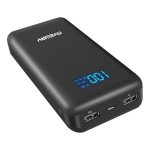
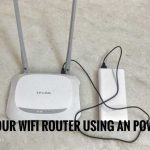
To make a simple power bank with a 9V battery, connect a voltage regulator to convert the 9V to a stable 5V output, then add a USB port for charging your devices. Use basic electronic components like a voltage regulator, some wires, and a small casing to assemble your DIY power bank quickly and affordably.
A 9V battery can be transformed into a portable power source by regulating its voltage to match your device’s needs. The key steps involve using a voltage regulator to step down the voltage from 9V to 5V, and then integrating a USB port for easy device charging. This simple project is perfect for tech enthusiasts who want an on-the-go charging solution using easily available parts.
If you’re wondering how to create a mini power bank using a 9V battery, don’t worry—it’s straightforward. Just get a voltage regulator, connect it properly, and add a USB socket. With some basic tools and components, you can build your own compact, functional power bank ready to charge your phone or other small electronics anytime you need.

How to Make a Power Bank with a 9V Battery
Understanding the Basics of a Power Bank
Making a power bank using a 9V battery starts with understanding its fundamental components. A power bank stores electrical energy and supplies it to charge devices like smartphones or tablets. To do this efficiently, you’ll need to convert the 9V power into a usable 5V output, which is standard for most USB-powered devices.
Key Components Needed for Your DIY Power Bank
Before starting, gather the following parts:
- 9V Battery
- Voltage Regulator (5V step-down regulator)
- Rechargeable Battery (optional for longer use)
- Battery Holder for 9V Battery
- USB Output Port
- Wire Connectors and Wires
- Soldering Iron and Solder
- On/Off Switch (optional)
- Enclosure Case
Having these components ready makes assembly smoother and safer.
How to Step Down Voltage from 9V to 5V
The main challenge is converting 9V to a steady 5V for your devices. Use a **voltage regulator** designed for this purpose, such as the LM7805. This device reduces voltage efficiently, ensuring your device charges accurately.
Selecting the Right Voltage Regulator
When choosing a regulator, ensure it can handle the current your devices draw. Most smartphones need around 1A during charging. Check the regulator’s maximum output current and heat dissipation capabilities.
Wiring the Voltage Regulator
Connect the 9V battery to the regulator’s input pin. Attach the regulator’s ground pin to the battery’s negative terminal. Connect the output pin of the regulator to the USB port’s positive terminal, and ground to its negative terminal. Make sure all connections are solid to prevent power loss or short circuits.
Adding a Rechargeable Battery for Extended Use
To increase the power bank’s capacity, consider integrating a rechargeable battery like a lithium-ion cell. This allows multiple charges for your devices without relying solely on the 9V battery.
Connecting the Rechargeable Battery
Use a suitable charger circuit to safely charge and discharge the lithium-ion cell. Connect the battery to the regulator circuit, ensuring proper polarity. Be cautious with voltage levels and avoid overcharging.
Incorporating Safety Features
Safety cannot be overlooked when building electronic devices. Include a **fuse** to prevent overloads and a **switch** to control power flow. Additionally, ensure proper insulation of wires and secure housing to reduce the risk of short circuits.
Adding an On/Off Switch
Place the switch between the power source and the regulator to easily turn the power bank on or off. This helps save battery life and improves user control.
Assembling the Power Bank
Begin by soldering all connections on a breadboard or a PCB for neatness. Once tested, transfer the components into an enclosure case to protect the circuitry. Ensure all wires are insulated, and the USB port is securely mounted for easy access.
Testing Your DIY Power Bank
Connect your smartphone or other device via the USB port. Observe if the device starts charging and monitor the voltage with a multimeter. Make adjustments if necessary to ensure stable operation.
Enhancing Capacity and Efficiency
While using a 9V battery limits capacity, you can improve your power bank’s performance by adding more rechargeable batteries or using higher-capacity power sources. Consider integrating solar panels for sustainable recharging.
Tips for Better Performance
- Use high-quality voltage regulators for stable output
- Ensure all connections are secure and insulated
- Regularly check the battery voltages and replace as needed
- Encase the power bank in a durable, insulated container
Related Topics for Further Exploration
How to Make a Solar-Powered Power Bank
This involves adding small solar panels to recharge batteries naturally, reducing dependence on traditional power sources.
Different Battery Types for Power Banks
Explore other options like lithium-polymer, NiMH, or lead-acid batteries for various capacity and charging needs.
Understanding USB Charging Standards
Learn about voltage and current standards for different devices, ensuring your power bank supplies compatible power.
Tips for Safe DIY Electronics Projects
Always prioritize safety by using proper equipment, working in dry environments, and verifying circuit designs before powering up.
This guide provides a comprehensive overview of creating your own power bank with a 9V battery. By understanding each step and component, you can build an efficient and portable device tailored to your needs.
|| How To Make Power Bank With 9v Battery ||
Frequently Asked Questions
What components do I need to build a power bank using a 9V battery?
To make a power bank with a 9V battery, gather a 9V battery, a battery holder, a voltage regulator (such as a 5V step-down converter), some wires, a USB port, and a switch. Using these components, you can create a portable charging device suitable for small gadgets.
How can I connect the 9V battery to provide a stable output for charging devices?
Connect the 9V battery to the input of a voltage regulator that reduces voltage to a stable 5V output. Attach the regulator’s output to a USB port, ensuring proper wiring and secure connections. Add a switch in the circuit to control power flow, and consider including a protective circuit to prevent overcurrent.
What safety precautions should I follow when building this power bank?
Ensure all connections are secure to prevent short circuits. Use components rated for the expected current and voltage. Avoid exposing the battery to heat or moisture. Always test the assembled power bank with a multimeter before connecting your device to verify correct voltage output. Handle the battery carefully to avoid punctures or damage.
Can I increase the capacity of this power bank by adding multiple 9V batteries?
Yes, wiring multiple 9V batteries in parallel increases the capacity, enabling longer usage. Connect the positive terminals together and the negative terminals together before connecting to the voltage regulator. Be cautious with wiring to prevent imbalance, and ensure the regulator can handle the combined current from multiple batteries.
What is the approximate charging time for devices using this homemade power bank?
The charging time depends on the capacity of the power source and the device’s power requirements. Since a 9V battery has limited capacity, it can charge small devices like a smartphone for a short period, typically less than an hour. For extended use, consider using higher-capacity batteries or multiple batteries in parallel.
Final Thoughts
Making a power bank with a 9V battery involves connecting a voltage regulator to provide a steady output and attaching a USB port for ease of use.
Ensure the components are properly wired, and test the output before use.
This simple project allows you to create a portable charging device efficiently.
In conclusion, to make power bank with 9v battery, focus on accurate wiring and selecting quality components for safety and reliability.