Hide your backyard speaker cables easily with these smart, budget-friendly tricks! Keep your outdoor space looking neat and enjoy great sound without the messy wires.
Hey there, tech explorers! So, you’ve got these awesome outdoor speakers. Maybe you’re dreaming of summer parties with a killer playlist, or perhaps you just love having your favorite tunes drifting through the garden while you relax. Speakers really do make our outdoor spaces so much better, don’t they? They add that extra layer of awesome to movie nights, backyard BBQs, or just a quiet afternoon with a podcast.
But then, you look at the setup. Those speaker cables. They can be a real eyesore, right? Winding around patio furniture, snaking across the lawn, or just generally making your beautiful backyard look like a tech maze. It’s a common little puzzle for anyone wanting to enjoy outdoor audio without the visual clutter. Don’t worry, though! It’s totally doable to make those wires disappear.
Picking out the right speakers can feel like a mission, too. So many specs, so many brands! But once you have them, the real fun begins: getting them set up to sound great and look even better. We’re going to tackle that wire problem head-on. You don’t need to be a professional installer to get a clean, polished look.
Think of me as your friendly guide, here to help you navigate the world of tech without the headache. We’ll keep things super simple, just like chatting with a buddy. No confusing jargon, just practical tips that actually work. Ready to transform your backyard audio setup from messy to marvelous? Let’s break it down step by step!
Why Bother Hiding Speaker Cables Anyway?
It’s a fair question! Why go through the trouble of hiding those little wires? Well, there are a few good reasons that make it totally worth the effort.
First off, it’s all about the look. A clean backyard is a happy backyard. When you’ve got cables snaking everywhere, it can really mess with the aesthetic you’re going for. Whether you have a manicured garden, a cozy patio, or a wilder, natural space, visible wires can just… detract from it. They’re like a little visual distraction you don’t need.
Then there’s safety. Especially if you have kids or pets running around, exposed wires can be a tripping hazard. They can also get damaged more easily by weather, garden tools, or even just being stepped on. Hiding them helps protect your investment and keeps everyone safe.
Finally, it’s about that polished, professional finish. Imagine your outdoor sound system looking as good as it sounds. It’s like the difference between a neatly made bed and one with the blankets all tangled. A little effort goes a long way in making your outdoor entertainment space feel more inviting and well-put-together.
Let’s Talk About Your Backyard Speakers
Before we dive into hiding cables, let’s quickly chat about the stars of the show: your backyard speakers! There’s a whole world of outdoor audio out there. You’ve got your standard bookshelf-style speakers that can be mounted or placed on surfaces, more robust rock speakers that blend into landscaping, and even clever satellite systems designed for even sound distribution.
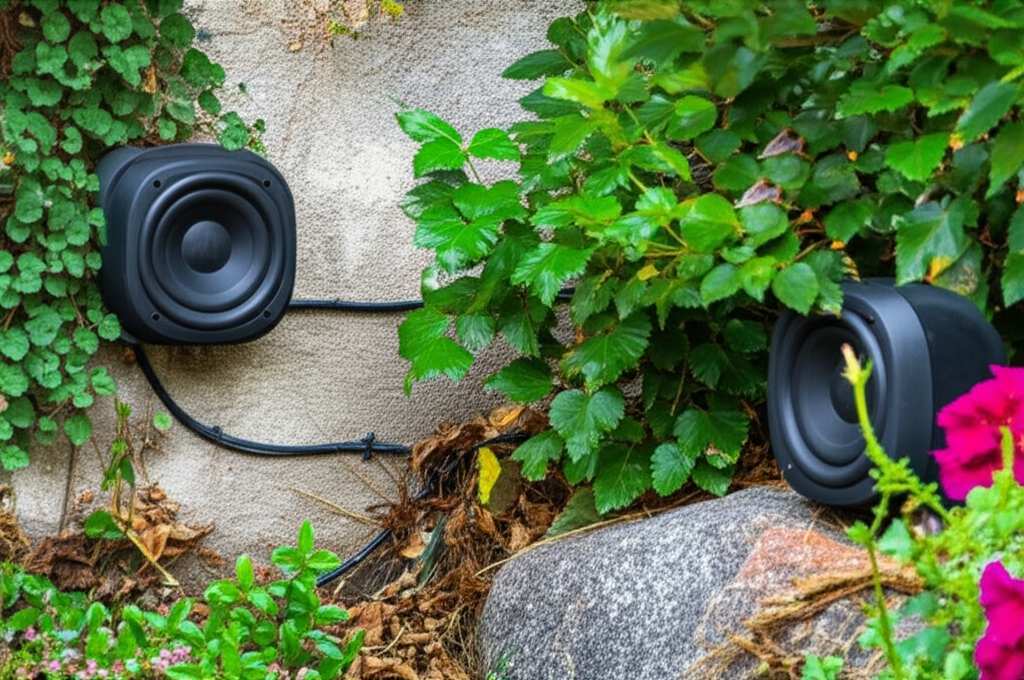
The type of speaker you have might influence how you run your cables. For instance, rock speakers often have their wires buried or cleverly routed to look like natural plant stems. Mountable speakers might have cables running up walls or along fences. Understanding your speaker type is the first step in planning your cable management.
And don’t forget the power source! Most passive outdoor speakers will need to be connected to an amplifier or receiver inside your home. This means your speaker wire needs to travel from your audio source to the speakers. Active speakers have their own power source, which might require a different approach to hiding their power cables.
The Super Simple Ways to Hide Speaker Cables
Okay, let’s get to the good stuff! Hiding those wires doesn’t have to be complicated or expensive. Here are some of the easiest and most effective methods to make your speaker cables vanish.
1. The “Under the Mulch” or “Under the Gravel” Trick
This is one of the most popular and effective methods for lawn or garden setups.
Dig a shallow trench: Use a shovel or a trowel to dig a shallow trench. You don’t need to go super deep, just a few inches is usually enough.
Lay the cable: Carefully lay your speaker wire into the trench. Make sure it lies flat and isn’t kinked.
Cover it up: Fill the trench back in with the soil you removed. Then, cover the area with mulch, gravel, or even sod if you’re feeling ambitious.
This method is fantastic because it’s virtually invisible. The mulch or gravel hides the wire completely, and it also helps protect the cable from UV rays and physical damage. It works best for wires running across lawns or garden beds.
2. Using Landscape Edging or Planters
If you have flower beds or garden borders, you can use them to your advantage!
Run cables along the edge: Lay your speaker wire along the inside edge of your landscape edging.
Tuck into planters: For a more permanent solution, run cables into decorative planters. You can drill a small hole in the back or bottom of the planter to feed the wire through, then conceal it with soil or decorative stones.
This is great for keeping wires contained and out of sight in specific garden areas. It’s a bit like giving your wires their own little hidden pathways.
3. The “Along the Fence Line” Approach
Fences are natural highways for cables!
Staple or clip along the bottom: Use outdoor-rated cable staples or UV-resistant zip ties to secure the speaker wire along the base of your fence.
Camouflage with plants: If your fence is lined with bushes or climbing plants, even better! Let the greenery do the work of hiding the wire.
This method is super straightforward and uses existing structures to your advantage. It keeps wires off the ground and out of sight.
4. Utilizing Outdoor-Rated Cable Covers and Raceways
For a more structured and protected approach, especially for patios or decks, cable covers are your best friend.
Choose the right type: Look for outdoor-rated, UV-resistant cable covers or raceways. These are designed to withstand the elements.
Mount them securely: Many come with adhesive backing or mounting holes. Secure them along walls, deck railings, or under eaves.
Feed the cables: Simply tuck your speaker wires into the raceway.
These are great for keeping cables tidy along walls or under deck structures. They offer a clean, professional look and excellent protection.
5. The “Under the Deck” or “Under the Patio” Hideaway
If you have a raised deck or a paver patio, there’s often hidden space underneath.
Run cables across joists or under pavers: You can often thread cables through the gaps between deck boards or carefully tuck them under the edges of pavers.
Secure and conceal: Use zip ties to keep them neat against deck joists. Under pavers, they’re usually hidden by the stones themselves.
This is a fantastic way to keep wires completely out of sight in these areas. Just be sure to secure them well so they don’t sag or get snagged.
6. Creative Camouflage: Rocks, Bark, and More!
Get a little creative with your landscaping!
Decorative rocks: Place larger decorative rocks or faux rocks strategically over cable runs.
Bark chips: A thick layer of bark chips can easily conceal wires in garden beds.
Artificial turf: If you have artificial turf, you can often bury wires just beneath the surface.
Think of these as natural hiding spots that blend right into your backyard’s design.
Advanced Techniques: Burying Cables Like a Pro
For a truly seamless look, burying speaker wire directly into the ground is the way to go. This requires a bit more effort but offers the most permanent and invisible solution.
How to Bury Speaker Wire
1. Plan Your Route: Map out exactly where your speaker wire needs to go from your amplifier/receiver to each speaker. Try to keep the run as straight as possible.
2. Choose the Right Wire: Use direct-burial speaker wire. This type is specifically designed to withstand being buried in the ground, resisting moisture and physical damage. Regular speaker wire won’t last long outdoors if buried.
3. Dig a Trench: For optimal protection, a trench about 6 to 12 inches deep is recommended. This depth protects the wire from shovels, lawnmowers, and frost heave.
4. Lay the Wire: Carefully unspool the direct-burial wire into the trench. Avoid sharp kinks or bends.
5. Backfill and Restore: Gently backfill the trench with the soil you removed. Tamp it down lightly. You can then re-seed the area if necessary or cover it with mulch.
Pro Tip: If you’re running wires across a pathway or driveway, consider using a conduit pipe buried under the surface. This adds an extra layer of protection for the wire.
Understanding Speaker Wire Types for Outdoor Use
Not all speaker wire is created equal, especially when it comes to outdoor applications. Using the wrong type can lead to poor sound quality or a shortened lifespan for your cables.
Here’s a quick rundown:
Standard Speaker Wire: This is your everyday indoor speaker wire. It’s usually made of copper and comes in various gauges (thickness). It’s generally not suitable for direct burial or prolonged outdoor exposure unless protected.
Direct-Burial Speaker Wire: This is the star for outdoor setups. It has a heavy-duty, weather-resistant jacket (often polyethylene) that protects the conductors from moisture, UV rays, and physical abrasion. It’s designed to be buried directly in the ground without conduit.
CL2/CL3 Rated Wire: These ratings indicate that the wire meets safety standards for in-wall or in-conduit installation. While not strictly outdoor-rated, CL2/CL3 wire can be a good choice if you’re running wires through walls or conduits to get them outside.
Gauge Matters: The thickness of the wire, measured in AWG (American Wire Gauge), is important. Thicker wires (lower AWG numbers, like 12 or 14 gauge) are better for longer runs as they resist signal loss more effectively. For most backyard setups, 14 or 16 gauge is usually sufficient, but if you have very long runs, consider 12 gauge.
Here’s a handy table to help you choose the right gauge for your speaker wire length:
| Wire Length (Feet) | 16 Gauge | 14 Gauge | 12 Gauge |
|---|---|---|---|
| 0-50 | Good | Excellent | Overkill |
| 50-100 | Fair | Good | Excellent |
| 100-150 | Poor | Fair | Good |
| 150-200 | Not Recommended | Poor | Fair |
When you’re looking at speaker wire, especially for outdoor use, always check the packaging for terms like “direct burial,” “weatherproof,” or “UV resistant.” This ensures your wire will stand up to the elements.
Clever Solutions for Specific Backyard Areas
Let’s think about some common backyard zones and how to tackle cables there.
Patios and Decks: Neat and Tidy
These areas often have hard surfaces, which can make cable running seem tricky. But there are great solutions!
Under Deck/Patio: As mentioned, the space beneath is your best friend. Secure wires to joists with zip ties.
Along Deck Railings: Use outdoor-rated raceways or simply run wires discreetly along the underside of the railing.
Across Pavers: You can often lift a few pavers to tuck wires underneath, or run them along the edge of the patio where it meets the lawn.
Around Furniture: Use low-profile cable covers or let mulch/gravel hide cables near planters that border the patio.
Garden Beds and Lawns: Natural Integration
This is where blending into nature works wonders.
Mulch and Gravel: Your go-to for garden beds. Dig a shallow trench, lay the wire, and cover. Easy!
Along Edging: Tuck wires neatly along the base of garden borders or landscape edging.
Through Flower Beds: Let your plants do the camouflage. Plant taller flowers or shrubs strategically over cable runs.
Lawn Runs: Burying is best here. A trench a few inches deep is usually enough to keep it out of sight and safe from lawn care.
Walls and Fences: Vertical Strategies
Utilizing vertical structures is smart for keeping things off the ground.
Fence Lines: Staple or clip wires along the bottom of the fence. If the fence is wooden, this is super easy.
Outdoor Walls: Use UV-resistant cable clips or raceways. You can run cables up from the ground, along the wall, and then down to your speakers.
Around Downspouts or Pipes: These are natural features that can help conceal cables running down walls.
Protecting Your Cables from the Elements
Your outdoor speaker cables are exposed to a lot: sun, rain, snow, and temperature changes. Protecting them is key to longevity and good sound.
Use Direct-Burial Wire: This is the most important step if you’re burying cables. It’s built tough for the job.
Opt for UV-Resistant Accessories: If you’re using cable clips, ties, or raceways, make sure they are rated for outdoor use and UV resistance. Regular plastic can become brittle and break down in the sun.
Avoid Sharp Bends: Kinks and sharp bends put stress on the wire, which can lead to breaks over time. Gentle curves are best.
Keep Connectors Dry: If you have any splices or connectors exposed to the elements, use waterproof junction boxes or special waterproof connectors designed for outdoor use. Most modern outdoor speakers have robust connections, but it’s good to be mindful.
Consider Conduit: For extra protection, especially in high-traffic areas or where cables might be at risk of damage, running wires through PVC conduit buried underground or mounted externally can provide a strong shield.
Quick Comparison: Cable Hiding Methods
Let’s put some of these popular methods side-by-side to help you choose.
| Method | Best For | Ease of Installation | Appearance | Cost |
|---|---|---|---|---|
| Under Mulch/Gravel | Lawns, garden beds | Easy | Excellent (invisible) | Low |
| Landscape Edging/Planters | Garden borders, specific zones | Easy | Very Good | Low to Medium |
| Fence Line | Along fences | Very Easy | Good | Very Low |
| Cable Covers/Raceways | Patios, decks, walls | Medium | Very Good to Excellent | Medium |
| Under Deck/Patio | Raised decks/patios | Medium | Excellent (hidden) | Low |
| Direct Burial | Lawn, garden paths | Harder (requires digging) | Excellent (invisible) | Low (plus wire cost) |
This table gives you a quick snapshot. For example, if you want the most invisible look on a lawn, direct burial or covering with mulch/gravel are your top picks. If you’re looking for something easy to install along a fence, that’s a clear winner for simplicity and appearance.
Frequently Asked Questions (FAQ)
Got more questions? I’ve got answers! Here are some common queries about hiding backyard speaker cables.
Q1: Can I just use any speaker wire outside?
It’s best not to! Regular indoor speaker wire isn’t designed to withstand outdoor conditions like moisture, UV rays, and temperature fluctuations. It can degrade quickly, leading to poor sound or complete failure. Always opt for direct-burial wire or at least wire that is specifically rated for outdoor use if it won’t be buried.
Q2: How deep do I need to bury speaker wire?
For most residential applications, a depth of 6 to 12 inches is recommended. This protects the wire from accidental damage by garden tools, pets, or even frost heave in colder climates. shallower depths might be okay for temporary setups or areas with very little foot traffic, but deeper is always safer.
Q3: What if I need to connect speakers on opposite sides of the yard?
This is a common scenario! You’ll need to run the wire from your amplifier to a central point or along a perimeter. The best way is often to bury the wire directly across the lawn or use conduit for protection if crossing high-traffic areas. Planning the route carefully to minimize exposed sections is key.
Q4: Can I use outdoor extension cords for speaker wire?
No, you absolutely shouldn’t. Speaker wire and extension cords are designed for different purposes and have different electrical properties. Using an extension cord for speaker signals can lead to poor sound quality, damage your amplifier, or even be a fire hazard. Always use proper speaker wire.
Q5: How do I make speaker wire connections waterproof?
If you need to make a connection outdoors, use waterproof wire nuts or specialized outdoor-rated splice kits. For a more robust solution, consider using a small, weatherproof junction box. Ensure all connections are secure and protected from direct rain or moisture.
Q6: Do I need a professional to bury speaker wire?
Not usually! Burying speaker wire is a DIY-friendly project. The main tools you’ll need are a shovel or trenching tool and the correct type of wire. As long as you plan your route and dig to a safe depth, you can achieve a professional-looking result yourself.
Q7: Can I run speaker wires under my patio stones?
Yes, if your patio is made of loose pavers or stones, you can often lift them carefully to tuck wires underneath. For concrete patios, this isn’t possible without significant work. If you have a concrete patio, consider running wires along the edge or using outdoor raceways.
Making Your Backyard Sound as Good as it Looks
So there you have it! Hiding those backyard speaker cables is totally achievable, and it makes a huge difference in the overall look and feel of your outdoor space. Whether you’re a fan of the “under the mulch” method for its invisibility, or you prefer the clean lines of outdoor raceways, there’s a solution that fits your yard and your style.
Remember, the goal is to enjoy amazing sound without the visual clutter. By using the right materials, like direct-burial wire, and employing some of these clever hiding techniques, you can create a backyard entertainment zone that’s both functional and beautiful. It’s all about making your tech work for you, blending seamlessly into your life and your surroundings.
Don’t let messy wires cramp your style or your sound! With a little planning and a few simple steps, you can achieve a clean, polished look that lets your music or movie audio truly shine. For more tips on outdoor tech and making your home smarter, be sure to check out resources like CNET’s home audio guides.
Now go enjoy amazing sound and make every moment louder and better!