To quickly free up space on your laptop, start by deleting unnecessary files, uninstalling unused programs, and utilizing built-in tools like disk cleanup. Regularly managing your storage helps boost performance and keeps your device running smoothly.
Clearing up space on your laptop doesn’t have to be complicated. With a few simple steps, you can reclaim valuable storage and keep your device running efficiently. In this article, I’ll share effective tips to help you identify and remove clutter, from deleting old files to using built-in tools. Whether you’re running out of space due to photos, downloads, or apps, these straightforward tricks will make your laptop feel like new again. So, let’s dive into easy ways to free up storage and give your device the breathing room it needs to perform at its best.

How to Free Up Space on Laptop: The Complete Guide
Understanding Why Your Laptop Gets Full
Your laptop can fill up quickly due to various reasons. Files, applications, and system updates all take up space over time. Knowing the main culprits helps you target what to delete or move.
Identify What’s Taking Up Space
Start by checking what uses the most storage. Use your system’s built-in tools like Disk Cleanup on Windows or Storage Management on Mac. This will give you a clear picture of large files and apps.
Check Storage with Built-in Tools
On Windows, open “Settings,” click on “System,” then “Storage.” Mac users can click on the Apple menu, select “About This Mac,” and then go to the “Storage” tab. These tools show the size of files and folders.
Find Large Files and Unnecessary Data
Look for videos, photos, or documents that are taking up lots of space. Delete duplicates or files you no longer need. Consider moving important files to an external drive or cloud storage.
Clear Temporary and Junk Files
Temporary files, cache, and log files pile up and waste space. Clearing these can free substantial storage without losing important data.
Use Disk Cleanup on Windows
Open “Disk Cleanup” by searching it in your start menu. Select the drive you want to clean and check the boxes next to the types of files to delete. Click “OK” to remove them.
Empty Cache and Browser Data
Browsers store cache that can grow large. Clear your browser’s cache and cookies regularly. This not only frees space but improves browser speed.
Remove Temporary Files on Mac
On Mac, you can use tools like “Manage Storage” in “About This Mac” or third-party apps to clear cache files and temporary data efficiently.
Uninstall Unused Applications
Apps and programs you no longer use can take up significant space. Uninstalling them is an easy way to free storage.
How to Uninstall on Windows
Go to “Settings,” then “Apps,” and select “Apps & Features.” Click on the app you want to remove and select “Uninstall.”
How to Uninstall on Mac
Drag the application from “Applications” folder to the Trash. Empty the Trash to fully delete it from your system.
Manage Your Downloads Folder
Your downloads folder often becomes cluttered with files you no longer need. Regularly review and delete unnecessary files.
Organize and Delete Files
Sort files by size or date to identify old or large downloads. Moving important files elsewhere keeps your downloads folder clean.
Utilize Cloud Storage Solutions
Storing files on cloud platforms like Google Drive, Dropbox, or OneDrive frees space on your laptop. It also allows access from multiple devices.
Benefits of Cloud Storage
Cloud storage is safe, accessible, and helps you keep your laptop’s local storage free. Plus, it’s easy to share large files with others.
How to Use Cloud Storage Effectively
Regularly upload files to the cloud and delete local copies to save space. Use synchronization tools to keep files updated across devices.
Compress Files and Folders
Compressing large files into ZIP or RAR formats reduces their size, saving valuable space. This is especially useful for archiving old projects.
How to Compress Files
Right-click on a file or folder, select “Compress” or “Create Archive,” and choose the format. You can then delete the original files if no longer needed.
Manage System Restore Files
System restore points can accumulate and use up space. Managing these points helps free storage without losing system safety.
Delete Old Restore Points
On Windows, go to “System Properties,” select “System Protection,” and click “Configure.” Use the “Delete” button to remove old restore points.
Disable Hibernation Mode
Hibernation files occupy significant space. Disabling hibernation can free up several gigabytes, especially on laptops with limited storage.
How to Disable Hibernation
Open Command Prompt as administrator. Type “powercfg -h off” and press Enter. This will remove the hibernation file and free space.
Use External Storage Devices
External drives, USB flash drives, or SD cards are great for storing large files. This keeps your laptop’s internal storage clean.
Benefits of External Storage
They provide portable, additional space and help prevent clutter. Regular backups to external devices protect your data from loss.
Implement Regular Maintenance Routine
Consistently cleaning your storage prevents buildup over time. Make it a habit to review and clear files monthly.
Tips for Maintaining Your Storage
Schedule weekly or monthly cleaning sessions. Use system tools and manual checks to keep your laptop running smoothly.
Advanced Tools and Software for Storage Management
Several third-party tools can automate cleaning and optimize space. Use trusted software that scans for unnecessary files.
Popular Cleaning Apps
Tools like CCleaner, CleanMyMac, or Disk Cleanup alternatives can analyze your system and suggest files to delete safely.
Benefits of Using Professional Software
These tools often find hidden junk files and duplicate files, making space management more efficient and less time-consuming.
Best Practices for Freeing Up Laptop Space
Follow a combination of these strategies regularly. Keep your files organized and only keep what you really need.
Quick Tips List
- Delete unnecessary files and duplicates
- Uninstall unused applications
- Clear cache and temporary files
- Utilize cloud storage and external devices
- Compress large files
- Manage restore points and hibernation settings
Freeing space on your laptop doesn’t have to be complicated. Regularly reviewing your files and using management tools helps keep your device running smoothly. A little routine maintenance can prevent storage issues and improve your overall experience.
Free Up Space on Your Computer
Frequently Asked Questions
What are some effective ways to delete unnecessary files from my laptop?
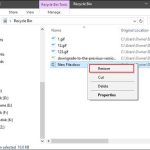
Start by reviewing your Downloads folder and removing files you no longer need. Use built-in storage management tools to identify large files and delete or move them to an external drive. Empty the recycle bin regularly to permanently delete deleted items, freeing up space. Consider uninstalling applications that you no longer use to recover significant storage.
How can I optimize my laptop’s storage through cloud services?
Upload photos, videos, and documents to cloud storage platforms like Google Drive or OneDrive. This approach frees local disk space and ensures your files stay accessible from any device. Enable synchronization options selectively to keep only essential files stored locally, reducing clutter on your laptop’s drive.
What steps should I take to organize my files for better space management?
Create dedicated folders for different types of files, such as work documents, media, and downloads. Regularly clean out old or duplicate files. Use file management software or built-in tools to identify duplicates and large files that can be deleted or moved elsewhere. This organization helps prevent unnecessary accumulation of data.
Can disabling or removing certain features or apps help free up space?
Yes, disabling bloatware or pre-installed apps that you don’t use can free up storage. Turn off features like offline mode in applications that you use sparingly. Also, clear cache data for browsers and apps to regain storage used temporarily. These simple steps can provide immediate space relief.
How do I identify which files are taking up the most space on my laptop?
Use storage analysis tools available in your operating system, like Disk Usage Analyzer on Windows or Finder’s ‘Get Info’ on Mac. These tools display a breakdown of data by size, allowing you to pinpoint large files and folders. Focus on cleaning or relocating these items to free up substantial space efficiently.
Final Thoughts
To free up space on your laptop, start by deleting unnecessary files and uninstalling unused programs. Use built-in storage tools to identify large files that take up valuable space. Consider moving media files to external drives or cloud storage to keep your laptop optimized. Regular maintenance helps improve performance and keeps your device running smoothly.