
For outdoor party speakers, aim for 50-150 watts for a backyard bash, and 200+ watts for larger gatherings or more bass. More watts mean louder sound and better performance, especially outdoors where sound can spread.
Hey there! Planning a get-together? Music is key to any good party, right? It gets people moving and sets the whole vibe. But choosing the right speakers can feel like a puzzle. You see all these numbers, like “watts,” and wonder what they really mean for your outdoor bash.
It’s totally normal to feel a bit confused. Tech specs can sound like a foreign language sometimes! But don’t worry, I’m here to break it down for you. We’ll figure out exactly how many watts you need so your music sounds awesome, whether it’s a chill backyard BBQ or a full-on dance party.
Think of watts as the “oomph” your speaker has. More oomph means louder sound and a richer experience. We’ll explore what that means for different party sizes and music styles. Ready to power up your next event? Let’s dive in and make your outdoor sound system the star of the show!
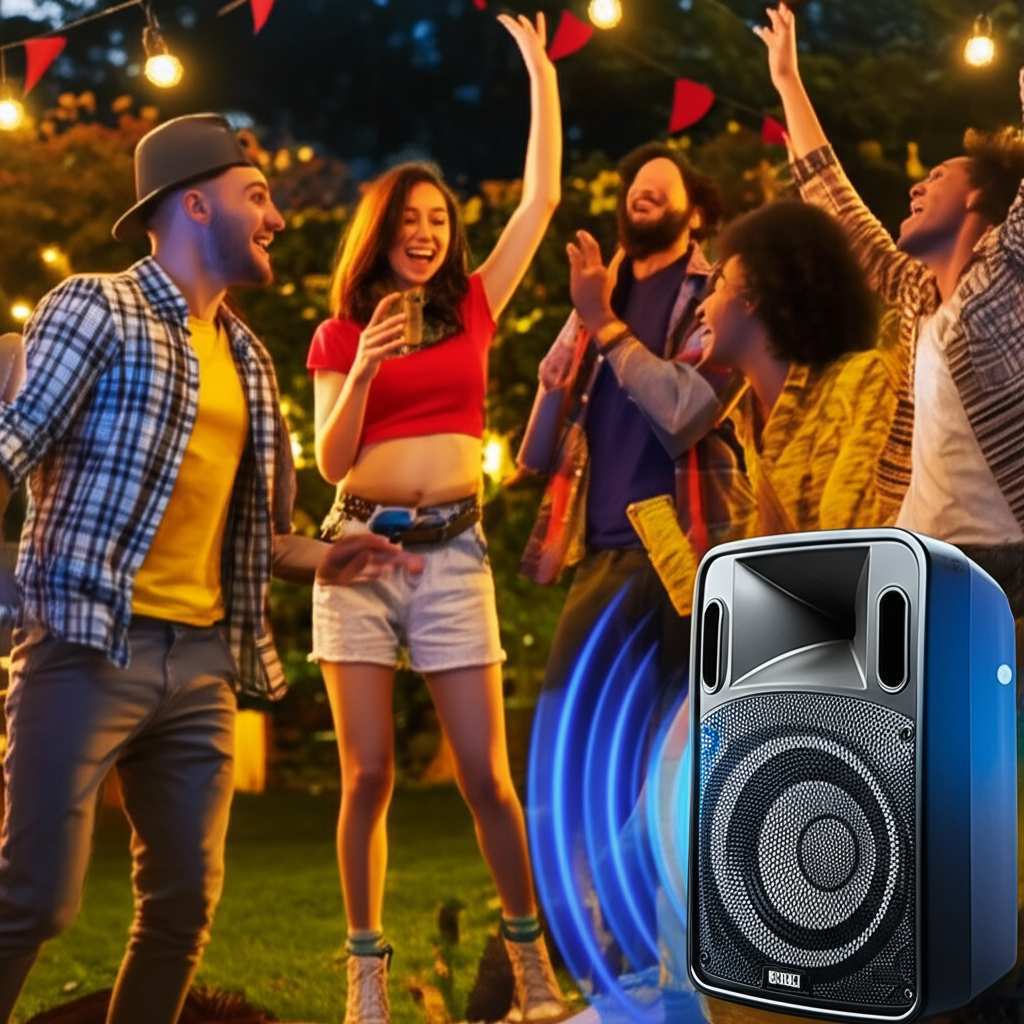
Let’s Talk About Sound: What Are Watts Anyway?
So, what exactly are watts when we talk about speakers? It’s a common question, and understanding it is the first step to getting the best sound for your outdoor parties. Watts are a measure of electrical power. For speakers, they tell you how much power the speaker can handle or how loudly it can potentially play sound.
Think of it like this: a higher wattage speaker can push more air, which translates to a louder and often clearer sound, especially at higher volumes. This is super important for outdoor settings because sound tends to spread out more in open spaces compared to a room. You need enough power to overcome background noise and fill your space with music.
The Wattage Workout: Matching Power to Your Party
Choosing the right wattage isn’t just about getting the loudest sound. It’s about getting the right sound for your specific needs. Too little, and your music will get lost. Too much, and you might be rattling windows (or annoying the neighbors!). Let’s break down what wattage range is best for different outdoor party scenarios.
Small Backyard Gatherings (20-50 Guests)
For a more intimate gathering in your backyard, like a casual BBQ or a relaxed get-together, you don’t need a stadium-level sound system. Speakers in the 50 to 150-watt range are usually perfect here. This is enough power to fill a typical backyard with clear, enjoyable music without being overwhelming.

You’ll get a good, solid sound that’s great for background music or singalongs. These speakers are often more portable and easier to set up, too. They offer a great balance of power and convenience for smaller crowds.
Medium-Sized Parties (50-100 Guests)
If you’re expecting a bigger crowd, perhaps for a birthday party or a summer get-together with lots of friends, you’ll want to step up the power. For this size party, speakers in the 150 to 300-watt range are a good sweet spot. This gives you more headroom to play music louder and with more bass.
This wattage is great for keeping the energy up and ensuring everyone can hear the music, even if there’s a lot of chatter. It’s enough to make your backyard feel like a cool outdoor lounge or a mini dance floor.
Large Events & Dance Parties (100+ Guests)
For truly large events, like a big neighborhood block party, an outdoor wedding reception, or a serious dance party where you want to feel the bass, you’ll need serious power. We’re talking 300 watts and well beyond, often recommending multiple speakers working together. This is where professional-grade or high-powered consumer speakers come into play.
These setups are designed to deliver robust, room-filling (or in this case, yard-filling) sound with deep bass that you can feel. If you want your party to have that concert-like atmosphere, you’ll need to invest in higher wattage systems.
Understanding Speaker Power: RMS vs. Peak Wattage
Here’s a little tech secret that can save you from confusion: not all “watts” are created equal! You’ll often see two numbers listed for wattage: RMS and Peak. It’s important to know the difference.
RMS Wattage: This is the important one for everyday listening. RMS stands for Root Mean Square. It tells you the continuous power the speaker can handle without getting damaged. Think of this as the speaker’s “steady effort.”
Peak Wattage: This is the maximum power the speaker can handle for very short bursts. It’s like a quick sprint. While it sounds impressive, it’s not a reliable indicator of how well the speaker will perform during your entire party. Always look at the RMS wattage for a true understanding of power.
Speaker Wattage Comparison (RMS)
Here’s a quick look at how RMS wattage can translate to different party sizes. Remember, these are general guidelines!
| Party Size/Setting | Recommended RMS Wattage (Per Speaker) | Typical Use Case |
|---|---|---|
| Small Backyard / Patio (20-50 people) | 50 – 150 Watts | Background music, relaxed atmosphere, conversation-friendly volume. |
| Medium Backyard / Event (50-100 people) | 150 – 300 Watts | Lively music, dancing, energetic atmosphere, overcoming moderate background noise. |
| Large Outdoor Event / Dance Party (100+ people) | 300+ Watts (often multiple speakers) | Concert-like volume, deep bass, filling large open spaces, high-energy dance music. |
When you’re shopping, always try to find the RMS wattage. It gives you a much clearer picture of the speaker’s actual sound power. A speaker with 100 watts RMS will generally perform much better and more consistently than a speaker that boasts 300 watts peak but only 50 watts RMS.
More Than Just Watts: Other Factors to Consider
While wattage is a big deal, it’s not the only thing that makes a great outdoor party speaker. Lots of other features can make a big difference in your listening experience. Let’s look at some other key things to keep an eye out for.
Sound Quality & Clarity
Even with a lot of watts, if the sound is tinny or distorted, your party won’t be as enjoyable. Look for speakers that are known for good sound quality. Many brands offer detailed reviews or even sound demos online. Listen for clear highs, defined mids, and satisfying bass.
Portability and Durability
Outdoor parties mean speakers might get moved around, exposed to different weather, or even bumped. Many portable party speakers are designed with this in mind. Look for features like rugged casing, water resistance (check the IP rating!), and sturdy handles.
Battery Life
If you’re not near a power outlet, a long-lasting battery is crucial. For all-day parties, you’ll want a speaker that can keep the music going for 8 hours or more on a single charge. Some speakers even have power banks to charge your phone!
Connectivity Options
How will you play your music? Bluetooth is super common and convenient. But some speakers also offer Wi-Fi for better streaming, AUX inputs for wired connections, or even USB ports for playing music directly from a drive. Having multiple options gives you flexibility.
Bass Response
For outdoor parties, especially if you love dancing, good bass is a must. Speakers with larger woofers (the part that produces bass) or dedicated bass radiators often deliver a more impactful low-end sound. Watts contribute to bass, but the speaker’s design plays a huge role too.
Stereo Pairing
Want an even bigger sound? Many speakers can be paired with another identical speaker to create a true stereo sound experience. This fills your space with richer, more immersive audio. It’s like having a concert sound system!
How to Pick the Right Speaker for You: A Quick Guide
Ready to make a choice? Here’s a simple way to think about picking your perfect outdoor party speaker.
Step 1: Assess Your Party Needs
How many people usually come? This is your biggest clue for wattage.
What kind of music do you play? Do you need deep bass for EDM, or is clear vocals for folk music more important?
Where will you be playing it? A small, quiet backyard is different from a park or a beach.
Step 2: Set Your Budget
Outdoor party speakers range from under $100 to over $1000. Decide what you’re comfortable spending. Higher wattage and premium features usually come with a higher price tag.
Step 3: Read Reviews and Compare
Once you have a few options in mind, dive into reviews. Look for real-world feedback on sound quality, battery life, and durability. Websites like CNET or TechRadar often have great comparison articles.
Step 4: Consider Portability and Power Source
Do you need to carry it far? Is there an outlet nearby? Make sure the speaker’s design fits your typical party locations.
Step 5: Don’t Be Afraid to Go Bigger (Slightly)
* It’s often better to have a little more power than you need. You can always turn the volume down, but you can’t magically create more power if your speaker is struggling.
Making Sense of Speaker Specs: A Handy Chart
To help you quickly compare, here’s a look at how different wattages might feel in a real-world outdoor setting.
| Speaker Wattage (RMS) | Sound Level (Approx.) | Best For | Example Use |
|---|---|---|---|
| 30-50 Watts | Conversation level, fills a small area | Background music for very small patios or decks. | A quiet morning coffee on the balcony. |
| 50-150 Watts | Lively music, can be heard clearly over light chatter | Small backyard BBQs, casual gatherings (20-50 people). | Sunday afternoon family reunion. |
| 150-300 Watts | Energetic, danceable, good for moderate crowds | Medium-sized parties, outdoor dinners, light dancing (50-100 people). | A lively birthday party with friends. |
| 300+ Watts | Loud, impactful bass, concert-like volume | Large events, serious dance parties, outdoor festivals (100+ people). | A summer evening dance party under the stars. |
This chart gives you a visual way to see how wattage relates to your party’s atmosphere. Remember, sound level can also depend on speaker efficiency, room acoustics (even outdoors!), and how the sound waves travel. But wattage is your primary tool for gauging potential loudness and power.
Real-World Wattage Examples: What to Look For
Let’s imagine you’re at a store or browsing online. You see a speaker advertised with “200 Watts Max Power.” What does that mean? If they don’t list RMS, it’s probably just peak power. This speaker might only put out around 50-100 watts RMS, making it great for smaller gatherings.
On the other hand, a speaker listed as “150 Watts RMS” is a solid choice for medium-sized parties. It will consistently deliver good sound. If you see a powerful system boasting “500 Watts Total System Power,” and it’s made of two 250-watt RMS speakers, that’s a fantastic setup for larger events.
The key is to find that RMS number. It’s the honest measure of consistent power. Don’t get swayed by those huge “peak” numbers if the RMS is low.
Tips for Maximizing Your Outdoor Speaker Power
Even with the right wattage, you can do a few things to make your outdoor sound system perform its best.
- Placement is Key: Don’t hide your speakers behind bushes! Place them in open areas where sound can travel. Elevating them slightly can also help.
- Consider the Environment: Hard surfaces like walls or fences can reflect sound, making it seem louder. Soft surfaces like grass or curtains absorb sound.
- Pair Up for Stereo: If your speakers support stereo pairing, use it! Two speakers working together create a fuller, more immersive sound experience.
- Manage Background Noise: If there’s a lot of ambient noise (wind, traffic, other parties), you might need slightly more wattage or to position your speakers strategically.
- Keep Them Charged: If you’re using battery-powered speakers, ensure they are fully charged before the party starts. A mid-party sound outage is a party buzzkill!
When More Watts Isn’t Always Better
While watts are important, remember they’re just one piece of the puzzle. A super high-wattage speaker might be overkill for your needs. It could be more expensive, heavier, and harder to move.
Also, extremely loud music can sometimes drown out conversations and make your party less enjoyable for some guests. It’s all about finding that sweet spot for your specific event and audience. Sometimes, a well-designed speaker with moderate wattage can sound better than a poorly designed one with high wattage.
Frequently Asked Questions About Outdoor Party Speaker Watts
Got more questions swirling around? That’s totally fine! Here are some quick answers to common beginner queries.
Q1: Do I really need a lot of watts for a small backyard party?
A1: Not usually! For a small gathering of 20-50 people in a backyard, 50-150 watts RMS is typically plenty. It’s enough to fill the space with music without being too loud for conversation.
Q2: What’s the difference between a “party speaker” and a regular Bluetooth speaker?
A2: Party speakers are generally designed to be louder, have better bass, and often include features like lights, microphone inputs, or rugged, water-resistant designs for outdoor use. They usually have higher wattage than standard portable Bluetooth speakers.
Q3: Can I use my indoor home stereo speakers outside?
A3: It’s generally not recommended. Indoor speakers aren’t built to withstand outdoor elements like moisture, temperature changes, or direct sunlight, which can damage them. Plus, they might not be powerful enough to overcome outdoor noise.
Q4: How loud is 100 watts?
A4: 100 watts RMS can be quite loud! It’s usually enough to fill a medium-sized backyard with music at a lively volume. Think of it as being able to clearly hear your music over ambient noise like kids playing or a lawnmower in the distance (though you’d want to turn the mower off for the music!).
Q5: Is it better to have one big speaker or two smaller ones?
A5: For outdoor parties, two smaller-to-medium sized speakers (e.g., two 100-watt speakers for a total of 200 watts) often provide a better listening experience than one single large speaker. They can be placed for better sound coverage and offer true stereo sound if paired.
Q6: What does “IPX rating” mean for outdoor speakers?
A6: The IPX rating tells you how resistant a speaker is to water. For example, an IPX7 rating means the speaker can be submerged in water up to 1 meter for 30 minutes! Look for IPX4 or higher for splash resistance, which is great for poolside parties.
Q7: How many watts do I need for a large outdoor event with dancing?
A7: For a large event with dancing (100+ people), you’ll likely want a system with at least 300-500 watts RMS or more, possibly spread across multiple speakers. This ensures the bass is deep and the overall volume is high enough to energize a crowd.
Powering Up Your Party: The Final Word
So, there you have it! Understanding speaker wattage for your outdoor parties is all about matching the power to the size and energy of your event. For a chill backyard vibe, 50-150 watts RMS is usually your friend. Amp it up to 150-300 watts for lively gatherings, and for those epic dance parties where you want to feel the beat, aim for 300 watts and beyond.
Remember to always look for the RMS wattage – that’s your true measure of consistent power. And don’t forget that other features like sound quality, durability, and battery life play a huge role in creating an awesome party atmosphere. By considering these factors, you’ll be well on your way to choosing the perfect speakers.
Now you’re equipped with the knowledge to make an informed decision. No more guesswork, just great sound! Go ahead, crank up the tunes, and make your next outdoor celebration unforgettable. Now go enjoy amazing sound and make every moment louder and better!


