Not all laptops allow hardware upgrades. Some are built to be upgradable, others are not.
Understanding whether your laptop can be upgraded is crucial. It can impact performance, extend the device’s life, and save money. Laptops vary greatly in their upgrade options. Some models let you upgrade RAM or storage easily. Others have components soldered in place, making upgrades impossible.
Knowing the difference can help you make better buying decisions. It ensures your laptop meets future needs. In this post, we’ll explore which laptops allow upgrades and which do not. We’ll also discuss why some manufacturers limit upgrade options. This knowledge will help you choose the right laptop for your needs. Stay tuned to learn more.
Introduction To Laptop Hardware Upgrades
Not all laptops allow hardware upgrades. Upgradability is very important. It extends the lifespan of your device. It also improves performance without buying a new laptop.
Upgrading a laptop can be tricky. Some models are easy to upgrade. Others are not. Always check your laptop’s manual first.
Upgradable laptops save money. You don’t need a new laptop often. Better performance means smooth usage. More storage can be added too. This is good for storing more files.
Upgrading also means you can use the latest hardware. This keeps your laptop up-to-date. It’s great for work or school.
| Component | Why Upgrade? |
|---|---|
| RAM | Improves multitasking |
| Storage (SSD/HDD) | More space and faster speed |
| Battery | Longer usage time |
| Wi-Fi Card | Better internet connection |

Credit: www.facebook.com
Types Of Laptops And Their Upgradability
Traditional laptops often allow hardware upgrades. You can usually upgrade RAM and storage. This makes them more flexible. You can extend their life by upgrading parts. Many models have easy-to-access compartments. You might need a screwdriver to open them. Check the manual for instructions. Not all parts can be upgraded. CPUs and GPUs are often soldered in place. Older models might be more upgradable.
Ultrabooks and thin models have limited upgradability. They focus on portability and design. Most parts are non-replaceable. RAM is often soldered to the motherboard. Storage may be upgradable in some models. Check the specifications before buying. Thin designs limit space for upgrades. You might need special tools to open them. These laptops are usually more compact. Upgrades can be difficult or impossible. Consider your needs before buying. Choose a model that fits your future plans.
Manufacturer Policies On Upgrades
Different brands have different policies on hardware upgrades. Dell often allows RAM and storage upgrades. HP also provides options for upgrading RAM and hard drives. Lenovo offers easy access to memory and storage in many models.
Apple is more restrictive. Most MacBooks have soldered components. This means you can’t upgrade RAM or storage. Some brands like Asus offer a mix. Check the model for upgrade options before buying.
Upgrading hardware can affect your warranty. Some brands will void the warranty if you open the laptop. Dell and HP often allow upgrades without voiding warranty. But you must use approved parts. Always check the warranty terms before upgrading.
Apple is strict. Opening a MacBook usually voids the warranty. Always think about the risk to your warranty. Weigh the benefits of upgrades against this risk.
Credit: www.easeus.com
Commonly Upgradable Laptop Components
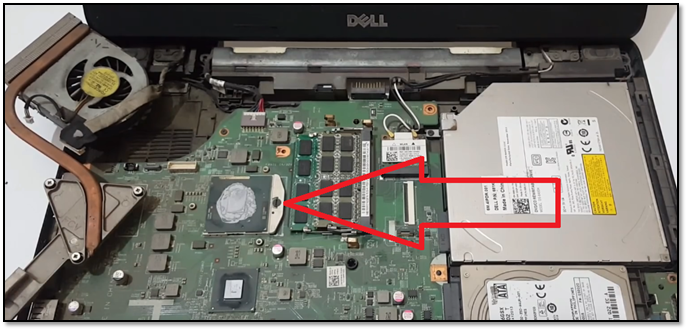
Upgrading RAM can make a laptop faster. More RAM helps in running many programs at once. Old laptops often have less RAM. Adding more RAM can be easy. Some laptops have slots for extra RAM. These slots are inside the laptop. Check your laptop’s manual for guidance. Use the right kind of RAM. Different laptops need different RAM types. Be careful while opening the laptop. Static electricity can harm the parts. Use an anti-static wristband.
Laptops have storage drives for saving files. Many laptops allow changing these drives. Solid State Drives (SSDs) are faster than old drives. SSDs can make your laptop quick. Some laptops have a slot for an extra drive. Check your laptop’s manual for this. Make sure the new drive fits. Use the right tools to open the laptop. Backup your data before changing drives. Move the old files to the new drive. Follow safety rules while working inside the laptop.
Challenges In Upgrading Laptops
Many laptops have parts that are hard to upgrade. RAM and storage might be easier, but other parts can be tricky. Motherboards and processors often have unique designs. This makes it hard to find compatible parts. Some laptops only work with specific brands or models.
Upgrading a laptop needs some technical skills. One must know how to open the laptop without breaking it. Connecting parts correctly is also key. Simple mistakes can damage the laptop. Basic tools like screwdrivers and anti-static wristbands are useful. Watching tutorials can help, but practice makes perfect.

Credit: gamerant.com
Tools And Resources For Diy Upgrades
Some laptops allow hardware upgrades, while others do not. Understanding your laptop’s specifications helps determine upgrade options. Tools and resources make DIY upgrades easier and more accessible.
Essential Tools
Upgrading a laptop needs some basic tools. A screwdriver set is crucial. Make sure it fits small screws. A plastic spudger is helpful. It safely opens cases without damage. Antistatic wrist straps are needed too. They protect parts from static electricity.
Thermal paste is useful for CPU upgrades. It helps keep the CPU cool. Tweezers can be handy too. They help with small parts and cables.
Reliable Online Resources
Online guides are very helpful. Websites like iFixit offer step-by-step instructions. They have pictures and videos. Forums can provide advice. Users share their experiences and tips. YouTube is another great source. Many channels show upgrade tutorials.
Manufacturer websites are useful too. They have manuals and support documents. Always check for laptop-specific instructions. Each model is different.
Professional Upgrade Services
Some laptops are hard to upgrade. Small parts and tight spaces make it tricky. A professional can help. They have the right tools and skills. If you feel unsure, it’s wise to seek help. This avoids damage to your laptop. Professionals can also advise on the best upgrades. This ensures you get the most value.
Upgrading your laptop can be costly. Think about the benefits. Will the upgrade make your laptop much faster? Or is it cheaper to buy a new one? List the costs of parts and labor. Compare this with the price of a new laptop. Sometimes, the upgrade is worth it. Other times, it’s not. Consider your needs and budget.
Future Trends In Laptop Upgradability
Modular laptop designs are gaining attention. These laptops let users upgrade parts easily. Swappable components like RAM and storage are common. Some laptops may even allow CPU and GPU upgrades. This makes them cost-effective and eco-friendly. Users can keep their devices updated without buying a new one.
The industry predicts more brands will adopt modular designs. Standardized parts could become the norm. This helps users mix and match components. It also makes repairs simpler. More modular options may appear in mid-range models. This trend can make laptops last longer. It also reduces electronic waste.
Frequently Asked Questions
Can All Laptops Be Upgraded?
Not all laptops can be upgraded. Some models have soldered components. Always check the specifications before purchasing a laptop.
Which Laptop Parts Can Be Upgraded?
Commonly upgradeable parts include RAM and storage. Some laptops may also allow GPU or CPU upgrades, but this is rare.
How Do I Know If My Laptop Is Upgradeable?
Check the manufacturer’s manual or website. Look for details on which components are accessible and replaceable.
Are Gaming Laptops More Upgradeable?
Gaming laptops are often more upgradeable. They tend to have accessible RAM and storage slots. Always check the specifications.
Conclusion
Not all laptops allow hardware upgrades. Some have fixed parts. Others offer flexibility. Before buying, check upgrade options. Think about your future needs. Upgradable laptops can be more cost-effective long term. Research models carefully. Ensure compatibility with your desired upgrades.
Make an informed decision. This ensures your laptop meets your evolving needs. Happy computing!