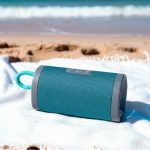
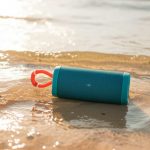
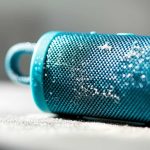
Yes, many outdoor sound boxes are designed to handle dust and sand, but it depends heavily on their build quality and specific IP rating. Look for high IP ratings like IP67 or IP68 to ensure robust protection. This guide will help you understand what to look for to keep your audio gear sounding great, even in dusty environments.
Planning an epic outdoor adventure, a backyard party, or just want to bring some tunes to your campsite? Great! Music really amplifies the experience, doesn’t it? But then the question pops up: “Can my outdoor sound box handle all the elements?” Specifically, you might be wondering, can outdoor sound boxes handle dust and sand? It’s a totally valid concern, especially if you’re heading to the beach, a dusty trail, or even just a windy backyard.
We all love to blast our favorite playlists, but the thought of tiny sand grains or persistent dust getting into the delicate workings of our speakers can be a real mood killer. Nobody wants their crisp audio to turn into a muffled mess because of a little grit. So, let’s dive in and figure out what makes an outdoor sound box resilient and what you should look for to ensure your audio gear stays in top shape, no matter the environment.
## Understanding Outdoor Sound Box Durability: What You Need to Know
When we talk about outdoor sound boxes and their ability to withstand the elements, especially dust and sand, we’re really talking about their ruggedness and how they’re engineered. It’s not just about a brand name; it’s about the specifications and design choices that go into making a device ready for the great outdoors.
### The Importance of IP Ratings
The single most important factor when considering an outdoor sound box’s resistance to dust and sand is its Ingress Protection (IP) rating. This isn’t just some random number; it’s a standardized system that tells you exactly how well a device is protected against solid objects (like dust and sand) and liquids (like water).
The IP rating consists of two digits. The first digit refers to the protection against solid objects, and the second digit refers to protection against liquids. For dust and sand, we’re primarily interested in that first digit.
* First Digit (Solids):
* 0: No protection.
* 1: Protected against large solid objects (e.g., hands).
* 2: Protected against medium solid objects (e.g., fingers).
* 3: Protected against small solid objects (e.g., tools).
* 4: Protected against small solid objects (e.g., wires).
* 5: Dust protected. Ingress of dust is not entirely prevented but it does not interfere with the normal operation of the device. This is often referred to as “dust-resistant.”
* 6: Dust tight. No ingress of dust whatsoever. This is the highest level of dust protection and is often considered “dustproof.”
So, when you see an IP rating like IP65, the ‘6’ tells you it’s dust-tight. If you see IP57, the ‘5’ means it’s dust-protected but not entirely sealed against ingress.
### What the First Digit Means for Dust and Sand
As you can see, the ‘6’ in the first digit is your golden ticket for dust and sand protection.
* **IP6X Ratings:** Any rating starting with a ‘6’ (like IP65, IP66, IP67, IP68) means the device is essentially dust-tight. This means no dust or sand particles should be able to enter the enclosure, regardless of how fine they are. This is the level of protection you want for serious outdoor use.
* **IP5X Ratings:** A rating like IP55 means the device is dust-protected. While dust might not enter in harmful quantities, it’s not completely sealed. For lighter dust exposure, this might be sufficient, but for beaches or deserts, it’s better to aim higher.
It’s important to remember that “dustproof” is a very high standard, and many devices marketed as such are technically “dust-resistant.” However, for most practical outdoor scenarios, an IP6X rating provides excellent protection. If you’re heading to the beach, an IP67 or IP68 rating is your best bet, as it often implies water resistance too, which is a common companion to sandy environments.
## Design and Engineering for Dust Resistance
Beyond the official IP rating, the physical design and engineering of an outdoor sound box play a significant role in its ability to handle dust and sand. Manufacturers put a lot of thought into how to seal these devices effectively.
### Sealed Enclosures and Port Protection
A well-designed outdoor sound box will have a robust, sealed enclosure. This means that all seams, joints, and openings are meticulously sealed to prevent ingress of foreign particles.
* **Speaker Grilles:** The grilles that protect the speaker drivers are often designed with fine mesh or specialized membranes that allow sound to pass through but block out larger particles like sand.
* **Ports:** Any ports, such as bass ports or charging ports, are a potential weak point. Look for sound boxes with rubberized port covers or ports that are cleverly integrated into the sealed design. For charging ports (like USB or power inputs), a tight-fitting rubber plug is essential.
* **Buttons and Controls:** Even buttons can be a gateway for dust. Many ruggedized speakers use sealed button membranes or very tight-fitting physical buttons to keep dust out.
### Material Choices
The materials used in the construction of an outdoor sound box also contribute to its durability. Many rugged speakers are made from tough, impact-resistant plastics, reinforced rubber, and sometimes even metal components that can withstand abrasive sand particles without damage. These materials not only offer protection against physical impact but also contribute to the overall sealing of the unit.
## Testing and Certification: How We Know They Work
You might wonder how manufacturers prove their outdoor sound boxes can handle dust and sand. This is where rigorous testing and certification come into play.
### The Role of Third-Party Testing
IP ratings are typically determined through standardized testing procedures conducted by independent laboratories or by the manufacturers themselves following strict guidelines. These tests involve exposing the device to controlled amounts of dust or fine sand under vacuum or airflow conditions for a specified period. If the device passes these tests without compromising its functionality or safety, it earns its respective IP rating.
### What to Look for in Product Specifications
When you’re shopping for an outdoor sound box, don’t just rely on marketing buzzwords. Always check the detailed product specifications for the IP rating. You’ll usually find this information in the product description, manual, or on the manufacturer’s website. A clearly stated IP rating is a strong indicator of the manufacturer’s commitment to durability.
## Practical Tips for Using Outdoor Sound Boxes in Dusty Environments
Even the most rugged outdoor sound box can benefit from a little extra care, especially when you’re actively using it in dusty or sandy conditions. Here are some practical tips to help you keep your audio gear in top shape:
### Before You Go: Choose Wisely
* **Prioritize IP Ratings:** As we’ve discussed, aim for an IP6X rating. If you’re going to be in very sandy areas, like the beach, check if the rating specifically mentions sand resistance, and ideally, look for IP67 or IP68 for added protection.
* **Consider Speaker Size and Portability:** While larger speakers might offer better sound, smaller, more compact models can sometimes be easier to protect.
* **Read Reviews:** See what other users say about how well a particular model handles dust and sand. Real-world experiences can be invaluable.
### During Use: Be Mindful
* **Avoid Direct Spray:** While rated for dust, avoid deliberately spraying sand or blowing dust directly into ports or grilles.
* **Positioning Matters:** Try to place your sound box on a stable surface that isn’t directly in the path of blowing dust or sand. If possible, use a small stand or prop it up to keep it off the ground.
* **Keep Lids and Plugs Closed:** Ensure all port covers and charging port plugs are securely closed when not in use.
* **Protect from Windblown Sand:** If it’s very windy and sandy, consider placing the speaker in a slightly sheltered spot.
### After Use: Cleaning is Crucial
* **Gentle Wiping:** After exposing your sound box to dust or sand, use a soft, dry microfiber cloth to gently wipe down the exterior. Avoid using abrasive materials that could scratch the surface.
* **Dealing with Grilles:** If you notice dust or sand accumulating in the speaker grilles, you can try using a can of compressed air to gently blow it out. Hold the can upright and spray from a distance to avoid damaging the delicate mesh. Be sure to do this in a well-ventilated area.
* **Damp Cloth (Carefully):** If there are stubborn marks, you can use a slightly damp cloth (not wet!) to wipe the exterior. Make sure the sound box is completely dry before powering it on.
* **Check Ports:** After cleaning, give the ports a quick visual inspection to ensure no debris is lodged inside.
Remember, even with the best protection, a little bit of care goes a long way. Regularly cleaning your outdoor sound box will help maintain its appearance and, more importantly, its performance and longevity. For more on general outdoor use, you might find it helpful to understand how they handle dust and rain.
## Can Outdoor Sound Boxes Handle Sand Specifically?
This is where we get down to the nitty-gritty. Sand, especially fine beach sand, can be particularly insidious. It’s abrasive, gets everywhere, and can easily find its way into tiny openings. So, can outdoor sound boxes handle sand?
The short answer is: **some can, and many are designed to.**
### The Role of IP6X
An IP6X rating is your best defense against sand. The ‘6’ means it’s dust-tight, and by extension, should also be sand-tight. This means the enclosure is sealed well enough that even fine sand particles cannot penetrate.
### Beach Use Considerations
When thinking about beach use, you’re often dealing with not just sand but also salt air and moisture. So, while a speaker might be IP67 rated (dust-tight and protected against immersion in water up to 1 meter for 30 minutes), the salt content in the air and water can still be corrosive over time. For extreme beach environments, look for speakers specifically designed with salt-air resistance in mind, or be extra diligent with cleaning. Some sources suggest that even speakers designed for beach use might degrade over time due to salt, so regular rinsing and drying are key. If you’re particularly concerned about the beach, you might want to research which speakers are best for sand and sun.
### Desert Conditions
Deserts present a similar challenge with fine, pervasive dust. The same principles apply: an IP6X rating is paramount. The abrasive nature of sand and dust means that moving parts, if any are exposed, can wear down faster. This is why sealed designs are so important.
## What About Older or Cheaper Models?
It’s important to manage expectations. Older models or very budget-friendly sound boxes might not have robust IP ratings. If your speaker doesn’t explicitly state an IP rating, or if it has a low rating (like IPX4 or lower), it’s likely not designed to handle significant dust or sand exposure.
### Limited Protection
These speakers might offer some basic splash resistance but are not built to withstand particle ingress. Dust and sand could easily enter through speaker grilles, button gaps, or any unsealed ports, leading to compromised sound quality or even permanent damage. In such cases, it’s best to use them in controlled environments and keep them far away from dusty or sandy areas.
### Investing in Durability
If you frequently find yourself in environments where dust and sand are a concern, investing in a speaker with a high IP rating is a worthwhile expenditure. The peace of mind and extended lifespan of the product often justify the initial cost. Think about it as protecting your investment in good sound quality for all your outdoor adventures.
## Conclusion: Can Outdoor Sound Boxes Handle Dust and Sand? Yes, With the Right Specs!
So, can outdoor sound boxes handle dust and sand? The answer is a resounding **yes, provided they are designed for it.** The key lies in understanding the specifications, particularly the IP rating.
When you’re looking for a sound box that can accompany you on your dusty trails, sandy beaches, or windy patios, always prioritize an IP rating that signifies dust protection. An IP6X rating, especially IP67 or IP68, is your best bet for complete confidence. These ratings indicate that the device is either dust-protected or, even better, dust-tight, meaning that fine particles simply cannot get in to disrupt your music.
Beyond the rating, consider the speaker’s build quality. Sealed enclosures, protective grilles, and well-covered ports are all essential components of a truly dust-and-sand-resistant speaker. And remember, even the most robust speaker benefits from a little TLC. A quick wipe-down after use and keeping ports covered will go a long way in ensuring your outdoor sound box remains your trusty audio companion for countless adventures. Happy listening, no matter where your journey takes you!
- IP Ratings are Crucial: The International Protection (IP) rating is the most important indicator of how well an outdoor sound box will handle dust and sand. Look for IP ratings that specifically mention dust ingress protection (the first digit).
- “Dustproof” vs. “Dust-Resistant”: True “dustproof” is rare. Most devices are “dust-resistant,” meaning dust ingress is prevented for a certain amount of time or under specific conditions.
- High IP Ratings Offer Best Protection: An IP6X rating, particularly IP65, IP66, IP67, or IP68, is ideal for outdoor use where dust and sand are concerns. The ‘6’ signifies complete dust protection.
- Sealed Enclosures Matter: The physical design of the sound box plays a vital role. Well-sealed ports, grilles, and button areas are essential for preventing fine particles from entering.
- Consider Specific Use Cases: If you’ll be in extremely dusty areas like deserts or construction sites, you’ll need a more ruggedized unit than someone using it at a beach picnic.
- Maintenance is Key: Even with a good IP rating, regular cleaning and inspection will help ensure your outdoor sound box continues to perform well in dusty conditions.
Frequently Asked Questions
What does an IP rating mean for dust and sand resistance?
An IP rating, specifically the first digit, tells you how well a device is protected against solid objects like dust and sand. A ‘6’ in the first digit, like in IP67, signifies that the device is dust-tight, meaning no dust or sand can enter the enclosure.
Are all outdoor speakers dustproof?
No, not all outdoor speakers are dustproof. Many are “dust-resistant,” which means dust ingress is limited and doesn’t interfere with operation. Only speakers with an IP6X rating are considered truly dust-tight.
How can I tell if my sound box can handle sand?
Check the product’s IP rating. An IP rating of IP65, IP66, IP67, or IP68 indicates significant protection against dust and sand. If no IP rating is listed, assume it has minimal protection.
What should I do if my sound box gets sand on it?
Gently wipe off loose sand with a soft, dry microfiber cloth. For stubborn dust or sand in grilles, use compressed air from a distance or a very soft brush. Ensure the speaker is dry before use.
Can I use a sound box with a low IP rating at the beach?
It is not recommended to use a sound box with a low IP rating (e.g., below IP55) at the beach. Sand is very fine and abrasive and can easily damage unprotected components, leading to poor sound quality or device failure.
Does salt air affect outdoor sound boxes on the beach?
Yes, salt air can be corrosive to electronic components over time, even if the speaker has a good IP rating for water resistance. Regular cleaning, especially rinsing with fresh water after beach use, is recommended to prolong the life of the speaker.