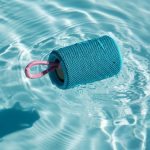
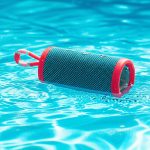
Yes, many waterproof portable speakers are designed to be submerged, but only to specific depths and for limited times. Always check the IP rating!
Hey there, tech explorers! Ever been poolside or at the beach and wished your music could join you without a worry? It’s so cool how portable speakers can pump out tunes wherever we go, making picnics, parties, and even just chilling at home way more fun. But then comes the big question when things get splashy: can these awesome gadgets actually handle a dip? It can be a bit confusing with all the different “waterproof” claims out there. Don’t sweat it! I’m here to break down exactly what “waterproof” means for your speakers and whether taking them for a swim is a smart move. Let’s dive in!
What Does “Waterproof” Actually Mean for Speakers?
You’ve probably seen “waterproof” written all over speaker boxes. It sounds great, right? Like you can just toss it in the pool and forget about it. But here’s a little secret: not all waterproof is created equal. The tech world has a special code for this, and it’s called an IP rating. Think of it like a secret handshake that tells you exactly how much protection a gadget has against dust and water.
Understanding the IP Rating: Your Speaker’s Secret Code
This is where things get super important. IP stands for “Ingress Protection.” It’s an international standard that tells you how well a device is protected from solid objects (like dust) and liquids (like water). The rating usually looks something like “IPX7” or “IP67.” The first number is for solids, and the second is for liquids. For speakers, the “X” often means it hasn’t been tested for dust, or dust isn’t the main concern, so we focus on the second number.
Here’s a quick cheat sheet for the water part:
IPX4: Protected against splashes from any direction. Think light rain or accidental splashes.
IPX5: Protected against low-pressure water jets from any direction. A gentle hose spray would be okay.
IPX6: Protected against high-pressure water jets. This is like a powerful jet wash, so it’s tougher.
IPX7: Protected against temporary immersion in water. This means you can usually submerge it up to 1 meter (about 3 feet) for about 30 minutes. This is the sweet spot for most “pool-friendly” speakers.
IPX8: Protected against continuous immersion in water under conditions which shall be specified by the manufacturer. This is the highest level, meaning it can handle deeper submersion for longer periods, but you still need to check the exact limits.
So, when you see IPX7, it’s a pretty good sign your speaker can handle a good splash or even a quick dunk!
Are Waterproof Portable Speakers Safe to Submerge? The Shocking Truth!
Okay, let’s get to the juicy part. Can you actually submerge them? The answer is a resounding… maybe! Many speakers marketed as “waterproof” are indeed designed to handle submersion, but there are crucial details you can’t ignore. It’s not a free-for-all swim!
Most speakers with an IPX7 rating are built for temporary immersion. This means they can survive a drop in the pool or a splash from a wave for a limited time. They have seals and gaskets that keep water out. But continuous submersion or dropping it in really deep water might still cause problems.
Think of it like wearing a rain jacket. It’s great for rain, but you wouldn’t want to go scuba diving in it, right? Your speaker is similar. It’s built for its intended environment, which for many is near water, not in deep water for extended periods.
Let’s Talk About Different Types of “Waterproof”
It’s easy to get confused by all the marketing terms. Here’s a breakdown of what manufacturers might mean:
Water-Resistant: This usually means it can handle splashes and light rain (think IPX4). It’s not meant for submersion.
Waterproof: This is the term we’re focusing on. It implies a higher level of protection, often IPX7 or IPX8. These can be submerged, but within specific limits.
Dustproof: This means it’s protected from dust and small particles. Often combined with waterproof ratings like IP67.
It’s always best to look for the official IP rating. That number is your real guide!
Why Submerging Might Still Be Risky (Even with IPX7)
Even if your speaker has a great IP rating, there are a few things that can go wrong:
Damage: If your speaker has a crack or a loose seal from a previous drop, water can get in. The IP rating is for a pristine device.
Saltwater vs. Freshwater: Saltwater is much more corrosive than freshwater. While a speaker might survive a quick dunk in the ocean, prolonged exposure or repeated dips can damage the internal components and seals over time. It’s always a good idea to rinse it with freshwater afterward.
Extreme Depths or Times: IPX7 means about 1 meter for 30 minutes. If you take it deeper or leave it submerged for hours, you’re pushing your luck. The IPX8 rating is better, but it still has manufacturer-specified limits.
Not Designed for Pressure: Speakers aren’t submarines! Intense water pressure from being too deep can force water past seals, even if they’re rated for it.
Real-Life Scenarios: When Your Speaker Can Shine (and Sink!)
Let’s picture some fun times. Your speaker is perfect for:
Pool Parties: Dropped in the shallow end? No problem! As long as it’s an IPX7 or higher, it can handle a quick dip.
Beach Days: Waves crashing near your towel? Splashes from friends playing frisbee? Your speaker can likely handle it.
Kayaking or Boating: A bit of spray from the water or an accidental tip? You’re usually covered.
Shower Singing: Love to belt out tunes in the shower? Many waterproof speakers are designed for this steamy environment.
But here’s where you should be cautious:
Deep Diving: Don’t take your speaker to the bottom of the pool to see how long it lasts.
Ocean Adventures: While it can handle splashes, leaving it submerged in saltwater for ages is a bad idea.
Washing Machines: Seriously, don’t do it. The tumbling and detergent are a recipe for disaster.
How to Check Your Speaker’s IP Rating
Finding your speaker’s IP rating is usually pretty straightforward.
1. Look at the Packaging: The box your speaker came in often has the IP rating printed on it.
2. Check the User Manual: The manual is your best friend for all things tech. It will detail the specifications, including the IP rating.
3. Visit the Manufacturer’s Website: Go to the brand’s website and search for your specific speaker model. The product page or support section will have all the details.
4. Examine the Speaker Itself: Sometimes, the rating is printed discreetly on the speaker’s body, often near the charging port or on the bottom.
If you can’t find it anywhere, it’s probably best to assume it’s just splash-resistant, not submersible.
Popular Waterproof Speaker Features to Look For
Beyond just the IP rating, here are some cool features that make waterproof speakers even better:
Buoyancy: Some speakers are designed to float! This is a lifesaver (literally, for your speaker) if it accidentally goes overboard in the water.
Floating Design: Similar to buoyancy, but these are specifically shaped and weighted to stay on top of the water.
Durable Casing: Look for rugged designs with rubberized edges or a sturdy build that can withstand bumps and drops.
Long Battery Life: If you’re out all day, you need a speaker that can keep the music going.
Bluetooth Connectivity: Most portable speakers use Bluetooth for easy wireless connection to your phone or tablet.
Carabiner Clip: Handy for attaching your speaker to a backpack or belt loop when you’re on the move.
Comparing Top Waterproof Speakers: A Quick Look
Let’s check out a few examples of what you might find on the market. Remember, specs can change, so always double-check the latest models!
| Speaker Model | IP Rating | Max Submersion (Approx.) | Key Feature | Best For |
| :—————— | :——– | :———————– | :——————————- | :—————————– |
| JBL Flip Series | IP67 | 1 meter for 30 mins | Buoyant, Portable | Everyday adventures, poolside |
| UE Boom Series | IP67 | 1 meter for 30 mins | 360-degree sound, Durable | Outdoor parties, active use |
| Sony SRS-XB Series | IP67 | 1 meter for 30 mins | Extra Bass, Dustproof | Lively gatherings, beach trips |
| Anker Soundcore 2 | IPX7 | 1 meter for 30 mins | Affordable, Good battery life | Budget-conscious users |
| Ultimate Ears WONDERBOOM | IP67 | 1 meter for 30 mins | Floats, Loud 360-degree sound | Pool parties, water fun |
This table gives you a snapshot. The IP67 rating is super common and very capable for most water-related fun. The “Buoyant” and “Floats” features are especially cool if you’re worried about dropping it in a lake or pool.
How to Keep Your Waterproof Speaker in Top Shape
Even the toughest speakers need a little love. Here are some simple tips:
Rinse After Saltwater Use: Always rinse your speaker with fresh water after it’s been in the ocean or a chlorinated pool. This prevents salt and chemicals from damaging the seals.
Dry Thoroughly: After rinsing or if it gets wet, let your speaker air dry completely before charging or storing it. Make sure all ports are dry.
Check Seals Regularly: Occasionally inspect the rubber seals around ports and buttons for any signs of wear or damage. If you see a tear, it’s time to be extra careful.
Don’t Leave it in Direct Sun for Too Long: While waterproof, excessive heat from direct sunlight can degrade the materials over time, affecting the seals.
Keep it Away from Extreme Temperatures: Just like most electronics, extreme heat or cold isn’t great for your speaker’s long-term health.
The Difference Between “Waterproof” and “Water-Resistant” in Practice
Let’s make this super clear. Imagine you’re at a picnic and someone spills their drink.
Water-Resistant (e.g., IPX4): Your speaker might survive a small splash. But if a whole cup gets poured on it, or it falls into a puddle, you could be in trouble. It’s like wearing a light jacket in a drizzle.
Waterproof (e.g., IPX7): That same spill? No sweat. If it accidentally falls into the shallow end of the pool for a few minutes? It should be perfectly fine. It’s more like wearing a full waterproof coat and trousers.
It’s a big difference! Always check that IP rating to know what you’re dealing with. For more detailed reviews on waterproof speakers, sites like CNET and TechRadar offer fantastic comparisons and tests.
Frequently Asked Questions About Waterproof Speakers
Let’s tackle some common questions you might have.
Q1: Can I use my waterproof speaker in the shower?
A1: If your speaker has an IPX5 rating or higher (IPX7 and IPX8 are even better!), then yes, it’s usually safe to use in the shower. Just make sure to wipe it dry afterward.
Q2: What happens if I submerge my speaker longer than the IP rating suggests?
A2: It’s risky! Even if it seems fine at first, prolonged submersion can eventually lead to water leaking into the speaker and causing damage. It’s best to stick to the manufacturer’s guidelines.
Q3: Does “waterproof” mean I can take it scuba diving?
A3: Definitely not! Most waterproof speakers are rated for shallow depths and temporary immersion. Scuba diving involves significant pressure and depth that these speakers aren’t built to handle.
Q4: My speaker got wet, but it’s not working right. What should I do?
A4: First, turn it off immediately. Don’t try to charge it! Let it air dry completely for at least 24-48 hours. If it still doesn’t work, contact the manufacturer or check your warranty. Water damage isn’t always covered, so it’s important to know your IP rating beforehand.
Q5: Is it okay to use my speaker in a hot tub?
A5: For speakers with IPX7 or IPX8 ratings, a quick splash from a hot tub is usually fine. However, prolonged submersion in hot water, especially with chemicals like chlorine, can degrade seals over time. Always rinse with fresh water afterward.
Q6: Do I need to worry about sand with my “waterproof” speaker?
A6: If your speaker has an IP rating that includes dust protection (like IP67 or IP68), it should be fine. If it’s just IPX7, it’s protected from water but not necessarily fine sand or dust. Sand can get into ports and buttons and cause damage, so be cautious on sandy beaches.
Q7: How do I clean my waterproof speaker if it gets dirty?
A7: For most waterproof speakers, a gentle wipe with a damp (not soaking wet!) cloth is enough. If it’s IPX7 or higher, you can rinse it under cool, fresh running water. Just make sure to dry it thoroughly afterward and ensure all ports are sealed and dry.
So, Should You Take the Plunge?
The short answer is: yes, you absolutely can enjoy your music near and even in the water with many portable speakers, thanks to their clever waterproof designs and those handy IP ratings. They are built to handle splashes, rain, and even a good dunk! Just remember to treat that IP rating like the instruction manual it is. Know your speaker’s limits – how deep it can go and for how long.
Think of it as giving your speaker a fun adventure, not sending it on a deep-sea expedition. By understanding the IP ratings and taking a few simple care steps, you can ensure your speaker keeps pumping out the tunes for countless sunny days and poolside parties to come.
Now go forth, embrace the splash, and make every moment louder and better with your awesome waterproof speaker!