If your power bank accidentally gets wet, act quickly to prevent permanent damage. Immediately disconnect it from any devices, dry it thoroughly, and allow it to air dry completely before trying to use it again. Using a wet power bank can cause short circuits or even pose safety risks, so prompt action is essential.
**Quick answer:** If your power bank gets wet, turn it off immediately, dry it gently with a towel, and let it sit in a dry, well-ventilated area until you’re sure it’s completely dry. Avoid turning it on or charging it until you’re confident all moisture has evaporated.
Getting your power bank wet can feel like a panic moment, especially if you rely on it daily. Water exposure can damage internal components or cause safety hazards. The key is to stay calm and act fast—remove it from the moisture source, disconnect any cables, and dry it carefully. Do not rush into drying with heat or blow-dryers, as excessive heat can worsen the damage. Instead, gently pat it dry and place it in a dry, ventilated spot. Patience is crucial; give it ample time to dry completely before attempting to use or charge it again. Taking these steps can save your device and keep you safe from potential hazards.

What to Do When Power Bank Gets Wet: A Complete Guide
Understanding the Risks of Water Exposure
Getting a power bank wet can seem alarming but understanding the risks helps you stay calm. Water can cause internal damage to the circuitry, leading to malfunction or even safety hazards. It’s important to act quickly to prevent permanent damage to your device.
Immediate Steps to Take When Your Power Bank Gets Wet
The first thing to do is turn off the power bank immediately. Unplug any devices connected to it to prevent short circuits. Gently remove the power bank from the water source and avoid shaking or forcing it to dry.
How to Safely Dry a Wet Power Bank
Drying is critical to prevent corrosion and short circuits. Use a soft, absorbent cloth to pat dry the exterior. Avoid using heat sources like a hairdryer because high heat could damage internal components.
Use of Absorbent Materials
Place your power bank in a bag or container filled with silica gel packets or uncooked rice. These materials absorb moisture effectively. Change the rice or silica gel every few hours to optimize drying.
Allow Sufficient Air-Drying Time
Let the device sit in a dry, well-ventilated area. Typically, it takes at least 24 to 48 hours for the moisture to evaporate completely. Patience is key to ensure the internal parts are dry before attempting to power it on again.
Inspecting Your Power Bank for Damage
After drying, examine your power bank carefully. Check for any visible signs of damage such as corrosion, swelling, or discoloration. Do not attempt to turn it on if you notice any abnormalities.
Checking for External Damage
Look for cracks, broken ports, or other physical signs of damage. These could indicate internal harm that might not be immediately visible.
Testing the Power Bank
Once you are confident it is dry and undamaged, connect it to a charger in a safe location. Observe if it charges properly. If it does not, or if you notice any unusual behavior, it’s best to replace the device.
Preventive Measures to Protect Your Power Bank from Water Damage
Prevention is always better than cure. Use waterproof cases or covers to protect your power bank when you are outdoors. Avoid charging or using it near water sources.
Proper Storage Tips
Keep your power bank away from humid environments and store it in a dry place. Consider placing silica gel packs in your storage area for added moisture control.
Choosing a Waterproof Power Bank
If you frequently use your power bank outdoors, invest in a waterproof or water-resistant model. Check the device’s IP (Ingress Protection) rating to ensure it can withstand exposure to water.
What Not to Do When Your Power Bank Gets Wet
Avoid trying to turn it on immediately after exposure to water. Do not use a hairdryer directly on the device, as high heat can damage internal electronics. Also, do not puncture or open the device yourself, as this can lead to further damage or safety hazards.
Additional Tips for Water-Damaged Power Banks
If you are unsure about the damage or if the power bank shows signs of swelling or leakage, do not attempt to reuse it. Instead, recycle it responsibly and replace it with a new, reliable model.
Proper Disposal and Recycling
Water-damaged power banks may be unsafe to use, especially if internal components are compromised. Take them to a certified electronic waste recycling facility to ensure safe disposal.
Seeking Professional Help
For valuable or expensive power banks, consider consulting a professional repair technician. They may be able to assess internal damage and perform repairs if feasible.
A wet power bank can be a cause for concern, but quick, careful action can often save it. The key is to turn it off immediately, dry it thoroughly, and inspect it for damage. Preventive measures such as waterproof cases and careful storage can help avoid future issues. Always prioritize safety and proper disposal if damage appears severe. With these steps, you can extend the life of your power bank or make informed decisions about replacing it.
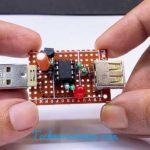
Water Damaged/Dead Mi Power Bank Repaired
Frequently Asked Questions
What immediate steps should I take if my power bank gets wet?
If your power bank gets wet, first turn it off immediately to prevent short circuits. Remove any connected cables and do not try to press any buttons. Gently wipe off excess water with a soft, dry cloth. Then, let it air dry in a well-ventilated area away from direct sunlight or heat sources. Avoid using a hairdryer or applying heat, as this can damage internal components.
Is it safe to use a power bank that has been exposed to water after drying?
No, it is not safe to use a power bank immediately after it gets wet and dries. Water can cause internal corrosion or damage electrical parts that may lead to malfunction or safety hazards. Before attempting to use it again, give the device enough time to fully dry, ideally 24-48 hours, and inspect for any visible damage. If you notice any signs of corrosion or damage, consider replacing the power bank for safety reasons.
How can I prevent damage if my power bank accidentally gets wet?
To prevent further damage, act quickly by disconnecting all cables and turning off the device. Avoid pressing buttons or charging the power bank until it dries completely. Store the power bank in a dry, ventilated place and consider placing it in a container with silica gel packets or rice to help absorb moisture. Regularly inspect your device for signs of corrosion or residue before using it again.
What are the risks of using a wet power bank?
Using a power bank that has been exposed to water can pose several risks, including electrical short circuits, overheating, or even fire. Water inside the device can cause corrosion, which may lead to malfunction or failure. Additionally, using a damaged power bank could harm your connected devices or cause personal injury. Therefore, always ensure it is completely dry and in good condition before reuse.
Should I seek professional repair or replacement if my power bank gets wet?
If your power bank has been wet, assess its condition after drying thoroughly. If you notice corrosion, strange smells, or abnormal behavior, it is safest to replace the device. Attempting to repair a water-damaged power bank yourself can be risky due to internal components and safety concerns. Consulting with a professional technician or purchasing a new unit often provides a safer, more reliable solution.
Final Thoughts
When your power bank gets wet, act quickly to prevent damage. First, turn it off immediately and remove it from any water source. Wipe it gently with a dry cloth to remove excess moisture.
Allow it to air dry completely in a warm, ventilated area before attempting to use it again. Remember, what to do when power bank gets wet is crucial for safety and device longevity. Taking these steps helps protect your device and maintain its performance.