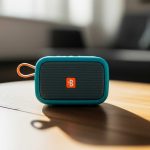
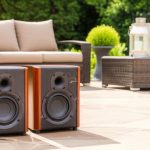
Generally, a waterproof sound box is not inherently louder than a normal speaker of the same size and driver configuration. The loudness of a speaker depends more on its wattage, driver size, and design, rather than its waterproofing. However, some waterproof speakers might be engineered with robust components that can contribute to higher volume.
Have you ever been by the pool, at the beach, or even just in the shower, wishing you could crank up your tunes without worrying about a splash or unexpected downpour ruining your speaker? That’s where the magic of waterproof sound boxes comes in. They offer peace of mind, letting you enjoy your music in places where traditional speakers fear to tread. But a question often pops up: are these rugged, water-resistant marvels actually louder than their everyday, non-waterproof counterparts? It’s a great question, and the answer isn’t a simple yes or no.
Let’s dive into the nitty-gritty of sound and water resistance to figure out what truly makes a speaker loud and how waterproofing fits into the picture. We’ll explore the science behind it all, so you can make an informed decision the next time you’re looking for a speaker that can handle a little (or a lot) of moisture.
## The Science of Sound: What Makes a Speaker Loud?
Before we talk about water, let’s understand what makes any speaker produce sound, and importantly, *loud* sound. It’s a combination of several key components and design choices. Think of it like building a car – you need the right engine, the right chassis, and the right aerodynamics to make it go fast. For speakers, it’s similar.
### Wattage: The Powerhouse of Sound
The most talked-about spec when it comes to speaker volume is wattage. Simply put, wattage (measured in watts, W) indicates how much power the speaker can handle and convert into sound energy. A speaker with a higher wattage rating will generally be capable of producing louder sound than one with a lower wattage rating, assuming all other factors are equal.
However, it’s crucial to understand the difference between Peak power and RMS (Root Mean Square) power. Peak power is the maximum output a speaker can handle for very short bursts, while RMS power is the continuous average power it can handle without damage. For a true comparison of loudness potential, you should always look at the RMS wattage. A 50W RMS speaker will be significantly louder than a 10W Peak speaker that might be advertised as 50W peak. If you’re curious about how wattage impacts sound, checking out articles on [what wattage bluetooth speaker is ideal](https://afftechy.com/what-wattage-bluetooth-speaker-is-ideal-astonishing-party-sound/) can offer deeper insights.
### Driver Size and Type: The Heart of the Speaker
The drivers are the actual components that produce sound waves – typically woofers for low frequencies (bass) and tweeters for high frequencies (treble). A larger driver, especially a woofer, can move more air. Moving more air is directly related to producing more sound pressure, which we perceive as loudness.
A speaker with a larger woofer, for example, can reproduce lower frequencies more effectively and at higher volumes before distortion sets in. Some waterproof speakers might use smaller drivers to maintain their compact and sealed design, which could inherently limit their maximum output compared to a larger, non-waterproof speaker with bigger drivers. Conversely, some high-end waterproof speakers might be engineered with surprisingly large or multiple drivers to compensate.
### Acoustic Design and Enclosure: The Speaker’s Body
The enclosure, or the box that houses the drivers, plays a massive role in sound quality and loudness. The design of the enclosure, including its size, shape, and porting (or lack thereof), can amplify certain frequencies, reduce distortion, and optimize sound output.
For waterproof speakers, the enclosure needs to be sealed to prevent water ingress. This sealed design can sometimes affect bass response, making it sound a bit less punchy or deep compared to a ported enclosure of a similar size. However, clever acoustic engineering can overcome these limitations. Some manufacturers use passive radiators or advanced internal bracing to enhance bass and overall volume in sealed, waterproof designs.
## Waterproofing: A Feature, Not a Loudness Booster
So, where does waterproofing fit into all of this? Simply put, the ability to withstand water is a design characteristic, much like Bluetooth connectivity or battery life. It doesn’t inherently make a speaker louder or quieter. The materials used for waterproofing, the sealing mechanisms, and the overall build are focused on protection, not on increasing the decibel output.
### The Materials Matter (But Not for Loudness)
Waterproof speakers often use robust, durable materials for their grilles, casings, and seals. These might include certain types of plastics, rubberized coatings, and specialized fabrics. While these materials are chosen for their resilience against water, dust, and impact, they don’t directly contribute to making the speaker louder. In some cases, these materials might even slightly dampen sound, although this effect is usually negligible in well-designed speakers.
### Sealed Enclosures: A Double-Edged Sword
As mentioned, most truly waterproof speakers (especially those with higher IP ratings) have sealed enclosures. This is essential to prevent water from reaching the internal electronics and drivers. A sealed enclosure has its own acoustic properties. It tends to offer a tighter, more controlled bass response but can sometimes lack the deep rumble of a bass-reflex (ported) enclosure.
While this might affect the *character* of the sound, it doesn’t automatically mean it’s quieter. The overall loudness is still dictated by the power and the drivers. However, if a waterproof speaker uses smaller drivers and a very compact sealed enclosure to achieve its small size, it might be less loud than a larger, non-waterproof speaker with bigger drivers.
## When Waterproof Speakers *Seem* Louder: Exploring the Nuances
While waterproofing itself doesn’t boost volume, there are several reasons why you might perceive a waterproof sound box as being louder than a comparable normal speaker.
### Marketing and Target Audience
Waterproof speakers are often marketed towards outdoor enthusiasts, adventurers, and party-goers. These are environments where background noise is common – think waves crashing at the beach, wind in the mountains, or a lively backyard gathering. To be effective in these settings, manufacturers often design waterproof speakers to be inherently loud and punchy.
They might equip them with higher wattage drivers, multiple drivers, or advanced sound processing to cut through ambient noise. So, while the waterproofing is a feature, the *intent* behind the product might be to deliver a powerful sound experience suitable for noisy environments. If you’re looking for loud options, exploring guides on [what is the loudest bluetooth speaker amazing sound](https://afftechy.com/what-is-the-loudest-bluetooth-speaker-amazing-sound/) can be very helpful.
### Engineering for Performance
Some manufacturers excel at designing waterproof speakers that don’t compromise on sound performance. They invest in advanced acoustic engineering to ensure that the sealed design doesn’t hinder loudness or sound quality. This can involve using custom-tuned drivers, sophisticated digital signal processing (DSP), and innovative enclosure designs.
These high-performance waterproof speakers can absolutely rival and even surpass the loudness of many standard speakers. It’s a testament to good engineering rather than the waterproofing feature itself. For instance, if you’re planning activities like kayaking, you’d want a speaker that can handle water and still provide ample volume, making guides on [what is the best bluetooth speaker for kayaking trips awesome sound](https://afftechy.com/what-is-the-best-bluetooth-speaker-for-kayaking-trips-awesome-sound/) particularly relevant.
### Comparison Basis: Like for Like
The crucial factor is comparing apples to apples. A tiny, portable waterproof speaker is unlikely to be as loud as a large, bookshelf-style non-waterproof speaker. However, a rugged, medium-sized waterproof Bluetooth speaker might be just as loud, or even louder, than a similarly sized standard Bluetooth speaker, if it’s engineered that way.
Always check the specifications:
* RMS Wattage: This is your best indicator of continuous power output.
* Driver Size: Larger drivers generally mean more air movement and potential loudness.
* Frequency Response: While not directly loudness, it indicates how well the speaker reproduces different sound ranges, impacting perceived fullness and impact.
If you’re finding your current speaker isn’t loud enough, resources on [how to make my bluetooth speaker louder boost sound](https://afftechy.com/how-to-make-my-bluetooth-speaker-louder-boost-sound/) can offer practical tips.
## Factors Affecting Loudness in Waterproof Speakers
Let’s break down the specific design choices that can influence how loud a waterproof sound box actually is.
### IP Ratings and Sound Compromises
The Ingress Protection (IP) rating tells you how well a device is protected against dust and water. For example, an IPX7 rating means the device can be submerged in water up to 1 meter for 30 minutes. Achieving these high levels of protection often requires a very tight, sealed enclosure.
Sometimes, achieving a perfect seal might involve using materials that are slightly less acoustically transparent or designing drivers that are more resistant to moisture but might have slightly different performance characteristics. However, modern technology has made these compromises minimal for many reputable brands. Many waterproof speakers are designed to offer excellent sound quality and volume alongside their protective features. If you’re wondering about the right waterproof rating for specific activities, understanding [what waterproof rating is needed for kayaking bluetooth speaker essential guide](https://afftechy.com/what-waterproof-rating-is-needed-for-kayaking-bluetooth-speaker-essential-guide/) is important.
### Size and Portability
There’s a direct relationship between speaker size and its potential loudness. Larger speakers, particularly those with larger drivers, can generally produce more sound. Many popular waterproof speakers are designed for portability – small, light, and easy to carry.
While miniaturization is impressive, there are physical limitations to how much sound a small driver in a small enclosure can produce. You won’t find a tiny, credit-card-sized waterproof speaker that can rival the volume of a large, floor-standing home audio speaker, waterproof or not. However, for their size, many waterproof speakers are remarkably loud.
### Battery Life and Power Delivery
Loud sound requires a lot of power, and that power comes from the battery. Speakers designed for high volume output often need larger batteries and more efficient power management systems. A waterproof speaker that can play loudly for extended periods is a good sign of robust internal components and a well-designed power system.
If a speaker is advertised as very loud but has a very short battery life at that volume, it might be pushing its limits or not efficiently converting battery power into sound.
## Comparing Waterproof vs. Normal Speakers: A Practical Approach
When you’re in the market for a new speaker, it’s easy to get caught up in features. But for loudness, it’s about performance. Here’s how to approach it:
### Read Reviews and Specifications
Don’t just take the manufacturer’s word for it. Read professional reviews and user feedback. Look for mentions of loudness, clarity at high volumes, and any distortion. Crucially, check the technical specifications. Compare RMS wattage, driver sizes, and even impedance if you can find it. If you’re looking for the loudest options, consider articles on [what is the loudest bluetooth speaker epic hiking sound](https://afftechy.com/what-is-the-loudest-bluetooth-speaker-epic-hiking-sound/).
### Listen Before You Buy (If Possible)
The best way to know if a speaker is loud enough for you is to hear it. If you can, test out different models in a store or ask friends who own them. Pay attention to how loud it gets before the sound starts to break up or distort.
### Consider Your Environment
Where will you be using your speaker most?
* For quiet indoor listening: A moderate-wattage speaker is likely sufficient.
* For backyard parties or beaches: You’ll need something with more power to cut through ambient noise.
* For camping or hiking: Portability and reasonable loudness are key. A speaker that’s loud enough for a campsite is important, and guides on [which bluetooth speaker is loud enough for campsite music amazing sound](https://afftechy.com/which-bluetooth-speaker-is-loud-enough-for-campsite-music-amazing-sound/) can help.
If you need a speaker for a specific activity like kayaking, checking out [which waterproof speaker is loud enough ultimate guide](https://afftechy.com/which-waterproof-speaker-is-loud-enough-ultimate-guide/) will give you focused recommendations.
## Conclusion: Loudness is About Engineering, Not Just Water
So, is a waterproof sound box louder than a normal speaker? Not inherently. The loudness of a speaker is determined by its power (wattage), the size and quality of its drivers, and its acoustic design. Waterproofing is a protective feature that doesn’t directly increase volume.
However, many waterproof speakers are engineered with high-power components and advanced acoustics to perform well in outdoor or challenging environments where louder sound is often desired. This can lead to some waterproof models being exceptionally loud, potentially more so than standard speakers of a similar size.
When choosing a speaker, focus on the specifications that matter for loudness: RMS wattage and driver size. Read reviews, compare models, and consider where you’ll be using it. Whether you need a speaker for a poolside bash, a mountain adventure, or just a shower singalong, you can find waterproof options that deliver impressive volume without sacrificing durability. The key is to look beyond the “waterproof” label and focus on the engineering that truly makes a speaker loud.
Key Takeaways
- Waterproofing itself does not directly increase a speaker’s volume. The primary factors determining loudness are wattage, driver size, and acoustic design.
- Similar wattage, similar volume. Two speakers, one waterproof and one not, with identical wattage and driver specifications, will likely produce similar sound pressure levels (SPL).
- Robust engineering can lead to louder waterproof options. Some manufacturers design waterproof speakers with more powerful components or better internal acoustics to compensate for potential sound compromises.
- Sealed enclosures can affect sound. The sealed nature of many waterproof speaker designs can influence bass response and overall output.
- Environmental factors matter. Waterproof speakers are often designed for outdoor use, where background noise might necessitate a louder output, leading to models that are inherently more powerful.
- Focus on specifications, not just features. When comparing, look at RMS wattage, driver diameter, and frequency response rather than just “waterproof” as a sole indicator of loudness.
Frequently Asked Questions
Are waterproof speakers generally less powerful than non-waterproof ones?
Not necessarily. While the design requirements for waterproofing can sometimes influence component choices, many manufacturers engineer waterproof speakers with powerful components to ensure they can compete with standard speakers in terms of sound output.
Does the sealed design of a waterproof speaker affect its loudness?
The sealed design is crucial for water resistance and can affect the speaker’s acoustic properties, particularly bass response. However, with good engineering, this doesn’t automatically mean it’s less loud; it’s more about how the sound is produced.
What specifications should I look for to determine if a waterproof speaker will be loud?
Focus on the RMS wattage, driver size, and driver configuration. A higher RMS wattage and larger drivers generally indicate a louder potential output.
Can I make my waterproof speaker louder?
You can often maximize your speaker’s volume through software settings on your connected device, ensuring a strong Bluetooth connection, and by placing the speaker in a way that optimizes sound projection. For more advanced tips, explore resources on [how to make bluetooth speaker louder boost sound](https://afftechy.com/how-to-make-bluetooth-speaker-louder-boost-sound/).
Are there waterproof speakers specifically designed for loudness?
Yes, many brands offer waterproof speakers that prioritize high output volume for outdoor events and parties. These are often larger, have higher wattage, or utilize multiple drivers to achieve maximum loudness.
If I buy a waterproof speaker for kayaking, does it need to be loud?
Yes, for activities like kayaking, you’ll want a speaker that is not only waterproof but also loud enough to be heard over the sounds of water, wind, and other environmental noise. Considering [what waterproof rating is needed for kayaking bluetooth speaker essential guide](https://afftechy.com/what-waterproof-rating-is-needed-for-kayaking-bluetooth-speaker-essential-guide/) and loudness is important.