Protect your Bluetooth speaker on the go! Learn simple, smart ways to carry it safely, keeping its sound crisp and its body intact. No more worries about bumps or scratches!
Hey there, tech lovers! Max here from AffTechy.com, your go-to spot for making gadgets easy and fun. You know, those little Bluetooth speakers? They’re amazing. They turn any picnic, beach day, or even just a chill evening at home into a mini concert. But sometimes, figuring out how to get them from point A to point B without them getting bashed around can feel a bit tricky, right?
We’ve all been there. You’re excited to share your favorite tunes, but then you look at your speaker and think, “How do I actually carry this thing without it ending up scratched or, worse, broken?” It’s like having a portable party machine that needs a little tender loving care when it’s on the move. Don’t worry, though!
That’s exactly why I’m here. I’m going to walk you through some super simple, totally practical tips to keep your trusty speaker safe and sound, no matter where your adventures take you. We’ll cover everything from what to look for in a carrying case to smart packing techniques. Think of me as your friendly tech guide, making sure your sound system stays in top shape.
Ready to become a pro at transporting your tunes? Let’s dive in and make sure your speaker always arrives in perfect condition, ready to blast your favorite jams!
Why Protecting Your Bluetooth Speaker Matters
So, you’ve got a portable Bluetooth speaker. It’s awesome for bringing music, podcasts, or even movie audio anywhere. But these little guys can be surprisingly fragile. A single drop or a nasty bump can lead to a cracked casing, a damaged speaker cone, or even internal circuitry issues. That means no more sound, or worse, muffled, distorted audio.
Think about it: your speaker might be made of plastic, metal, or have delicate fabric grilles. These materials, while great for sound, aren’t always tough against impacts. Plus, they often have exposed buttons or ports that can be easily damaged if not protected. Keeping it safe means it’ll sound great for much longer.
It’s like taking care of your favorite sneakers or your comfy headphones. A little bit of care goes a long way. When you protect your speaker, you’re not just saving it from damage; you’re investing in countless hours of future listening pleasure. And who doesn’t want that?
The “Carry-It-All” Challenge: What Goes Wrong?
Ever just shoved your speaker into a backpack with keys, water bottles, and other random stuff? Yeah, me too. It seems convenient at the time. But then you pull it out later, and there’s a new scratch on the grille, or maybe the volume knob feels a bit loose. That’s the stuff that makes you wince.
Another common issue is carrying it loosely. You might hold it by the strap, but if you’re walking fast, or if the strap slips, it can easily bang against things. Or maybe you’re juggling your speaker with a bunch of other items, and it gets crushed between them. It’s a recipe for disaster for delicate electronics.
And let’s not forget about the elements! Rain, dust, sand at the beach – these can all sneak into ports and speaker grilles, causing damage or affecting sound quality. Proper carrying methods can actually help shield your speaker from these outdoor nuisances too.
Your Speaker’s Best Friend: The Protective Case
This is where the magic happens! A good protective case is your speaker’s best friend when it’s on the move. It’s like giving your speaker its own little cozy, padded home. These cases are designed specifically to absorb shocks and prevent scratches.
Many cases are made from durable materials like EVA foam or hard plastic shells. They often have soft interior lining to keep the speaker’s surface pristine. Some even have built-in compartments for charging cables or other small accessories. It’s a game-changer for protecting your investment.
When you’re looking for a case, think about how well it fits your specific speaker model. A snug fit means less rattling around inside the case, which further reduces the risk of damage. Check for sturdy zippers and comfortable carrying straps or handles, too. A well-designed case makes transport not just safe, but also easy and stylish.
Choosing the Right Carrying Solution
Not all speakers are the same, and neither are their carrying needs. Some speakers are super rugged and water-resistant, designed for outdoor adventures. Others are more sleek and delicate, meant for indoor use or careful transport. So, the best way to carry yours really depends on the speaker itself and where you’re going.
Here are a few popular options to consider:
- Dedicated Speaker Cases: These are custom-made for specific speaker models or sizes. They offer the best protection because they fit like a glove.
- Soft Pouches/Sleeves: Great for lighter protection against scratches and dust. They’re usually made of neoprene or a similar flexible material.
- Hard-Shell Cases: Offer maximum protection against impacts and crushing. Think of them like a mini suitcase for your speaker.
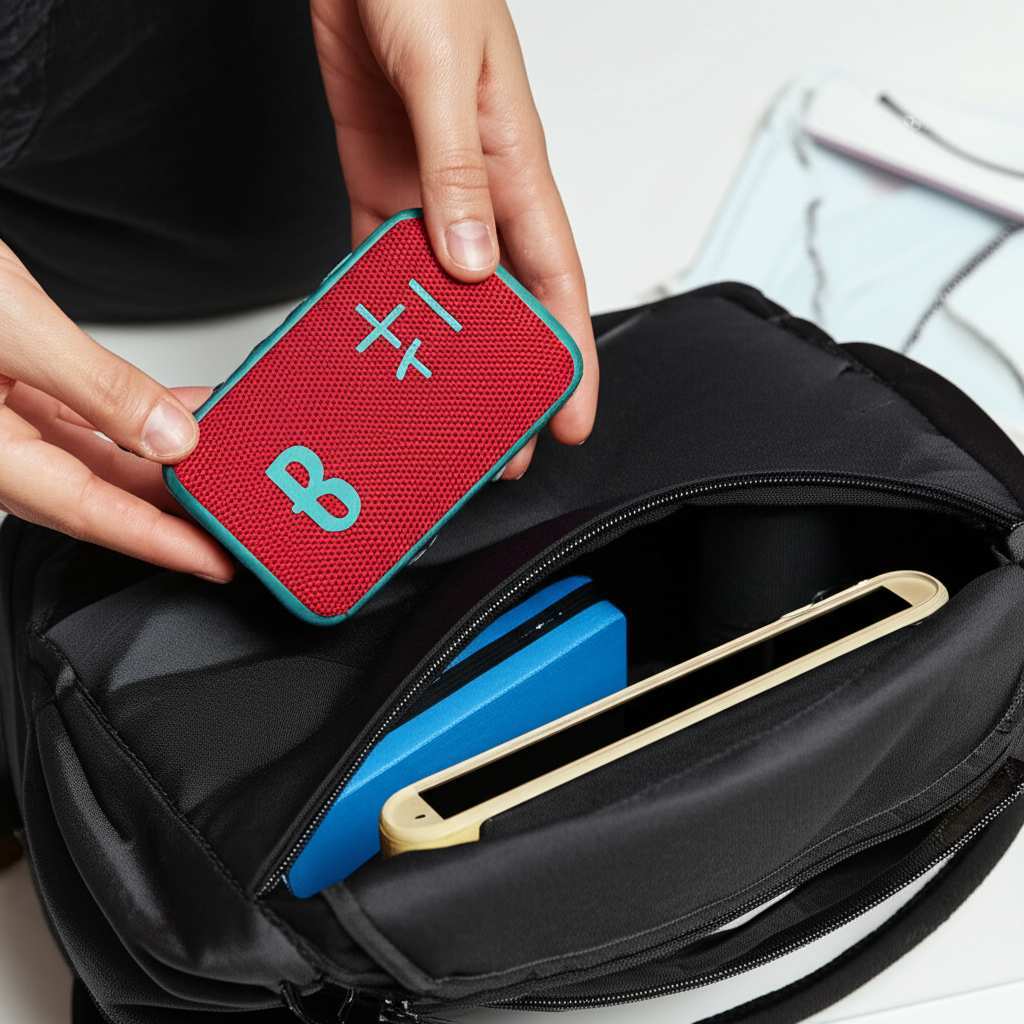
- Backpacks with Padded Compartments: If you already use a backpack, look for one with a dedicated, padded section for electronics.
- Original Packaging (for short trips): Sometimes, the box your speaker came in can offer surprisingly good protection for short, careful journeys.
It’s all about finding the balance between protection, portability, and convenience. For example, if you’re just moving your speaker from the living room to the patio, a simple soft sleeve might be enough. But if you’re heading on a hike or a long road trip, a hard-shell case is probably your best bet.
Smart Packing Strategies: Beyond the Case
Even with a great case, how you pack your speaker within a larger bag matters. Think about avoiding direct contact with sharp or heavy objects. This is where those little things can make a big difference in keeping your speaker looking new.
Here are some smart packing tips:
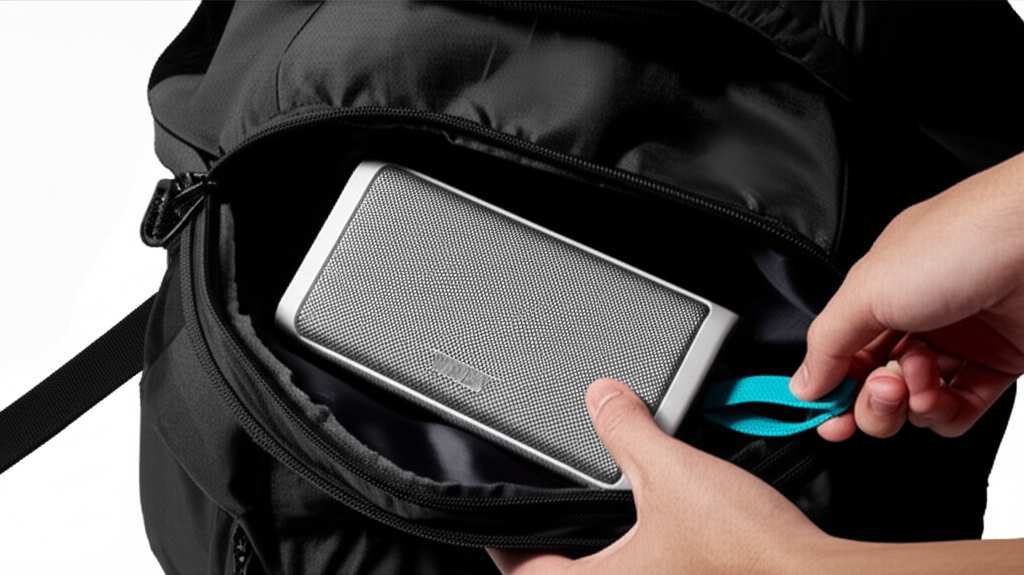
- Place it in the Middle: When packing your speaker in a backpack or duffel bag, try to place it in the center, surrounded by softer items like clothes or towels. This creates a buffer zone.
- Keep it Away from Sharp Objects: Keys, pens, tools – these are the enemies of speaker grilles and casings. Always pack them separately or ensure they won’t be pressing against your speaker.
- Secure Loose Cables: A stray charging cable can snag on something or scratch the speaker. Wrap it up neatly and secure it, perhaps inside a small pouch.
- Avoid Overpacking: Don’t stuff your bag so full that pressure is constantly applied to your speaker. Give it a little breathing room.
- Waterproofing for the Outdoors: If you’re heading to the beach or a rainy area, ensure your speaker is water-resistant or use a waterproof bag or case. Even water-resistant speakers can have limitations!
These little habits might seem minor, but they collectively prevent a lot of the wear and tear that can happen over time. It’s about being mindful of where your speaker is and what it’s up against.
Carrying by Hand: The Gentle Approach
Sometimes, you just need to carry your speaker a short distance, like from your car to a picnic spot. In these cases, using your hands or the speaker’s built-in strap is fine. But even then, there are ways to do it more safely.
Always use the designated handle or strap if your speaker has one. Don’t try to grip it by a delicate part of the grille or a flimsy antenna. Make sure your grip is firm and secure.
When walking, be aware of your surroundings. Try to avoid swinging the speaker around or letting it bump against your legs or other objects. If you’re carrying multiple items, prioritize a stable grip on your speaker. It’s all about a steady, controlled movement.
Quick Check: What to Look For in a Speaker Strap
- Comfort: Is it padded or easy to grip?
- Durability: Is it made of strong material that won’t fray or break?
- Length: Can you adjust it to wear it over your shoulder or comfortably in your hand?
- Attachment Points: Are the clips or loops secure and well-attached to the speaker body?
A good strap can make a huge difference in how easy and safe it is to carry your speaker by hand.
Protecting Against the Elements: Weatherproofing Your Transport
We love taking our music outdoors, but the weather can be unpredictable. Rain, humidity, sand, and even dust can wreak havoc on electronics. Even if your speaker is water-resistant, it’s not invincible.
For rainy days or trips to the beach, consider using a waterproof carrying case or a dry bag. These are specifically designed to keep moisture out. Many are made of robust PVC or TPU materials with sealed seams and roll-top closures.
If you don’t have a waterproof case, you can improvise. A sturdy zip-top bag can offer temporary protection for short periods, especially against light splashes or dust. Just make sure it’s sealed tightly!
Fun Fact:
Many Bluetooth speakers are rated with an IP (Ingress Protection) code, like IPX7. The first digit refers to dust protection, and the second to water. An IPX7 rating means the speaker can be submerged in up to 1 meter of water for 30 minutes. Pretty neat, huh?
Understanding your speaker’s IP rating can help you decide how much extra protection you need when facing the elements.
When It Comes to Battery Life and Portability: A Quick Comparison
When choosing a speaker, portability and battery life are key. But how does carrying affect these? A speaker that’s too big or heavy might mean you carry it less, but a smaller one might have less battery. Finding the sweet spot is important.
Here’s a look at how different speaker sizes can impact your carrying choices and listening sessions:
| Speaker Size | Portability | Typical Battery Life | Carrying Method Recommendation |
|---|---|---|---|
| Ultra-Portable (e.g., JBL Go) | Very High | 4-8 Hours | Soft pouch, pocket, or clip-on carabiner. |
| Compact (e.g., UE Boom) | High | 10-15 Hours | Dedicated sleeve, small backpack compartment. |
| Medium (e.g., Bose SoundLink) | Medium | 12-20 Hours | Dedicated hard-shell case, larger backpack. |
| Large/Home Use (e.g., some Sonos) | Low | N/A (often plugged in) | Original packaging or sturdy box for moving. |
As you can see, smaller speakers are easier to carry and often fit into simple pouches. Larger ones demand more robust protection and might be less convenient for spontaneous trips. Always consider how and where you’ll be using your speaker most when making a purchase!
This table shows that if you’re always on the move, an ultra-portable or compact speaker might be your best bet. They are designed for easy carrying and often have decent battery life for their size. For these, a simple soft case or a dedicated pouch is usually sufficient. Larger speakers, while offering potentially richer sound, require more careful planning for transport.
Maintaining Your Speaker for the Long Haul
Beyond just carrying it, a little regular maintenance keeps your speaker in great shape. This includes keeping it clean and ensuring its ports are free of debris. A clean speaker not only looks better but also functions optimally.
Here are a few simple maintenance tips:
- Dust Regularly: Use a soft, dry cloth or a gentle brush to remove dust from the grille and casing. Avoid using harsh chemicals.
- Clean Ports: Gently use a can of compressed air to blow out any dust or debris from charging ports and auxiliary jacks.
- Check for Firmware Updates: Some speakers can be updated via an app. These updates can improve performance and connectivity.
- Store Properly: When not in use for extended periods, store your speaker in a cool, dry place, ideally in its protective case.
Taking these small steps will ensure your speaker remains a reliable source of great sound for years to come.
Carrying Different Types of Bluetooth Speakers
Let’s talk about some specific types of speakers and how to best carry them.
Rugged Speakers
These are built tough! Think speakers designed for camping or hiking, often with rubberized exteriors and water/dust resistance.
- Pros: Can handle more abuse, often float or are waterproof.
- Cons: Can be heavier, might not have the absolute best sound fidelity compared to non-rugged models.
- Carrying Tips: Most have a built-in loop or carabiner clip, making them easy to attach to a backpack. Even so, avoid dropping them from significant heights or submerging them beyond their rated depth.
For example, a speaker like the Ultimate Ears MEGABOOM 3 is known for its durability. While it can survive a lot, we still recommend using its strap or a carabiner to prevent accidental drops.
Soundbars and Larger Portable Speakers
These are often more for home use but can be portable. They’re usually heavier and bulkier.
- Pros: Incredible sound quality, fill a room with audio.
- Cons: Not truly “portable” in the pocket-sized sense, require more effort to move.
- Carrying Tips: If you need to move these, the original box is often the best bet for protection. If you don’t have it, invest in a dedicated padded bag or a sturdy, well-padded rolling case. Always lift with your legs, not your back!
A speaker like the Sonos Move, while portable, is substantial. Moving it between rooms or to a backyard party requires a firm grip and awareness of its weight and size.
Mini/Pocket-Sized Speakers
These are the smallest and most convenient, but also the most delicate.
- Pros: Extremely portable, easy to fit anywhere.
- Cons: Limited battery life, sound quality can be compromised, very susceptible to damage.
- Carrying Tips: A simple soft pouch is usually enough. Many come with a small loop to attach a carabiner, which is great for clipping to a bag or belt loop. Just be mindful of keys and other hard objects in your pocket or bag.
A tiny speaker like the Anker Soundcore Mini is designed to be tossed in a bag or pocket. However, keeping it in a separate small compartment or a soft pouch will prevent scratches from other items.
Can I Just Throw My Speaker in My Bag? The Expert Opinion
While you can technically throw your speaker in your bag, it’s generally not the best idea for its longevity. Think of it like this: would you toss your smartphone into a bag with a bunch of loose change and keys? Probably not. Your Bluetooth speaker, while often more robust, still has delicate internal components and exterior finishes that can be easily damaged.
According to tech review sites like CNET, the best practice for transporting any electronic device, including Bluetooth speakers, is to give them adequate protection. This means using a case, a padded compartment, or at least ensuring they are not subjected to pressure or impact from other items. It’s a small step that significantly extends the life and preserves the sound quality of your speaker.
Frequently Asked Questions (FAQs)
Q1: What’s the easiest way to carry my Bluetooth speaker?
The easiest way is usually with a dedicated carrying case or a soft pouch. Many speakers also have a built-in strap or loop, which is great for quick trips.
Q2: How do I protect my speaker from getting scratched?
Always use a case or a soft sleeve. If you’re packing it in a bag, make sure it’s surrounded by soft items and kept away from sharp objects like keys or pens.
Q3: Is it okay to carry my speaker in the rain without a case?
Only if your speaker is specifically rated as waterproof (e.g., IPX7 or higher) and the conditions are within its limits. For most speakers, it’s best to use a waterproof case or bag to avoid water damage.
Q4: My speaker fell out of my bag. What should I do?
First, check it for any visible damage. Try turning it on and playing some music. If it sounds distorted or doesn’t work, you might need to consult the manufacturer or a repair service.
Q5: How long should a Bluetooth speaker last?
With proper care and maintenance, a good Bluetooth speaker can last many years. Battery degradation is usually the first thing to notice, but the sound quality and speaker body can remain in good condition for a long time.
Q6: Can I use a regular tote bag to carry my speaker?
A tote bag can work if you pack carefully. Place the speaker in a soft pouch and put it in the middle of the bag, cushioned by other items. Avoid placing heavy or sharp things on top of it.
Q7: What’s the difference between water-resistant and waterproof?
Water-resistant means it can handle splashes or light rain, but shouldn’t be submerged. Waterproof means it can be submerged in water for a specific period and depth without damage, as indicated by its IP rating.
Conclusion: Your Speaker, Safe and Sound!
There you have it! Keeping your Bluetooth speaker safe while you’re out and about doesn’t have to be complicated. From investing in a good case to packing it smartly in your bag, these simple tips will make sure your music maker stays protected, sounding great for all your adventures.
Remember, a little bit of care goes a long way in preserving your speaker’s quality and lifespan. So, whether you’re heading to the park, the beach, or just moving it to another room, you’re now equipped with the knowledge to do it right.
Now go enjoy amazing sound and make every moment louder and better, knowing your speaker is safe and sound wherever you take it! Happy listening!