
Your portable Bluetooth speaker’s battery life can range wildly, from just 4 hours to an epic 40+ hours! The “shocking truth” is that it depends heavily on speaker size, volume, features, and how you use it. Don’t be fooled by big numbers; real-world use is key!
Hey there, tech explorer! Ever feel like your trusty portable Bluetooth speaker just doesn’t last as long as you hoped? You know, you’re out at the park, the beach, or just chilling in the backyard, and bam – the music cuts out way too soon. It’s like the party just dies because the battery gave up!
It can be super confusing when you’re looking at speakers, right? They all promise these amazing battery hours, but what does that really mean for you and your playlists? We’re going to dive into the real deal behind how long these little sound machines should actually keep the tunes flowing.
Think of it like this: a tiny keychain speaker is going to have a different battery life than a boombox you can barely carry. It just makes sense! But what are the actual numbers, and why do they change so much?
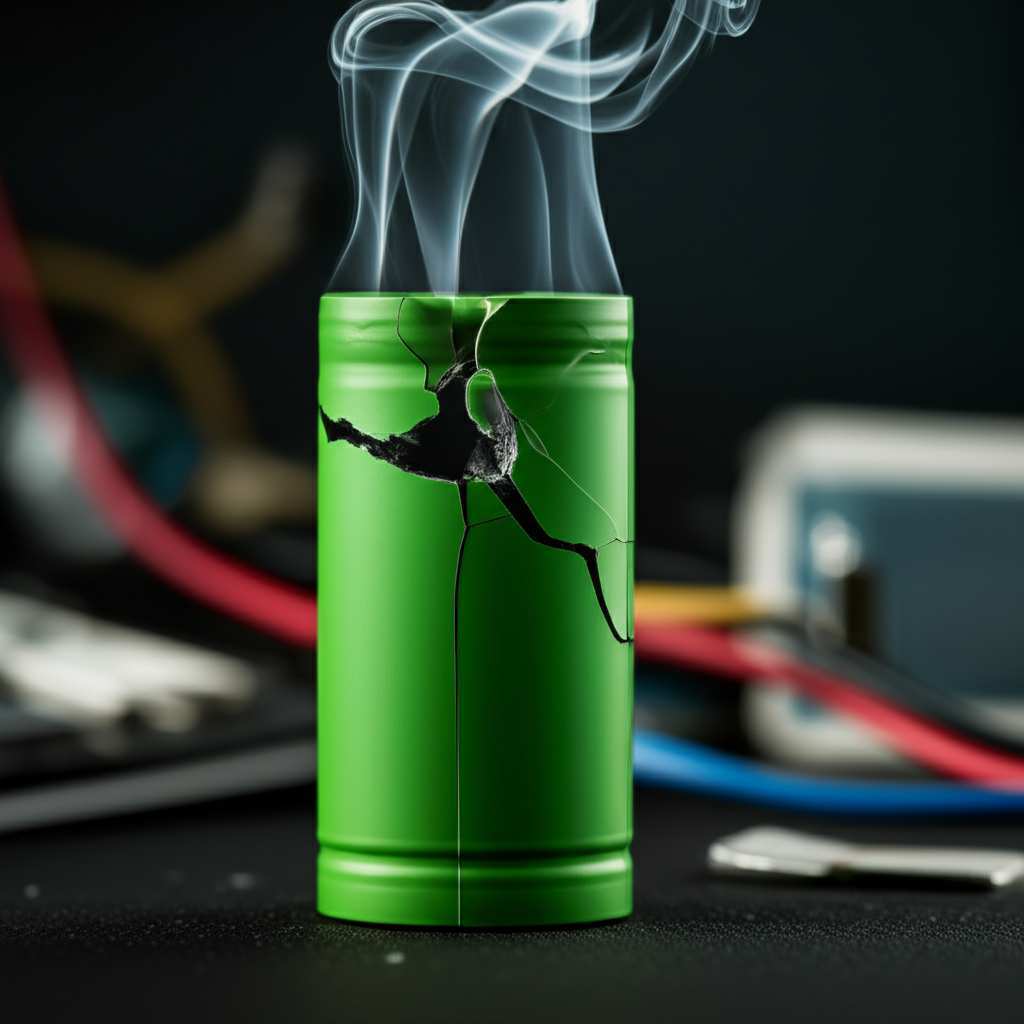
Don’t worry, we’re going to break it all down. We’ll look at what affects battery life and what you can expect. Let’s make understanding speaker batteries as easy as hitting play on your favorite song!
The “Shocking Truth” About Speaker Battery Life
Let’s get straight to it. The biggest “shocking truth” is that there’s no single answer to “how long should a battery last.” It’s like asking how long a car should last – it depends on the car, how you drive it, and what you use it for!
Portable Bluetooth speakers are designed for convenience. They run on rechargeable batteries, and how long that battery power stays strong is a mix of science, engineering, and how you use it.
You’ll see numbers like 10 hours, 20 hours, or even 40 hours advertised. This is usually based on specific testing conditions. Often, this means playing the speaker at a moderate volume (like 50%) with no extra features active.

But who listens at exactly 50% volume all the time? And what about when you use the speakerphone, connect multiple speakers, or blast your favorite bass-heavy tracks? That’s where the advertised numbers can start to look a little different from your real-world experience.
So, before you get too caught up in those big numbers, let’s explore what really makes a speaker’s battery tick.
What Makes a Speaker’s Battery Life Different?
It’s not just one thing! Several factors play a big role in how long your speaker will keep the music going. Understanding these can help you choose the right speaker and manage your expectations.
Speaker Size and Power
This is a big one! Larger speakers often have bigger batteries. They also tend to have more powerful amplifiers and bigger drivers, which use more energy. So, a massive boombox might have a longer battery life than a tiny one, but it also needs more power to run.
Think of it like a flashlight. A small keychain light uses tiny batteries that don’t last as long as the big D-cell batteries in a huge searchlight. The speaker is the same way, just with music!
Volume Level
This is probably the most impactful factor for most users. Playing music at a low volume uses much less power than blasting it at maximum volume.
If a speaker is rated for 20 hours at 50% volume, you might get only 8-10 hours at 80-100% volume. It’s a trade-off: loud music means a shorter battery life.
Features and Connectivity
Does your speaker have extra cool features? Things like built-in microphones for speakerphone calls, LED lights, Wi-Fi connectivity (instead of just Bluetooth), or the ability to pair with other speakers all use extra power.
If you’re using your speaker as a power bank to charge your phone, that will drain its battery much faster too! Every extra function your speaker performs draws energy.
Type of Audio
Believe it or not, the type of music you play can also affect battery life. Bass-heavy music, like electronic dance music or hip-hop, often requires more power from the amplifier to reproduce those low frequencies.
So, if you’re rocking out to a deep bass track, your battery might drain a little quicker than if you were listening to acoustic folk music. It’s a subtle difference, but it’s there!
Battery Age and Health
Just like your phone battery, your speaker’s battery won’t last forever. Over time, rechargeable batteries lose their capacity. If your speaker is a few years old, its maximum playtime will likely be less than when it was new.
Proper charging habits can help preserve battery health. Avoid leaving it plugged in constantly after it’s fully charged, and try not to let it die completely too often.
What to Expect: Typical Battery Life Ranges
Let’s get into some numbers so you have a better idea of what’s realistic for different types of speakers. These are general guidelines, and your mileage may vary based on the factors we just discussed.
Here’s a quick look at what you might find:
| Speaker Type | Typical Advertised Battery Life (at 50% volume) | Real-World Playtime (at 70-80% volume) | Notes |
|---|---|---|---|
| Ultra-Portable Mini Speakers (e.g., JBL Go, Anker Soundcore Mini) | 6-12 hours | 3-6 hours | Smallest, lightest, often basic features. Great for personal listening. |
| Compact Portable Speakers (e.g., JBL Flip, Bose SoundLink Flex) | 10-20 hours | 5-12 hours | Most popular category. Good balance of size, sound, and battery. |
| Medium/Large Portable Speakers (e.g., JBL Charge, Ultimate Ears MEGABOOM) | 15-25 hours | 8-18 hours | Better sound, more bass, often water-resistant. Can double as power banks. |
| Party/Boombox Style Speakers (e.g., Sony XP500, Soundcore Rave) | 20-40+ hours | 10-25 hours | Largest, loudest, best for gatherings. May require AC power for max output. |
See? That advertised number can be quite a bit different from what you get when you’re really using it to party! This table shows that while a speaker might claim 20 hours, cranking it up at a backyard BBQ will likely get you closer to 10-12 hours.
It’s not a trick, it’s just how power consumption works. More volume equals more power needed. So, if you’re planning a long day of music, keep that in mind when setting your volume!
How to Get the Most Out of Your Speaker’s Battery
Want to stretch that playtime as far as it can go? Here are some simple tips that can make a big difference. You don’t need to be a tech wizard for these!
Here’s how to make your battery last longer:
- Play at a Moderate Volume: This is the golden rule! Lowering the volume from 80% to 60% can sometimes double your playtime. If you’re just chilling or need background music, keep it down.
- Turn Off Unused Features: If your speaker has a speakerphone, LED lights, or Wi-Fi, turn them off when you don’t need them. These features sip power even when you’re just listening to music.
- Avoid Constant Max Volume: While it’s fun to blast your favorite song, doing it for hours will drain the battery fast. Try to use max volume sparingly.
- Keep it Cool: Extreme temperatures, both hot and cold, can affect battery performance and longevity. Try to keep your speaker in a temperate environment.
- Charge Properly: Most modern speakers use lithium-ion batteries. It’s generally best to avoid letting the battery drain completely to 0% too often. Charging it when it’s around 20-30% is a good habit.
- Update Firmware: Sometimes, manufacturers release software updates that can improve battery efficiency. Check your speaker’s app or the manufacturer’s website for updates.
- Use a Wired Connection When Possible: If your speaker has an AUX-in port and you’re stationary, using a wired connection can sometimes save a little battery compared to Bluetooth.
These tips are super easy to follow and can really help you get more enjoyment out of your speaker without constantly searching for an outlet.
Understanding Speaker Specifications
When you’re shopping for a new speaker, you’ll see a bunch of technical terms. Don’t let them scare you! Let’s look at a few that relate to battery life.
| Specification | What it Means | Why it Matters for Battery Life |
|---|---|---|
| Battery Capacity (mAh – milliampere-hours) | This is the “fuel tank” size. A higher mAh means a bigger battery. | A larger mAh battery can last longer, but it also depends on how much power the speaker uses. |
| Power Output (Watts – W) | How loud the speaker can get. Higher wattage usually means more power. | More powerful speakers with higher wattage often consume more battery, especially at higher volumes. |
| Bluetooth Version (e.g., 4.2, 5.0, 5.3) | The wireless technology used to connect. Newer versions are more efficient. | Newer Bluetooth versions (like 5.0 and above) use less power for a more stable connection, which can help battery life. |
| IP Rating (e.g., IPX7) | Water and dust resistance rating. | While not directly related to battery life, features that add water resistance (like sealed designs) can sometimes mean less ventilation, potentially affecting battery temperature and long-term health if not managed well. |
So, when you see a speaker with a 5000 mAh battery and 20W power output, you know it’s got a decent-sized tank and enough muscle to play loud. The Bluetooth version also tells you it’s using modern, efficient tech.
It’s like looking at a car’s engine size and fuel tank capacity. They both tell you something about performance and how far it can go!
Real-World Battery Life: A Deeper Dive
Let’s imagine a scenario. You’re heading out for a picnic, and you grab your speaker.
Scenario A: You have a small, ultra-portable speaker (like the Anker Soundcore Mini) and you plan to play podcasts at a low volume (around 30%) for 3 hours. You’ll probably be fine, as these speakers often last 8-10 hours at low volumes.
Scenario B: You have a medium-sized, popular speaker (like a JBL Flip 6) and you want to play upbeat music for a party at 75% volume for 4 hours. Advertised life might be 12 hours, but at 75% volume, you might get closer to 6-8 hours. Still plenty for your picnic!
Scenario C: You have a big party speaker (like a Sony XP500) and you want to blast music for a whole afternoon, maybe 6 hours, at 80% volume. The advertised 20 hours will likely be cut down to 12-15 hours. You might need to plug it in for a bit to make it through the entire day.
This is why checking reviews from actual users can be more helpful than just looking at the box. People often report their real-world experiences, which are gold! For example, tech sites like CNET often do thorough battery tests. You can find their reviews by searching for “[Speaker Model Name] CNET review.”
When is a Battery “Bad”?
If your speaker is significantly underperforming compared to its advertised specs or what it used to do, its battery might be degrading.
Here are some signs your battery might be fading:
- It dies much faster than it used to, even at low volumes.
- It takes much longer to charge than it did before.
- The speaker suddenly shuts off even when it shows it has battery life left.
- The speaker won’t hold a charge at all.
If you’re experiencing these issues and your speaker is still under warranty, reach out to the manufacturer. If it’s out of warranty, you might be able to get the battery replaced, but often it’s more cost-effective to buy a new speaker, especially with how prices have come down.
Frequently Asked Questions (FAQ)
Q1: How long should my new Bluetooth speaker really last on a single charge?
A: For most compact portable speakers, expect around 10-15 hours of playtime at moderate volumes (around 50-60%). Smaller speakers might give you 6-10 hours, while larger party speakers can go 20-30+ hours. Remember, higher volumes and extra features use more juice!
Q2: Is it bad to leave my Bluetooth speaker plugged in all the time?
A: Generally, no. Most modern speakers have smart charging systems that stop charging once the battery is full, preventing overcharging. However, for optimal long-term battery health, it’s often recommended to unplug it occasionally and let it discharge a bit.
Q3: My speaker used to last forever, but now it dies quickly. What’s wrong?
A: Batteries degrade over time and with use. This is totally normal! If the drop in performance is sudden or drastic, it might indicate a faulty battery, but usually, it’s just the natural aging process of rechargeable batteries.
Q4: Does playing music loudly affect battery life?
A: Yes, significantly! Playing music at maximum volume uses much more power than playing it at a moderate level. If you need longer playtime, try turning the volume down a bit.
Q5: What does “IPX7” mean for battery life?
A: “IPX7” means the speaker is waterproof and can be submerged in water for up to 30 minutes. It doesn’t directly affect battery life, but speakers with high IP ratings are often built to be robust and sealed, which is great for outdoor use!
Q6: Should I always wait for my speaker’s battery to be completely dead before charging it?
A: No, that’s an old myth for older battery types. For modern lithium-ion batteries found in most speakers, it’s actually better to charge them when they’re around 20-30% full. This helps prolong the battery’s overall lifespan.
Q7: How can I find out the actual* battery life of a speaker before buying?
A: Look for detailed reviews from reputable tech websites like TechRadar or Wired. They often perform real-world battery tests at different volume levels, which gives you a much better idea than the manufacturer’s advertised numbers.
The Battery’s Still Got Juice!
So, there you have it! The “shocking truth” about Bluetooth speaker battery life isn’t so shocking when you break it down. It’s all about understanding the factors that influence it and what you can realistically expect.
From the size of the speaker to how loud you crank it, every little detail plays a part. By knowing these things, you can choose the perfect speaker for your needs and make sure the music keeps playing for as long as you want it to.
Don’t let those advertised numbers fool you. Pay attention to real-world tests, use the tips we talked about, and you’ll be a battery life pro in no time.
Now go enjoy amazing sound and make every moment louder and better!


